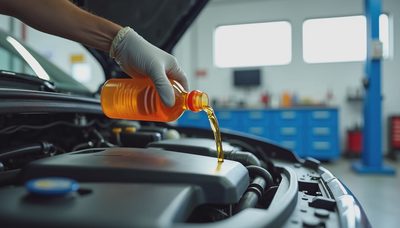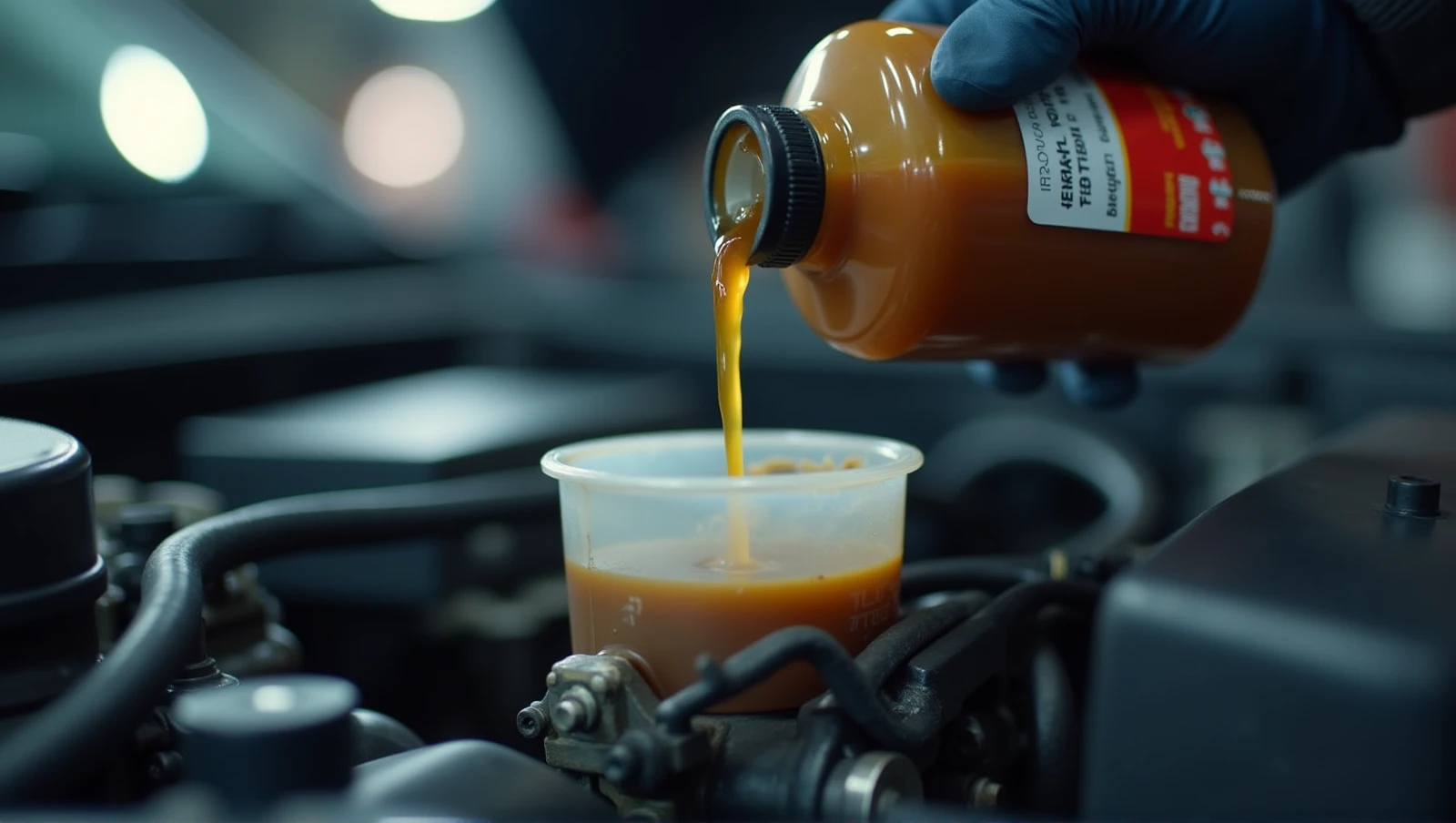
Proper Brake Fluid Maintenance Prevents Costly Repairs and Keeps You Safe on the Road
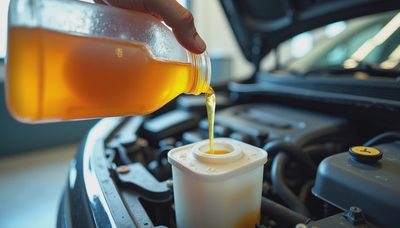
Let's start with the basics and build from there. Your car's braking system is the only thing between you and whatever you're approaching. Without the proper brake fluid in it, your car will not stop. Routine brake maintenance is critical to the safety of you, your passengers, and the other drivers and pedestrians you share the road with. Neglecting this fluid can lead to corrosion inside your brake lines, resulting in a repair bill far higher than the cost of a simple flush.
Why This Matters
Brake fluid is one of the most critical fluids in your car. It serves two main functions: transferring force to stop the vehicle and protecting the internal components from damage. If the fluid fails, the hydraulic pressure required to stop the vehicle diminishes. Furthermore, because brake fluid prevents rust and corrosion, old fluid can allow moisture to eat away at your brake lines and calipers from the inside out. Replacing corroded lines and seized calipers costs significantly more than maintaining the fluid schedule recommended by the manufacturer.
What You Need to Know
Brake fluid is a type of hydraulic fluid used in hydraulic braking systems to transfer force into pressure. To understand what goes in your car, we need to define the types available. Brake fluid comes in a few different forms: DOT 3, DOT 4, DOT 5, and DOT 5.1.
DOT 3, DOT 4, and DOT 5.1 are glycol-based fluids that absorb water. These continue to be the most commonly used in modern vehicles. DOT 5 is a silicone-based fluid that does not absorb water. It is typically used in classic cars and vehicles that need non-petroleum-based brake fluids. Typically, additives are blended into the brake fluid, usually designed to prevent corrosion, rust, or general wear. Some additives act as acid neutralizers or pH balancers.
Pro Tip: The best way to figure out what type of brake fluid you need for your car is by referring to the car's owner manual provided by the manufacturer or the master cylinder reservoir cap. Never guess the type.
How It Works
The relationship between brake fluid, the hydraulic braking system, and vehicle motion is a great real-life example of Pascal's law. This principle states that when a fluid experiences any type of pressure change in an enclosed space, the pressure is transmitted equally in all directions.
[System Diagram Reference: Imagine a closed loop where pressure applied at one end equals pressure at the other.]
When you press your foot on your brake pedal as you approach a red light, a rod forces a piston into the cylinder, creating new pressure throughout the entire hydraulic system. This newly added pressure is distributed throughout the system by forcing brake fluid throughout the brake lines into the caliper pistons. The pistons then apply the force to your brake pads, applying force to the spinning tire rotors and slowing down the entire vehicle.
Most brake fluids are hygroscopic, meaning that they are great at absorbing moisture. This means that not only does it lubricate all the moving parts and components of your car's braking system, but the fluid also soaks up any moisture in your system to prevent corrosion and rust. Water typically enters your system via leaks in your brake lines or broken seals in the master cylinder or caliper.
Quick Quiz: Why do modern braking systems require routine flushes?
A) The fluid evaporates
B) The fluid absorbs moisture over time
C) The fluid turns into gas
*Answer: B. Because the fluid is hygroscopic, it saturates with water, lowering its boiling point and causing corrosion.*
Common Mistakes
Despite what forums say, using the wrong fluid type can destroy your seals. Mixing DOT 5 silicone fluid with glycol-based fluids (DOT 3, 4, 5.1) is a critical error because they are chemically incompatible.
Another mistake is ignoring the service interval. Along with the type of brake fluid, your car's owner manual will indicate how often you need your brake fluid flushed and replaced. In general, brake fluids flushes are recommended every 30,000 miles or two years. At the end of the day, the frequency of your brake fluid changes depends on your driving habits and braking patterns. Things like constant stop-and-go traffic, sudden braking, and increased mileage can all contribute to needing brake fluid service sooner than later.
Finally, do not ignore dashboard warnings. Be on the lookout for these signs you need to have your brake fluid replaced: ABS Light Illuminates. When your ABS dashboard light lights up, you should take this seriously. It indicates a fault in the anti-lock braking system, which often relates to fluid pressure or level issues.
Bottom Line
Your safety depends on the integrity of your hydraulic system. Stick to the general guideline of flushing every 30,000 miles or two years, but verify this with your owner manual. Check your master cylinder reservoir cap for the correct DOT specification. If your ABS light illuminates, seek service immediately. Understanding these fundamentals ensures your vehicle stops reliably when you need it most.