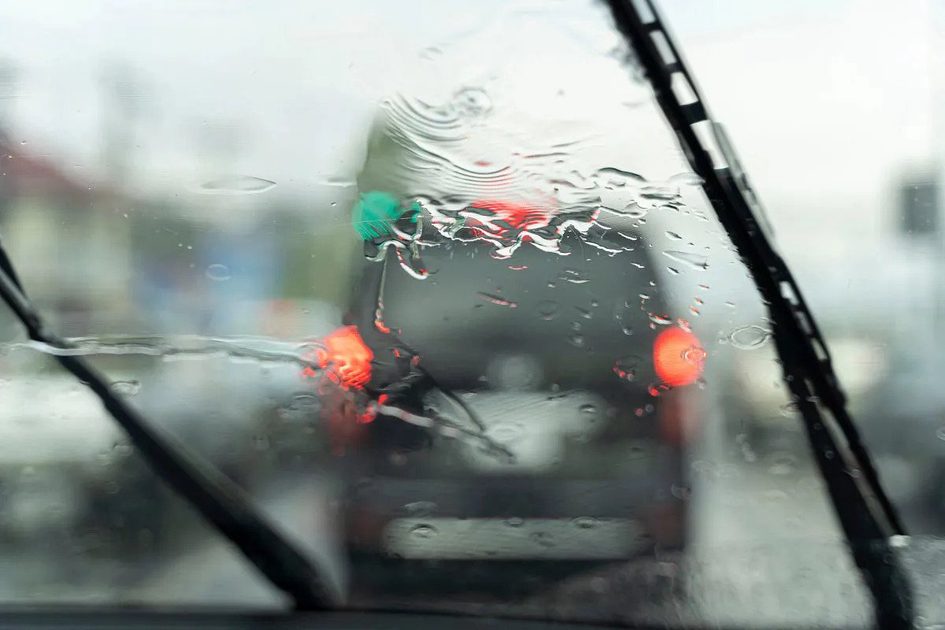
One truth stands out clearly in both scenarios: the weather is never merely a matter of driver comfort. It has a direct bearing on how intensively the fluids inside a vehicle are forced to operate. Engine oil, coolant, brake fluid, transmission oil – each serves a distinct purpose, and each faces serious demands when conditions turn extreme. Heatwaves and heavy rain may appear to be opposite problems, yet both reveal vulnerabilities in fluid performance and in the way vehicles are looked after.
For fleet operators, extreme weather is not an occasional inconvenience but a recurring trial. Delivery vans, buses, and construction equipment must keep performing under punishing circumstances, and fluids are typically among the first systems to show signs of stress. Private drivers may face these situations less often, but when they do, the results can be equally expensive – ranging from breakdowns on holiday routes to accelerated wear that cuts engine life short.
Valvoline invites you to examine how heatwaves and heavy rain affect the primary vehicle fluids, what hazards each condition introduces, and how professionals and everyday drivers alike can get ahead of them. Throughout, we will consider practical maintenance measures and the contribution that high-performance products make to protecting vehicles when the weather turns unpredictable.
It is tempting to regard engine fluids as simple consumables, replaced or topped up whenever the service schedule calls for it. In practice, they are what keeps every moving component of a vehicle in equilibrium. Without the correct lubrication, cooling, cleaning, and protective characteristics, no modern engine or transmission could last for long.
Weather plays a far greater part in this than most drivers appreciate. Heat, cold, humidity, and water exposure alter the chemistry and behaviour of fluids in ways that are subtle yet consequential. An oil that flows correctly at a mild 20 °C may become dangerously thin at 40 °C, or sluggish and ineffective in freezing temperatures. Coolants are engineered to resist both boiling and freezing, but extreme heat speeds up their degradation, while heavy rain and flooding introduce contamination hazards. Even brake fluid – which most drivers give little thought to until something goes wrong – is hygroscopic, meaning it draws moisture from the surrounding air. In extended wet conditions, its boiling point can fall far enough to compromise braking performance.
The link between weather and fluid performance is nothing new to mechanics or fleet managers, but it is growing in significance as climates change. Heatwaves across Europe are lasting longer and arriving more frequently, and sudden heavy rainfall is triggering flash floods even in regions unaccustomed to them. The result is that both private drivers and commercial fleets now encounter fluid stresses that were once considered exceptional but are fast becoming the norm.
Did you know? Research into roadside breakdowns during heatwaves reveals that fluid-related failures – from coolant boil-over to oil degradation – rank among the most frequent reasons vehicles are left stranded. In wet weather, water intrusion into transmissions and differentials is responsible for a surprisingly high proportion of costly repairs.
When temperatures climb sharply, engines and their fluids are subjected to conditions well beyond the assumed average driving scenario. Unlike a sudden mechanical failure, the effects of heat are typically invisible in the early stages. Oil continues to circulate, coolant keeps moving through the radiator, and the gearbox changes gears as normal. Yet beneath the surface, the chemistry of these fluids is being pushed toward its limits.
Engine oil is designed to form a protective film between metal components, cutting friction and drawing heat away. Elevated temperatures compromise both functions. As oil grows hotter, it thins. That protective film weakens, allowing greater metal-to-metal contact and hastening wear.
Oxidation represents another threat to oil under heat. When oil molecules are exposed to oxygen at high temperatures, they break down more rapidly, producing sludge and deposits that restrict flow. For a delivery van operating in tropical conditions throughout the day, the rate of oxidation can be double what it would be under normal spring temperatures. This explains why heat-stressed engines frequently show higher oil consumption and a greater need for top-ups.
Using premium oils with strong resistance to oxidation and viscosity breakdown is essential in these conditions. Valvoline engine oils are formulated with additives that preserve stability under thermal load, helping to safeguard both everyday vehicles and high-mileage fleets through long, hot summers.
Coolant does far more than prevent freezing in winter. During heatwaves, it serves as the primary barrier against overheating. When coolant degrades, its capacity to transfer heat diminishes, and deposits can accumulate inside the radiator and water pump. Even a modest drop in performance can tip the balance in extreme heat.
Pressure is a further concern. Higher ambient temperatures cause coolant systems to run hotter and closer to their pressure limits. Worn hoses, deteriorated seals, or a failing radiator cap can give way, resulting in sudden coolant loss. This is precisely why routine inspections of hoses, clamps, and coolant condition become especially important before and during the hottest months.
Valvoline coolants are engineered to resist breakdown and sustain protective films on metal surfaces. They also deliver corrosion protection, which takes on added importance when systems are operating under the heightened stress of extreme heat.
Automatic transmissions and hydraulic systems are frequently overlooked in conversations about heat, yet they are equally exposed. Transmission oil must handle both lubrication and cooling, but at high temperatures it too can thin and lose strength. Heat also speeds up varnish formation inside gearboxes, resulting in sticking valves and sluggish shifts.
Hydraulic systems fitted to construction or agricultural machinery face similar pressures. Elevated heat alters fluid behaviour, reducing efficiency and causing sluggish responses. In severe cases, cavitation – the generation of air bubbles within the fluid – can develop, causing damage to pumps and actuators.
For fleets working in southern Europe or the Middle East, seasonal fluid adjustments are established practice. Mechanics routinely switch to products with higher temperature tolerances during the summer months to prevent unplanned downtime.
Heat rarely produces sudden or dramatic failures, but it steadily accelerates wear. That is precisely why preparation ahead of summer and attentive monitoring during heatwaves are so important. Choosing fluids engineered to withstand these conditions provides a safety margin that can save both time and money.
While heat gradually erodes fluid strength over time, heavy rain and flooding can compromise fluids within minutes. Modern vehicles are built with seals and protective measures, but they are not impervious to water. Water finds its way through entry points, and once it contaminates fluids, both performance and safety can decline rapidly.
When water enters the lubrication system, it combines with oil to form a milky emulsion. This mixture is far less effective at shielding engine components, and corrosion can take hold almost immediately. Even small quantities of water reduce the oil's load-carrying capacity and raise the risk of bearing or camshaft damage.
Coolant systems are equally at risk. Rainwater seeping in during maintenance or through compromised seals can dilute the antifreeze mixture, reducing both corrosion protection and the coolant's boiling point, leaving engines more vulnerable under demanding driving conditions.
Brake fluid is especially susceptible. Being hygroscopic by nature, it steadily absorbs moisture from the surrounding environment. In prolonged wet conditions, or after water has penetrated through worn seals, its boiling point falls. Under hard braking, this can lead to vapour bubbles forming inside the system, producing a spongy pedal feel or, in the worst cases, brake failure.
The danger increases when vehicles are driven through standing water. Even water levels that remain below the door line can cause problems. As a hot differential or transmission housing cools rapidly on contact with cold water, the resulting vacuum effect can draw water past the seals. Once inside, water undermines lubrication and accelerates wear.
For off-road vehicles, vans, and lorries that must negotiate flooded or muddy roads, the hazard is still greater. Water in differentials and gearboxes often goes undetected until serious damage has already taken place. This makes routine fluid inspections following any drive through waterlogged areas absolutely critical.
Modern vehicles depend extensively on electronics, from engine management to transmission control. In heavy rain, electrical systems and fluids can interact in harmful ways. Water infiltrating connectors may disrupt sensors that track fluid temperature and pressure. Inaccurate readings can prompt incorrect adjustments by the engine or gearbox control units, placing additional stress on both fluids and mechanical components.
Heavy rain rarely affords drivers time to prepare, yet it always leaves evidence behind. By understanding how water infiltrates vehicle systems and recognising the warning signs, both fleet operators and private drivers can limit the risk of lasting damage.
The most straightforward and effective way to prevent weather-related fluid failures is through proactive maintenance. Heatwaves and heavy rain may arrive with little notice, but vehicles that are inspected and serviced on a consistent basis are far less likely to suffer sudden breakdowns.
For fleet operators, planning maintenance around the seasons is essential. Rather than waiting for issues to emerge, workshops can schedule additional checks at the start of summer and autumn. This could encompass oil analysis to catch oxidation before it becomes critical, coolant pressure testing to verify system integrity, and transmission fluid checks to confirm that viscosity and colour remain within healthy parameters. Taking preventive action not only extends vehicle service life but also reduces downtime – a decisive advantage when delivery schedules or construction projects cannot tolerate delays.
For private drivers, consistent small habits make a meaningful difference. Checking oil and coolant levels before a long summer drive, monitoring brake fluid condition at regular intervals, and noting any changes in gearbox smoothness after travelling through waterlogged roads all serve as early warnings worth heeding.
Extreme weather reveals the limitations of ordinary fluids. When engines run hotter for extended periods, or when rainwater finds its way into sensitive systems, only products built for resilience continue to deliver their protective qualities.
Engine oils with advanced oxidation resistance help prevent sludge formation and excessive thinning during heatwaves, keeping engines cleaner and reducing wear. Coolants carry a hidden burden of their own. Valvoline coolants are formulated to withstand both boiling and corrosion, providing stable protection when cooling systems are under pressure in hot weather or when diluted by unexpected water exposure. Transmission and hydraulic fluids benefit from shear-stable additives that maintain viscosity even under heavy loads – a factor of particular importance for fleets whose vehicles work long hours in summer heat or through flooded conditions.
Driving, especially as a profession, is a demanding occupation that becomes still more demanding when scorching temperatures or torrential downpours enter the equation. It is reassuring, therefore, to know that your vehicle is equipped to offer at least some measure of comfort and safety. With the right preparation and products in place, the road ahead holds far fewer unwelcome surprises.
No letters yet — be the first to write.