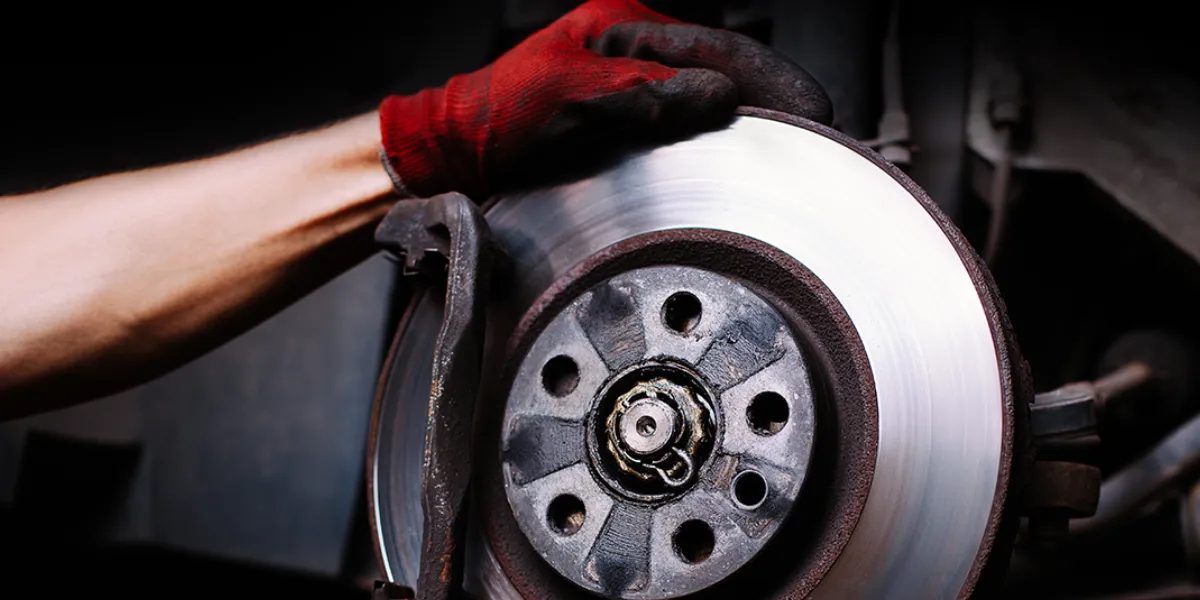
The braking system ranks among the most essential components found in any vehicle. Its function is fundamental to protecting both drivers and passengers at all times.
Multiple components work in coordination within a brake system to bring the vehicle to a halt when the pedal is depressed — which is precisely why the system demands consistent upkeep. Despite this, a surprising number of drivers overlook the role that brake oil plays in keeping the system performing at its best.
To better understand this subject, let's examine the different categories of braking systems along with the various types of brake oil available.
A vehicle's braking system is central to the safety of everyone inside it. By enabling the driver to regulate speed and achieve a controlled stop whenever needed, it serves as the primary defense against accidents and collisions.
The braking system operates by converting kinetic energy from the moving vehicle into thermal energy. Among its key components are brake pads, brake rotors, calipers, and brake fluid.
Pressing the brake pedal causes the brake pads to press against the brake rotors, generating friction that decelerates the wheels. The calipers hold the brake pads in place and deliver the force required to stop the vehicle. Meanwhile, brake fluid transmits the pressure from the driver's foot on the pedal directly to the calipers.
Braking systems come in several distinct forms — disc brakes, drum brakes, and anti-lock braking systems (ABS) — each with its own design characteristics, intended purpose, and performance advantages.
Disc brakes are commonly fitted to a vehicle's front wheels. Their construction includes a brake rotor, a caliper, and brake pads. During braking, the caliper squeezes against the rotor so that the brake pads make contact with its surface, producing the friction needed to slow the wheels. Disc brakes are recognized for their outstanding stopping power and durability.
Drum brakes are installed on the rear wheels and consist of a brake drum, brake shoes, and wheel cylinders. Applying the brakes causes the wheel cylinders to press the brake shoes outward against the drum, creating friction that slows the wheels. This design is straightforward, economical, and offers effective heat dissipation.
Anti-lock braking systems (ABS) are engineered to prevent wheel lockup during aggressive braking, enabling the driver to retain steering control throughout.
An ABS setup incorporates sensors, a controller, and a hydraulic pump. When the brakes are applied, the sensors monitor wheel speed and relay data to the controller, which then adjusts brake pressure as needed to stop the wheels from locking. This technology proves especially valuable in emergency braking scenarios.
Brake fluid is a non-compressible hydraulic fluid, meaning it conveys force from the pedal to the calipers without any pressure loss along the way. It is also capable of enduring the elevated temperatures produced during hard braking, which prevents brake fade and ensures consistent stopping performance.
Beyond its hydraulic function, brake fluid lubricates the moving components within the brake system, minimizing wear and resisting corrosion. It also contributes to the integrity of the seals and hoses throughout the braking system, helping to prevent fluid leaks.
Brake fluids are available in several formulations — DOT3, DOT4, DOT5, and DOT5.1 — and choosing the correct one depends on factors including the OEM's specifications, local climate, and the demands of typical driving conditions.
Selecting an incompatible brake fluid can inflict damage on the braking system, degrade performance, and create safety risks. Keeping up with routine brake fluid maintenance is equally important for sustaining both performance and safety.
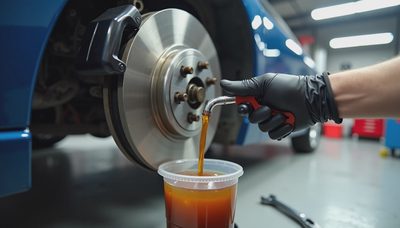
As a general guideline, brake fluid should be replaced every 2–3 years, or in accordance with the vehicle manufacturer's recommendations, in order to prevent contamination and preserve the fluid's functional properties.
The following is an overview of the primary brake fluid types.
Formulated from glycol, DOT3 is found in the majority of passenger vehicles. With a boiling point of approximately 205°C, it is valued for being both affordable and effective under typical driving conditions.
This glycol-based fluid features a higher boiling point of 230°C, making it well-suited for high-performance vehicles, racing cars, and heavy-duty applications. It is an ideal option for any vehicle demanding enhanced braking performance and greater heat resistance.
DOT5.1 is another glycol-based formulation, distinguished by having the highest boiling point among all DOT fluids at approximately 265°C. Like DOT4, it is designed for high-performance vehicles, racing cars, and heavy-duty vehicles that operate under extreme thermal conditions.
DOT5 differs from the others in that it is silicone-based, making it incompatible with glycol-based brake fluids. It is generally reserved for vintage cars and motorcycles equipped with non-ABS braking systems. Featuring a boiling point of around 260°C, DOT5 is noted for its exceptional resistance to moisture absorption and corrosion.
Brake fluid replacement every 2–3 years — or per the vehicle manufacturer's guidance — is necessary to guard against contamination and preserve the fluid's performance characteristics.
Keeping your braking system supplied with the correct oil is vital for both performance and safety. The following tips outline how to approach brake system maintenance effectively.
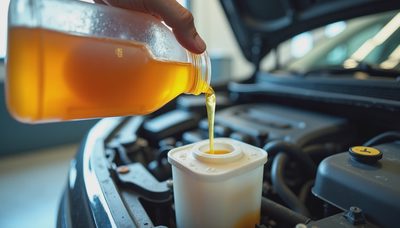
Regular checks of the brake fluid level are important; top it up whenever necessary to keep the braking system functioning properly. A low fluid level can result in diminished braking performance and pose a safety hazard.
Always use the brake fluid type specified by the OEM. Introducing an incompatible fluid can harm the braking system, impair performance, and undermine safety.
As noted earlier, replacing brake fluid every 2–3 years — or as directed by the vehicle manufacturer — helps prevent contamination and preserves the fluid's effectiveness. Over time, brake fluid can absorb moisture and accumulate debris, both of which reduce its performance and compromise safety.
Inspecting the braking system for leaks on a regular basis is essential. A leak can lower the brake fluid level and impair braking performance. Any leaks that are discovered should be repaired without delay by a qualified technician.
Combining brake fluid types that are not mutually compatible can damage the braking system, diminish performance, and create safety concerns. When in doubt about which fluid is in your vehicle, consult the owner's manual or speak with a qualified technician.
Problems with the brake system can present themselves in various ways. The following are common warning signs to watch for.
A spongy or soft brake pedal that demands more pressure than usual to engage may signal the presence of air or moisture in the brake lines, or indicate that the brake fluid has become contaminated.
A grinding or squealing sound during braking often means the brake pads have worn down and require replacement. Should the noise continue after new pads are installed, additional components within the braking system may need attention.
Vibration or pulsation felt through the brake pedal or steering wheel when braking typically points to brake rotors that have warped or sustained damage.
Illumination of the brake warning light on the dashboard can indicate a range of issues — including a low brake fluid level, worn brake pads, or a failure within one of the braking system's components.
Addressing brake system issues without delay is critical to maintaining safety and performance. Steps such as checking fluid levels, replacing worn brake pads, inspecting the rotors, and scheduling a professional inspection can all help resolve these problems effectively.
The following steps outline how to respond to specific brake system problems.
If the brake pedal feels spongy or soft, check the brake fluid level and add fluid if it is low. A consistently low level may point to a leak somewhere in the system, which should be diagnosed and repaired by a qualified technician.
Worn brake pads should be replaced as soon as possible. Postponing replacement risks causing further damage to other braking system components.
Vibrations or pulsations felt during braking warrant an inspection of the brake rotors. Rotors found to be damaged will need to be resurfaced or replaced.
If the brake warning light activates, or if the source of any brake system issue is unclear, a qualified technician should inspect the system. They can accurately diagnose the problem and advise on the correct course of action.
Aggressive braking places excessive stress on the system, accelerating wear on brake pads, rotors, and other parts. Gradual, progressive braking is far preferable to sudden hard stops.
Carrying unnecessary weight places added strain on the braking system and can accelerate wear on pads, rotors, and other components. Removing excess cargo helps lighten the load on the system.
Overheating caused by excessive braking can degrade performance, cause system damage, and pose a safety risk. Avoid heavy and repeated braking on extended downhill grades or when hauling heavy loads.
Using the brake fluid type specified by the vehicle manufacturer is fundamental to preserving both the performance and longevity of the braking system.
Worn brake pads and damaged rotors can significantly compromise the effectiveness of the braking system and reduce safety margins. Replacing these components when needed is essential for sustaining reliable braking performance.
Routine inspections conducted by a qualified technician help catch potential problems before they escalate. Staying ahead of maintenance also lengthens the service life of the braking system and supports consistent, safe performance.
For more than 150 years, our commitment has been to delivering innovative lubricants across a wide range of applications. We continuously refine our specialty fluids to help you keep your vehicle or equipment operating at peak performance for the long term.
Our brake fluid range delivers superior lubrication and outstanding protection against wear, even under the harshest operating conditions. These fluids also offer excellent cleaning action that inhibits deposit formation, contributing to better engine performance and reduced maintenance downtime.
Every product in our lineup is safe for use and is not classified as a hazardous mixture. We adhere to established safety standards to protect both your well-being and your satisfaction. For full details on our specialty fluid offerings, consult our product information sheets and safety data sheets.
Explore the following brake fluid options from our product range:
The braking system is a foundational element of any vehicle's safety infrastructure, which is why a solid understanding of the various system types and the fluids they require is so important. Regular brake oil changes and periodic inspections by a professional technician are essential to keeping the system performing reliably and avoiding potential hazards.
Applying the guidance covered throughout this article will help you prolong the life of your braking system and ensure the highest level of safety for yourself and your passengers on every journey. Always make safety the top priority, and do not hesitate to consult a professional whenever you have concerns about your vehicle's braking system.
No letters yet — be the first to write.