A coolant mistake can turn a simple maintenance job into a $1,000-plus cooling-system repair. Prestone coolant is sold in several formulas, so the right bottle depends on your vehicle's requirements, the existing fluid, and whether you are topping off or performing a complete refill. Let's start with the basics and build from there. When you understand what coolant does, the label becomes much easier to read.
What engine coolant actually does
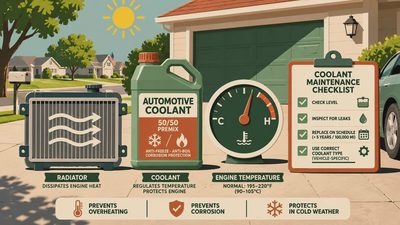
Engine coolant, also called antifreeze when it is concentrated, carries heat away from the engine and releases that heat through the radiator. It also lowers the freezing point, raises the boiling point, and protects metal passages from corrosion. A water pump circulates the mixture through the engine, radiator, heater core, and hoses.
The fluid is not simply colored water. Most products contain water, glycol, and additives. Glycol provides freeze and boil protection, while the additive package helps protect aluminum, steel, copper, rubber, and plastic components. Over time, those additives become depleted. That is why a vehicle can have a full reservoir and still need a coolant service.
Prestone coolant is commonly available as concentrate or as a premixed 50/50 product. Concentrate must be mixed with the correct amount of distilled or deionized water. Premix is ready to pour and is convenient for emergency top-offs or routine service. Never add concentrate by itself unless the product instructions and vehicle service procedure specifically call for it.
System Diagram reference: follow the cooling path
For a visual check, picture this path: radiator to lower hose, water pump, engine passages, thermostat, upper hose, and radiator. The heater core branches from the engine circuit and uses hot coolant to warm the cabin. A low level anywhere in that loop can cause poor heater performance, overheating, or air pockets after service.

Choosing the correct Prestone coolant
The most important label is not the color. Coolant color is not a reliable compatibility test because different chemical formulas can share a color, and the same formula can appear in different colors. Look for the vehicle application, specification, and chemistry listed on the bottle or in the owner's manual.
Common chemistry terms include IAT, OAT, and HOAT. IAT, or inorganic additive technology, is an older formula often associated with conventional green coolant. OAT, or organic acid technology, uses organic corrosion inhibitors and is common in many newer vehicles. HOAT, or hybrid organic acid technology, combines additive approaches. These categories are useful, but the vehicle maker's specification is the final authority.
Some Prestone coolant products are marketed as all-vehicle or universal formulas, while others target particular applications. That does not mean every bottle is the best choice for every car. If the manual specifies a particular coolant standard, select a product that clearly meets it. For a 2018 Honda Civic, a 2015 Ford F-150, and a 2021 Subaru Outback, the recommended chemistry may differ even though all three use liquid-cooled gasoline engines.
If you do not know what is already in the system, avoid casually mixing formulas. A complete drain and flush is the cleanest reset. In an emergency, adding the correct 50/50 mixture to prevent an immediate low-coolant condition is safer than driving with an empty reservoir, but schedule a proper inspection afterward.
How to refill coolant safely
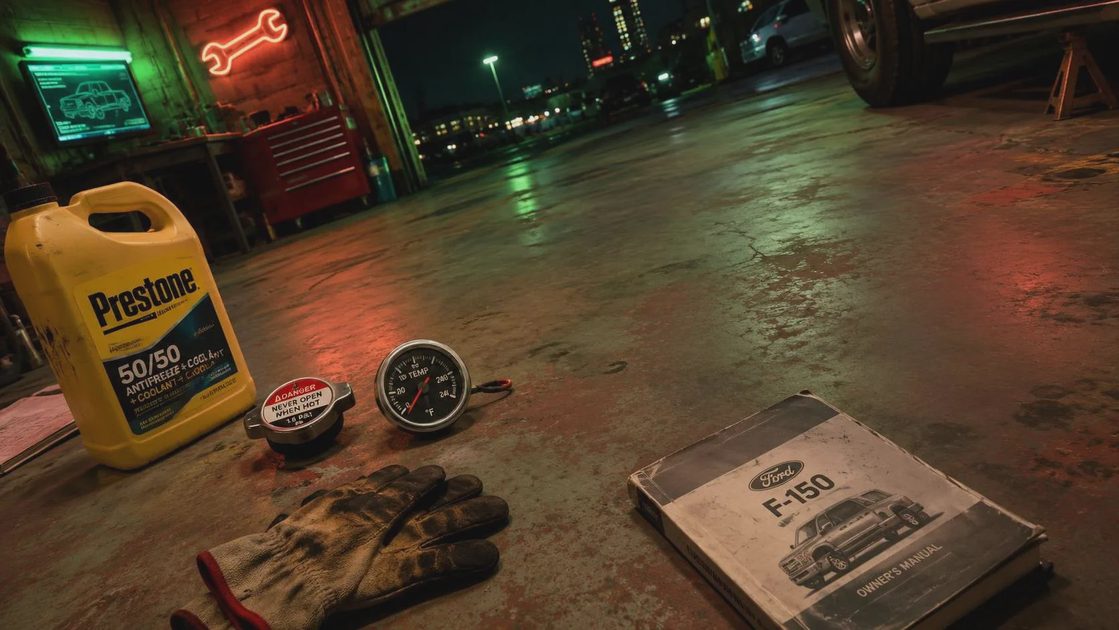
Work only on a completely cool engine. Removing a radiator cap while the system is hot can release pressurized fluid and cause severe burns. Park on level ground, set the parking brake, and locate both the pressurized radiator cap and the overflow reservoir. Some modern vehicles have only a pressurized expansion tank, so identify the correct component before opening anything.
Check the owner's manual for the fill point and level marks. If you are topping off, compare the cold level with the “FULL COLD” line. Add the correct Prestone coolant slowly. If using concentrate, mix it before pouring unless the service instructions specify another method. A common target is a 50/50 coolant-to-water ratio, but the bottle directions and vehicle requirements control.
For a full refill, drain the old fluid into a suitable pan, close the drain, refill gradually, and bleed trapped air according to the vehicle procedure. Some cars use a bleed screw; others require a specific warm-up cycle. Watch the temperature gauge, heater output, and reservoir level. Let the engine cool completely before making a final level adjustment. Store used coolant securely because its sweet taste attracts pets and it is poisonous when swallowed.
Mistakes that create expensive problems
The first mistake is treating the overflow bottle as a permanent repair. A falling level indicates a leak, trapped air, or another cooling-system problem. Inspect the radiator, hoses, water pump area, thermostat housing, and cabin for dampness or a sweet odor. A pressure test can reveal a small leak that is invisible when the engine is cold.
The second mistake is using tap water in a long-term mixture. Minerals can contribute to deposits and reduce cooling-system performance. Distilled water is a better choice when mixing concentrate. The third mistake is adding stop-leak products without diagnosis. They can temporarily reduce a leak, but they can also restrict small passages in the radiator or heater core.
Do not rely on color alone, and do not assume a product labeled universal eliminates every compatibility question. Keep the receipt, record the date and mileage, and write the exact formula in your maintenance log. Those details help a repair shop avoid mixing an unknown fluid with the replacement coolant.
When to replace or inspect the system
Service intervals depend on the vehicle, coolant chemistry, operating conditions, and prior maintenance. Use the factory schedule rather than a generic mileage promise. If the coolant looks oily, rusty, sludgy, or unusually cloudy, stop and investigate. Oil contamination can point to a failed gasket or cooler, while rust-colored fluid can indicate corrosion or neglected maintenance.
Warning signs include an overheating gauge, a coolant warning message, steam, a heater that suddenly blows cold air, or repeated reservoir loss. Stop driving if the temperature rises into the hot zone. Continuing for even a short distance can warp an aluminum cylinder head or damage the head gasket. A tow is usually cheaper than an engine repair.
Prestone coolant can be a sensible choice when its specification matches the vehicle and the mixture is prepared correctly. The brand name matters less than compatibility, concentration, cleanliness, and finding the cause of any fluid loss.
Quick Quiz: check your understanding
Why should color not be used as the only coolant compatibility test? Because color does not reliably identify the chemical formula or the automaker's required specification. What does 50/50 mean? It normally means equal parts coolant concentrate and suitable water, not equal parts premixed coolant and water. When is it safe to open the radiator cap? Only after the engine and cooling system have cooled fully.
If you remember one concept from this post, make it this one: the correct Prestone coolant is the product that meets your vehicle's required specification, not merely the bottle with the familiar color. Check the manual, use the correct mixture, eliminate air, and investigate every unexplained drop in level.

No letters yet — be the first to write.