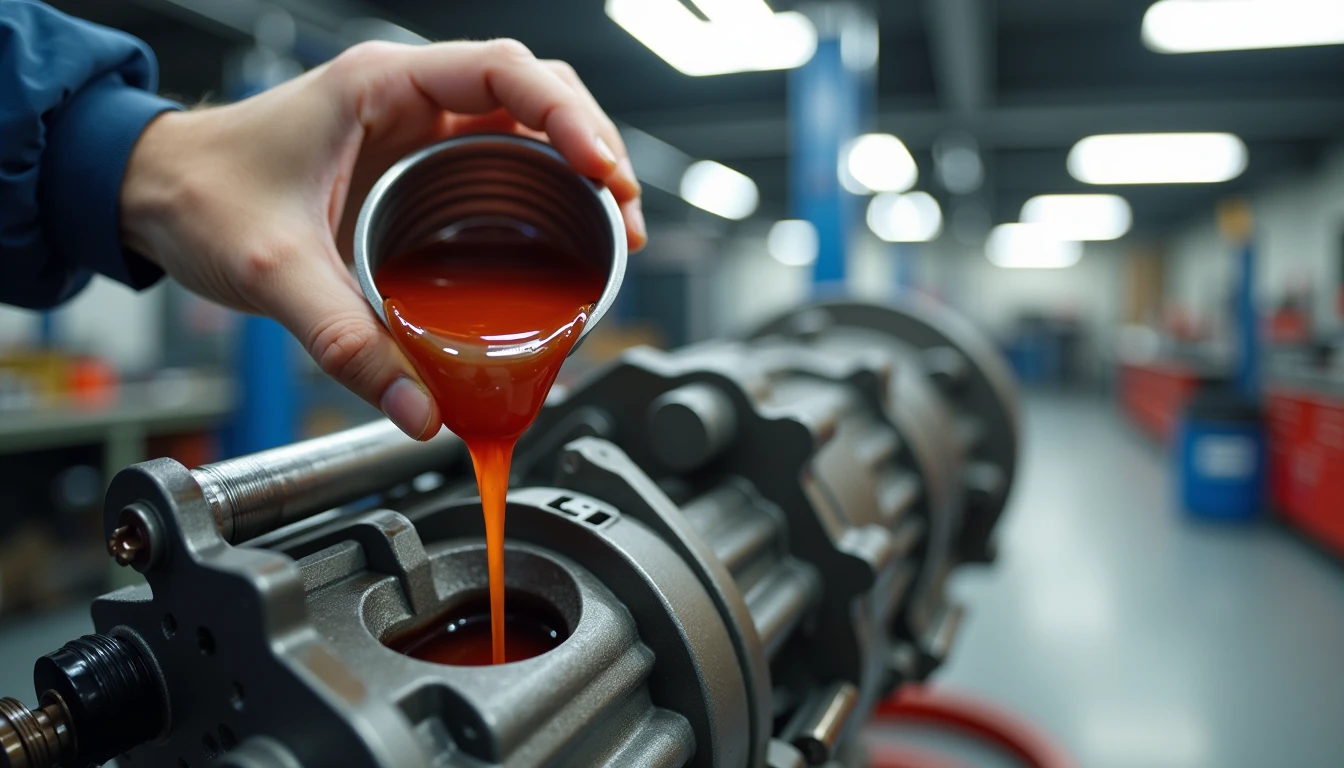
Change Transfer Case Fluid Every 30K Miles to Prevent Costly Drivetrain Failure
Why This Matters
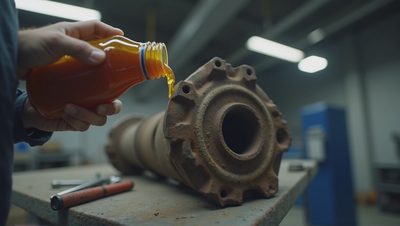
Let’s start with the basics and build from there. If you drive a four-wheel drive (4WD) or all-wheel drive (AWD) vehicle, neglecting your transfer case fluid can lead to a complete drivetrain failure. The transfer case is the central distribution hub that splits engine power between the front and rear axles. When its internal lubricant breaks down, metal components grind together, generating excessive heat that can melt seals and destroy gears. Replacing a failed transfer case often costs thousands of dollars and leaves you stranded. Following a strict maintenance schedule protects your wallet and ensures your vehicle maintains traction when you need it most.
What You Need to Know
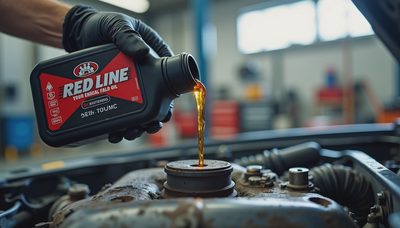
Before we touch a wrench, we need to establish the correct specifications. Transfer case fluid is the dedicated lubricant designed specifically for the internal components of a transfer case. It comes in two primary base formulations: conventional (refined directly from crude oil) and synthetic (chemically engineered in a laboratory for superior thermal stability).
Replacement intervals are critical. Most experts recommend changing the transfer case fluid every 20,000 to 30,000 miles. If you regularly tow heavy loads, you must replace the fluid more frequently, usually around 20,000 miles, due to increased thermal stress.
Fluid selection requires precision. Most modern multi-axle vehicles use a specially formulated transfer case fluid. Older vehicles typically use a thicker gear oil (also called transfer case oil to prevent confusion with standard fluid). According to industry data, most transfer cases are filled with an automatic transmission fluid (ATF), which is usually red. Others require a thicker gear oil, while some demand a specialized fluid made exclusively for that particular unit. Always verify your manufacturer’s specification before purchasing.
> System Diagram: Visualize the transfer case as a power-splitting junction. Engine torque enters through the input shaft, passes through a chain and sprockets, engages a planetary gearset (a compact arrangement of sun, planet, and ring gears that allows variable speed distribution), and exits through the front and rear output shafts. An integral oil pump circulates fluid throughout this assembly.
How It Works
The transfer case contains interacting components that produce considerable heat and friction during operation. The fluid performs three synchronized functions: lubrication, cooling, and protection.
First, the fluid coats internal bearings, chains, and gears in a protective film. This layer prevents direct metal-on-metal contact, which drastically reduces wear and tear. Second, the fluid regulates operating temperature. As components rotate, friction generates heat. The fluid absorbs this thermal energy and carries it away from critical surfaces, effectively acting as a coolant. Third, the fluid maintains proper viscosity (the measure of a fluid’s resistance to flow at a given temperature). Maintaining correct viscosity ensures the integral oil pump can circulate lubricant efficiently, even under heavy load.
> Pro Tip: Warm the engine and drivetrain for five minutes before draining. Cold fluid becomes highly viscous and will not drain completely, leaving degraded lubricant and suspended metal particles trapped inside the housing.
> Quick Quiz: What is the standard replacement interval for transfer case fluid under normal driving conditions?
> *Answer: Every 20,000 to 30,000 miles.*
Common Mistakes
Even experienced DIYers make predictable errors when servicing this system. The most frequent mistake is assuming transfer case fluid and transmission fluid are interchangeable because they serve similar lubrication purposes. They are not. While some units happen to use ATF, the additive packages and friction modifiers differ. Using the wrong fluid can cause clutch pack slippage or gear damage. You can often differentiate between the two by checking the fluid color, but color alone is not a reliable verification method. Always match the exact specification.
Another common pitfall is ignoring severe-duty cycles. Many owners stick to the 30,000-mile interval regardless of usage. If you tow heavy loads, the increased friction and heat accelerate fluid breakdown. Sticking to the standard interval under these conditions guarantees premature component wear. Finally, never skip the drain and refill procedure hoping a simple top-off will solve degradation issues. Old fluid loses its protective additives over time, and mixing fresh lubricant with degraded fluid does not restore proper viscosity or cooling capacity.
Bottom Line
Understanding your transfer case starts with respecting its lubrication requirements. The system relies on a precise balance of fluid type, viscosity, and replacement timing to manage heat and prevent metal fatigue. Stick to the 20,000 to 30,000-mile replacement schedule, adjust to 20,000 miles if you tow heavy loads, and always verify whether your unit requires specialized fluid, ATF, or gear oil. Treat this maintenance step as non-negotiable, and your drivetrain will deliver reliable power distribution for the life of the vehicle.