Tires are the only parts of your car touching the road, so choosing among the best tire brands 2026 is a safety and wallet decision, not just a shopping exercise. A good tire can shorten wet stopping distances, reduce road noise, and deliver predictable handling. A poor match can make a well-maintained vehicle feel unstable. Let's start with the basics and build from there.
A tire has several important jobs. Its tread channels move water away from the contact patch, which is the small area of rubber touching pavement. The sidewall supports the vehicle and affects ride comfort, while the rubber compound controls grip across different temperatures. Brand reputation matters, but the correct tire size, category, and load rating matter just as much.
How to compare tire brands
When I teach tire selection in a weekend workshop, I begin with the vehicle placard rather than a brand name. You will usually find it inside the driver's doorjamb. It lists the original tire size and recommended cold inflation pressure. The owner's manual can also identify acceptable sizes and load requirements.
The best tire brands 2026 are not identical in purpose. Michelin is widely known for refined touring tires, strong wet-weather performance, and broad product coverage. Bridgestone offers extensive passenger, SUV, truck, and performance choices, including the popular WeatherPeak all-weather line. Continental is often a strong option for drivers who value wet grip, braking, and quiet highway behavior.
Goodyear has a large U.S. dealer network and products for commuters, SUVs, and pickups. Pirelli is especially visible in performance and premium SUV applications. Yokohama and Falken often appeal to drivers who want responsive handling without automatically moving to the highest price tier. Cooper, now part of Goodyear, provides additional value-focused options for cars and light trucks.
Price should be compared over the tire's useful life, not only at checkout. A $900 set that lasts 60,000 miles costs about 1.5 cents per mile before installation. A $650 set that lasts 35,000 miles costs about 1.9 cents per mile. Those are simple estimates, but they show why tread warranty, alignment, rotation, and ride quality belong in the same conversation.
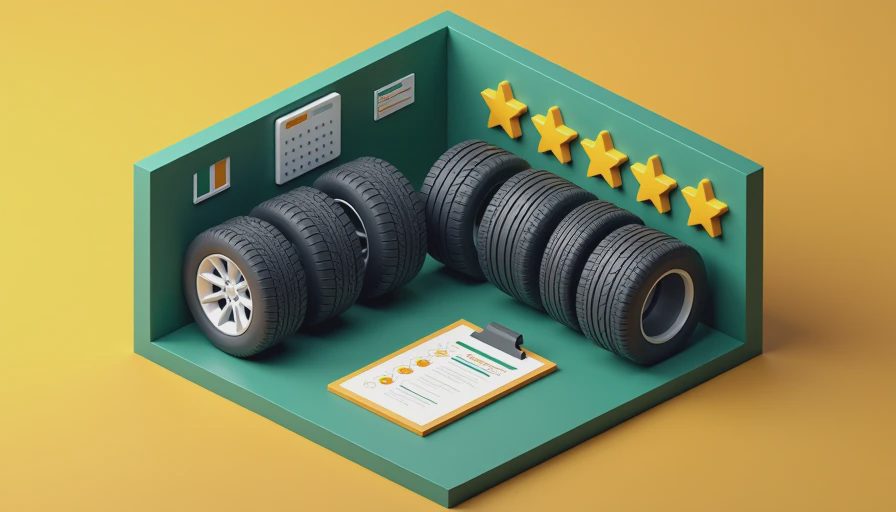
Quick Quiz: Which matters first: a famous logo or the size printed on your vehicle placard? The correct answer is the placard. A premium tire in the wrong size is still the wrong tire.
Best tire brands 2026 by driving condition
For a typical sedan commuting through rain, heat, and occasional cold weather, start with grand-touring or all-season tires. These designs balance tread life, comfort, and year-round usability. Michelin Defender2, Continental TrueContact Tour, Bridgestone Turanza, and Goodyear Assurance products are examples worth comparing in the correct vehicle size. The best tire brands 2026 depend on whether your priority is quiet cruising, long mileage, or confident wet braking.
For heavy rain, examine the tread pattern and independent wet-braking tests rather than assuming every all-season tire performs the same. A tire with wide circumferential grooves can help evacuate water, but tread design is only one factor. Correct inflation and adequate tread depth remain essential. Hydroplaning becomes more likely as water depth rises and tread wears down.
For snow and sustained freezing temperatures, dedicated winter tires are a different category. Their rubber compounds remain more flexible in cold weather, and their tread includes features designed for snow traction. All-weather tires with a three-peak mountain snowflake symbol can be a useful compromise for moderate winter conditions, but they are not automatically equal to a dedicated winter set in severe snow.
For a pickup or crossover, identify the vehicle's load needs before choosing an aggressive-looking tire. Highway tires usually ride more quietly and efficiently than rugged all-terrain models. All-terrain tires can improve traction on gravel and dirt, but their deeper tread may increase noise and rolling resistance. The best tire brands 2026 include strong choices in both categories; the correct answer follows your actual roads.
Tire construction and the numbers on the sidewall
Read a sidewall marking such as P225/65R17 102H from left to right. The P indicates a passenger-car tire. The numbers 225 describe tread width in millimeters. The 65 is the aspect ratio, meaning sidewall height is 65 percent of the width. The R identifies radial construction, and 17 is the wheel diameter in inches.
The 102 is the load index, a coded maximum load capacity. H is the speed rating, another code describing the tire's tested speed capability under specified conditions. Never reduce the load rating simply to save money. A replacement tire should meet or exceed the vehicle manufacturer's requirements unless a qualified professional confirms another fitment.
System Diagram reference: Picture the tire as three connected systems. The tread manages contact and water, the sidewall carries and cushions the load, and the inner belts stabilize the footprint. Changing one part can change steering feel, braking behavior, and comfort. That is why a tire that fits the wheel physically may still be a poor engineering match.
Check the date code as well. The final four digits of the Department of Transportation identification show the week and year of manufacture. For example, 1426 indicates the 14th week of 2026. Newer is generally preferable, especially when buying from inventory that may have sat for an extended period.
How to buy without overpaying
Get prices for four matching tires, installation, balancing, valve stems, disposal, and taxes. A quote that appears $80 lower can lose its advantage after those fees are added. Ask whether the shop includes free rotations, road-hazard coverage, or alignment checks. These services can influence the real ownership cost by $50 to $150 over several years.
An alignment is not automatically required with every tire purchase, but it is sensible when the steering wheel is off-center, the vehicle pulls, or the old tires show uneven wear. Feathering, cupping, and wear on one edge are clues that suspension or alignment work may be needed. Installing new rubber without correcting the cause can waste a costly set.
Use the best tire brands 2026 as a shortlist, then compare specific models. A Michelin touring tire, Falken all-terrain tire, and Pirelli performance tire are designed for different jobs. Even within one brand, model names matter more than the logo alone. Read the warranty, verify the size, and compare independent test results when available.
A simple tire-buying lesson plan
Start by recording the size, load index, speed rating, and vehicle mileage. Next, describe your driving: mostly city streets, interstate travel, mountain roads, unpaved routes, or winter commuting. Then choose the category before choosing the brand. This prevents a common mistake: buying an inexpensive performance tire for a family sedan and wondering why it is noisy and worn after 25,000 miles.
After installation, set the pressure when the tires are cold and check it monthly. Rotate them according to the vehicle and tire manufacturer's guidance. Inspect for nails, bulges, cracks, and uneven wear. If vibration begins after installation, return promptly for a balance and fitment check. A tire pressure monitoring system is helpful, but it does not replace a visual inspection.
If you remember one concept from this post, make it this one: the best tire brands 2026 cannot compensate for incorrect fitment or neglected maintenance. Select a suitable tire category, buy the correct specification, and protect the investment with pressure checks and rotations. That process usually produces a safer, quieter, and better-value result than chasing a brand name alone.
Quick Quiz: What should you compare after confirming fitment? Consider wet-weather performance, expected mileage, noise, warranty, installation cost, and your real driving conditions. If you can explain why each factor matters, you are ready to request quotes. Compare reputable retailers and local installers, then choose the tire that matches your vehicle rather than simply choosing the most expensive option.



No letters yet — be the first to write.