A dead battery can turn an ordinary morning into a tow-truck problem, but the car battery replacement cost is often easier to understand than a repair estimate makes it sound. Let's start with the basics and build from there. A battery stores electrical energy, sends current to the starter motor, and supports the vehicle's computers and lights before the engine is running. When its internal chemistry can no longer hold enough charge, replacing it is usually the correct fix. The challenge is separating a worn-out battery from a charging problem, then matching the replacement to your vehicle.
What a car battery does and why it fails
A typical 12-volt automotive battery contains lead plates immersed in an electrolyte, a liquid mixture that allows chemical reactions to produce electricity. The battery provides a large burst of current for starting, then the alternator takes over after the engine runs. The alternator is the belt-driven component that replenishes the battery and powers electrical accessories.
Most conventional batteries last about three to five years, although extreme heat, deep discharge, short trips, vibration, and loose connections can shorten that span. Atlanta heat, for example, is hard on battery chemistry; cold weather then exposes the weakness by requiring more starting power. A swollen case, leaking fluid, cracked housing, or rotten-egg odor means the battery should be inspected promptly. Do not handle a damaged battery casually, because its electrolyte is corrosive.
When I teach this topic, I draw a simple system diagram: battery to starter for cranking, alternator to battery for charging, and electrical loads connected across both. That diagram prevents a common mistake: assuming every no-start condition requires a battery. A failed alternator can leave a new battery discharged, while corroded cable terminals can block current even when the battery itself is healthy.
Typical car battery replacement cost
For many gasoline-powered cars, the car battery replacement cost falls between $120 and $300 installed. The battery itself commonly costs about $80 to $220, while installation can add $20 to $100. Economy flooded lead-acid batteries usually sit near the lower end. Premium versions with longer warranties, stronger cold-cranking ratings, or advanced construction cost more.
Some vehicles need an AGM battery. AGM means absorbed glass mat, a design that holds electrolyte in fiberglass separators and handles repeated electrical demand better than a conventional flooded battery. Start-stop vehicles, luxury models, vehicles with many accessories, and some trucks use AGM units. An AGM replacement can cost roughly $180 to $400 installed.
Location and service method also affect the bill. A parts retailer might install a battery at little or no labor charge when the vehicle is accessible, while a repair shop may charge a diagnostic or installation fee. Mobile battery services add convenience and travel cost. Brands such as Interstate, DieHard, Duralast, and EverStart offer several product tiers, so compare warranty length, group size, and starting rating rather than choosing by brand alone.
How to confirm the battery is the problem
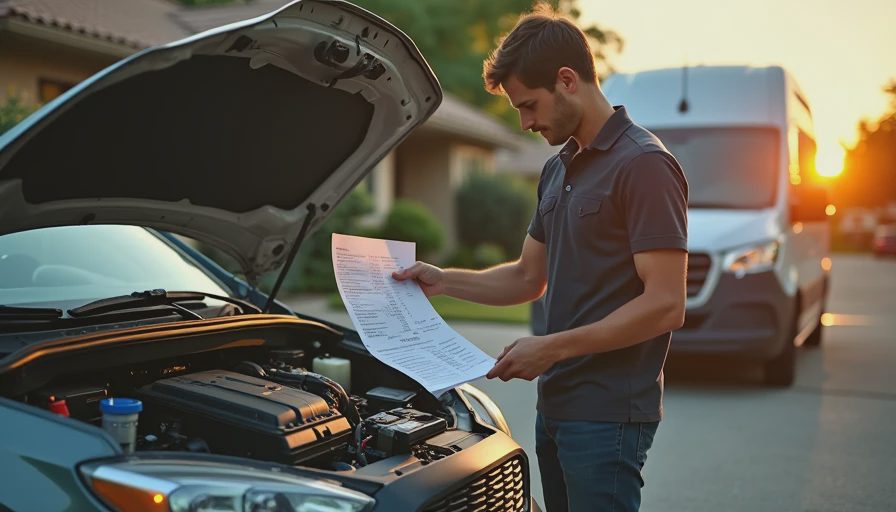
Before approving the car battery replacement cost, ask for three tests: resting voltage, a load test, and charging-system voltage. Resting voltage is measured with the engine off after the vehicle has sat. A healthy, fully charged battery often reads close to 12.6 volts. Around 12.2 volts indicates partial discharge, not automatic failure. A load test briefly places an electrical demand on the battery to see whether voltage collapses under starting-like conditions.
With the engine running, charging voltage is commonly around 13.5 to 14.8 volts, though vehicle designs differ. A reading that stays near battery voltage can suggest an alternator, wiring, or belt issue. Warning lights, dimming headlights, slow window motors, or repeated stalling strengthen that suspicion. Ask whether the technician tested the charging system after starting the car, not just measured the battery on a bench.
You can also inspect the terminals. Corrosion appears as a white, blue, or green crust around the posts and clamps. A technician can clean the connection and verify that the cables are tight. If cleaning restores reliable starting, that service may cost far less than a new battery. However, if the battery fails a proper load test and is several years old, replacement is usually more sensible than repeated charging.
Choosing the correct replacement
The right battery is not simply the one that fits in the tray. Your vehicle requires a specific group size, terminal arrangement, reserve capacity, and minimum cold-cranking amps. Cold-cranking amps describe how much starting current the battery can provide at low temperature. Installing a battery with the wrong group size can leave cables stretched, hold-down hardware loose, or terminals positioned against metal.
Check the owner's manual or the label on the existing battery. Confirm whether the vehicle requires AGM, an enhanced flooded battery, or a standard flooded design. Some newer cars also need battery registration, a computer procedure that tells the charging system a new battery has been installed. BMW, Mercedes-Benz, Audi, and several other brands may require this step, especially when battery type or capacity changes.
A longer warranty is useful, but read the terms. A three-year replacement warranty may cover a failed battery during that period, while a five-year warranty may offer full replacement for only part of the time and prorated credit afterward. Keep the receipt and record the installation date on the battery label.

Ways to reduce the final bill safely
The simplest way to control car battery replacement cost is to compare an installed quote with a parts-only price. A do-it-yourself replacement may save $30 to $100 in labor, but it requires eye protection, correct terminal handling, and a secure hold-down. Disconnect the negative cable first and reconnect it last. Never allow a metal tool to bridge the positive terminal and the vehicle body.
Ask whether the quoted price includes disposal of the old battery. Many retailers accept used automotive batteries and apply a refundable core charge, often around $10 to $25, when the old unit is returned. Also ask whether the vehicle will lose radio presets, window calibration, or other settings when power is disconnected. A memory-saving device can preserve settings, but it must be used according to the vehicle and tool instructions.
If a shop quotes more than $400 for a standard battery, request an itemized explanation. The price can be reasonable for an AGM battery in a difficult-to-access location, but it deserves scrutiny for a basic battery in a simple engine bay. Compare the battery specification, labor, programming, taxes, and warranty rather than comparing only the headline number.
Quick quiz and final checklist
Quick Quiz: If a battery reads 12.2 volts, has the test proved that it is defective? No. It may simply be partially discharged. A load test and charging-system check provide stronger evidence. If the engine runs but voltage remains close to 12 volts, what system deserves attention? The alternator and its wiring, because the battery may not be receiving a proper charge.
System Diagram reference: picture the battery, starter, alternator, and electrical loads as one connected loop. That mental model explains why replacing a battery without testing the alternator can produce a repeat failure within days.
If you remember one concept from this post, make it this one: car battery replacement cost is only part of the decision. Confirm the failure, install the correct battery type and size, and verify charging voltage afterward. With those steps, you can avoid both an unnecessary purchase and the frustration of another no-start morning.


No letters yet — be the first to write.