If your diesel vehicle displays an AdBlue or diesel exhaust fluid warning, ignoring it can turn a simple refill into a no-start situation or an expensive emissions repair. This guide to adblue starts with the chemistry, then builds toward practical maintenance. You do not need an engineering background, but you do need the correct fluid and a clear understanding of where it belongs.
Let's start with the basics and build from there. AdBlue is a brand name commonly used for diesel exhaust fluid, or DEF. It is a clear solution made from 32.5% high-purity urea and 67.5% deionized water. Urea is a nitrogen-containing compound; in this application, it is not fertilizer for your vehicle and it is not a fuel additive. The fluid is stored in a separate tank and injected into the exhaust system.
What AdBlue does in a diesel vehicle
Modern diesel engines produce nitrogen oxides, often abbreviated as NOx. These gases form when combustion temperatures are high. A selective catalytic reduction system, usually called SCR, uses AdBlue to help convert NOx into mostly nitrogen and water vapor. SCR is the emissions-control system that performs this chemical cleanup after combustion.
The process is straightforward. A dosing module sprays a measured amount of fluid into the hot exhaust stream. Heat changes the urea into ammonia, and the ammonia reacts with NOx inside the SCR catalyst. The catalyst provides a surface for that reaction. Sensors before and after the catalyst help the engine computer adjust the amount injected.
System Diagram reference: Picture the exhaust path as engine, turbocharger, diesel particulate filter, AdBlue injector, SCR catalyst, and tailpipe. The AdBlue tank connects to the injector but never connects to the diesel fuel system. That separation is one of the most important facts in this guide to adblue.
Quick Quiz: Is AdBlue added to the diesel tank? No. It belongs only in the dedicated DEF tank. Putting it in the fuel tank can cause serious fuel-system damage, while diesel in the DEF tank can damage the SCR components.
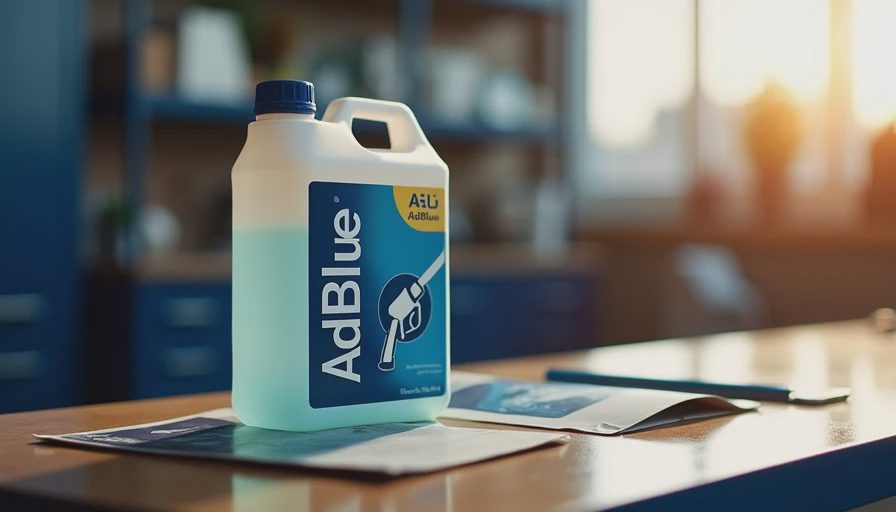
Choosing and storing the correct fluid
A reliable guide to adblue must emphasize fluid quality. Look for packaging that identifies the product as diesel exhaust fluid and references ISO 22241. That standard covers the composition and purity needed by SCR systems. Brand examples include Shell, Peak BlueDEF, Valvoline, and manufacturer-labeled products, but the label and certification matter more than the logo.
Do not dilute DEF with tap water, add fuel-system cleaner, or mix in homemade urea solution. Minerals and contaminants can clog the injector or poison the catalyst. Use a clean, dedicated funnel or the sealed spout supplied with the container. Wipe dirt from the filler neck before opening the cap, and close the container promptly after pouring.
AdBlue freezes at about 12 degrees Fahrenheit. Freezing does not automatically ruin it because vehicle tanks and lines are designed to thaw the fluid, but a partially filled container can expand and split. Store spare fluid upright in a cool, shaded place. Avoid prolonged exposure to direct sun and extreme heat. An unopened container is generally more stable than one that has been opened repeatedly, so buy a size you can use within a reasonable period.
How to refill the DEF tank safely
Your owner’s manual identifies the filler location. It may be beside the diesel filler, under the hood, or behind a separate body panel. Some vehicles use a blue cap, but never rely on color alone. Read the label and confirm the fluid before filling.
Park on level ground and switch off the engine. Open the DEF filler, insert the approved spout, and pour slowly. A typical passenger vehicle may use several gallons between warnings, while a heavy-duty pickup can have a larger tank and higher consumption. Do not force extra fluid after the nozzle stops or the tank appears full; leave room for expansion.
If you spill a small amount on the vehicle exterior, rinse it with water and wipe the surface. Dried DEF can leave white crystals. Those crystals are not automatically evidence of a failed system, but repeated deposits around an injector, hose, or tank connection deserve inspection. Never start the engine if you accidentally poured DEF into the diesel tank or diesel into the DEF tank. Arrange professional service before driving.
A practical guide to adblue also includes the dashboard procedure. After refilling, some vehicles clear the warning immediately; others need the ignition cycled or a short drive. If the countdown remains, the tank may not have registered the refill, the fluid level sensor may have a fault, or another SCR problem may be present.
Understanding warnings, countdowns, and repairs
The first low-fluid warning is usually a maintenance reminder. Later messages may show a remaining-mileage countdown. If the countdown reaches zero, some diesel vehicles will not restart after the engine is switched off. This strategy is built into emissions compliance, not intended as a surprise punishment, so refill promptly when the first warning appears.
A warning can also indicate poor fluid quality, an NOx sensor fault, a dosing problem, a crystallized injector, a heater failure, or a leak. Adding more fluid will not fix a sensor or wiring problem. A repair shop can use a scan tool to read diagnostic trouble codes and test the dosing system. Depending on the failed component and vehicle, repairs can range from a few hundred dollars for a sensor or hose to well over $1,000 for major SCR parts.
Do not erase codes repeatedly without finding the cause. The warning may return, and continued operation with an emissions fault can create drivability limitations or leave the vehicle unable to restart. If the check-engine light appears with an AdBlue warning, treat the combination as a prompt for diagnosis rather than a simple refill reminder.
Maintenance habits that prevent expensive mistakes
This guide to adblue becomes useful when it changes your routine. Keep one sealed container in the garage only if you can store it within the manufacturer’s temperature guidance. Check the level at every oil service, especially before towing, road trips, or winter travel. Learn the approximate tank capacity from the owner’s manual instead of guessing from the warning message.
Use only clean equipment. A funnel used for engine oil, gasoline, or coolant should never touch the DEF filler. Replace a damaged cap or filler seal, and investigate leaks that leave wet spots or white residue. If your vehicle has sat for months, inspect the filler area before adding fluid; dirt and crystals can enter the system when the cap is removed.
Brand-specific instructions vary. A Chevrolet Silverado diesel, Ram heavy-duty truck, Volkswagen TDI, and Mercedes-Benz Sprinter can all use SCR technology while placing the filler and warning logic in different locations. The vehicle manual remains the final authority for refill steps and reset procedures.
Quick knowledge check and final takeaway
Quick Quiz: What are the three facts to remember? First, AdBlue is a separate exhaust-treatment fluid, not diesel fuel. Second, ISO 22241-quality DEF protects the injector and catalyst from contamination. Third, a warning countdown should be handled early, before the vehicle reaches a no-restart condition.
If you remember one concept from this post, make it this one: the fluid is simple, but the system is precise. The correct concentration, clean handling, and timely refills allow SCR equipment to do its job. Use this guide to adblue when checking labels, planning a refill, or deciding whether a warning needs professional diagnosis. A few minutes with the owner’s manual and a properly sealed container can prevent an inconvenient breakdown and a repair bill that runs into four figures.


No letters yet — be the first to write.