A routine oil change tells you that old lubricant has been removed. Maintenance recommendations from oil analysis tell you what that lubricant discovered while circulating through the engine. That difference can help you catch abnormal wear before a warning light, rough running, or an expensive repair appears. Let's start with the basics and build from there.
Oil analysis is laboratory testing of a used fluid sample. The lab measures suspended metals, contaminants, fluid properties, and sometimes chemical additives. It is not a crystal ball, and one report rarely proves that a component has failed. Instead, it creates a trend that becomes more useful each time you sample under similar conditions.
What an Oil Analysis Report Actually Measures
The first important category is wear metals. Iron can come from cylinder walls, camshafts, gears, and other steel parts. Copper may indicate wear in bearings, bushings, or oil coolers. Aluminum can come from pistons, bearings, or certain housings. Lead and tin are often associated with bearing materials. The lab usually reports these elements in parts per million, abbreviated as ppm.
A high number deserves attention, but context matters. A new engine, freshly rebuilt engine, or engine with a recently replaced component can produce a temporary rise in metal. A vehicle that has just endured a long towing trip may also show different results from one used for short suburban errands.
The report may also show silicon, which often represents dirt entering through the air-intake system, though sealants and some additives can contribute too. Fuel dilution means gasoline or diesel has entered the crankcase. Water or coolant contamination can reduce lubrication quality and create serious corrosion risk. Viscosity describes the oil's resistance to flow; a large change can point to fuel dilution, oxidation, or the wrong oil grade.
System Diagram reference: Picture the path as air filter to cylinders to crankcase to oil filter and back through the engine. A contaminant can enter at one point and leave clues throughout the system.

Turning Lab Results Into Maintenance Recommendations from Oil Analysis
The best maintenance recommendations from oil analysis connect a measured clue to a specific inspection. For example, elevated silicon should lead you to inspect the air filter housing, intake boot, clamps, and crankcase ventilation system. A split rubber boot can allow unfiltered air into the engine even when the filter itself looks clean.
Rising iron across several reports suggests you should review oil level, oil viscosity, drain intervals, operating temperature, and recent driving conditions. If iron rises sharply while viscosity falls and fuel dilution is elevated, a technician might investigate leaking fuel injectors, repeated short trips, or an engine that is not reaching operating temperature.
A coolant-related result deserves faster action. Glycol, sodium, potassium, or unusual water content can support the suspicion of a coolant leak, but the oil report alone cannot identify the failed gasket or component. Follow-up testing could include a cooling-system pressure test, combustion-gas test, compression test, or inspection of the oil cooler.
Do not respond to every abnormal number by replacing an engine. Ask three questions: Is the result outside the lab's range? Is it changing over time? Does it match a symptom or a known repair? That process prevents an expensive guess from replacing a useful diagnosis.
How to Build a Useful Sampling Routine
Consistency makes maintenance recommendations from oil analysis more dependable. Use the same sampling point whenever possible, preferably mid-drain after the vehicle has reached normal operating temperature. Do not collect the first splash from the drain pan because sediment at the bottom may distort the sample. Avoid touching the bottle opening or cap with dirty hands.
Record the vehicle identification, odometer reading, oil brand and viscosity, filter brand, miles on the oil, top-off amount, and unusual conditions. Note towing, racing, extended idling, severe heat, dusty roads, and recent engine work. These details give the lab and your technician a framework for interpreting results.
For a personal vehicle, an annual sample can establish a baseline. A high-mileage vehicle, work truck, or car with a known concern may justify sampling at every oil change until the trend is clear. Use a reputable lab's kit and follow its instructions; different labs use different testing methods and reference ranges.
If you change the oil yourself, label the sample before draining. A small mistake, such as writing the wrong mileage or mixing samples from two vehicles, can make an accurate lab test practically useless.
Reading Trends Instead of Chasing One Number
Imagine three reports from the same four-cylinder engine. The first shows iron at a modest level, the second is similar, and the third doubles after a long towing interval. That pattern is more meaningful than a single result viewed without history. It could justify a shorter drain interval and an inspection of oil level, filter condition, and operating temperature before more invasive work.
Another example involves fuel dilution. A single elevated result after repeated cold starts may be explained by the driving pattern. If the result stays high and the oil level rises on the dipstick, schedule prompt service. Fuel can thin the lubricant, reducing its ability to protect bearings and cylinder walls.
Maintenance recommendations from oil analysis should be ranked by risk. A possible coolant leak, very low viscosity, or rapidly increasing wear deserves priority. A small increase in one metal with no symptoms may call for another sample and closer observation. This is the same reasoning used in a classroom lab: establish a baseline, change one variable, and compare the result.
A Practical Action Plan After Your Report Arrives
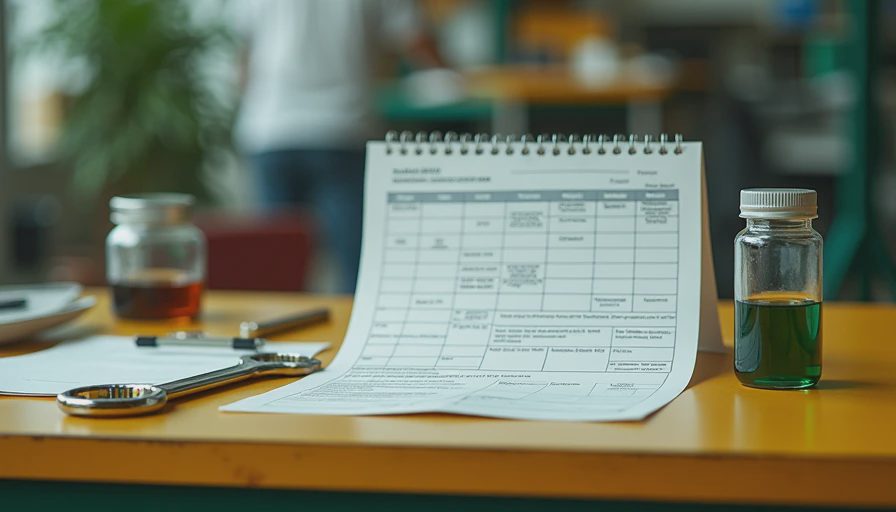
Start by confirming the sample information. Check the mileage, oil age, oil grade, and whether the lab received the correct vehicle sample. Next, mark every result flagged as abnormal, then separate findings into contamination, fluid condition, and wear metals.
After that, compare the current report with earlier reports. Look for direction rather than isolated drama. Call a qualified repair shop if the report shows coolant contamination, severe fuel dilution, a sudden wear-metal increase, or a viscosity result far from the oil you installed.
Bring the complete report to the appointment. Ask the technician to explain which physical component could create each clue and what inspection can confirm it. A $50 to $100 diagnostic test can be far more valuable than replacing a sensor or component based only on suspicion. Prices vary by vehicle and region, but disciplined testing usually saves money compared with parts swapping.
If the results are stable, continue using the manufacturer's specified oil grade and filter, then sample again at a sensible interval. Oil analysis supports the maintenance schedule; it does not automatically replace the owner's manual.
Quick Quiz and Final Takeaway
Quick Quiz: If iron rises once after an engine rebuild, does that automatically mean failure? No. Break-in wear, sampling conditions, and the repair history must be considered. If silicon is elevated, should you immediately replace the engine? No. Inspect the intake system and air filtration path first. If fuel dilution remains high, can you simply extend the oil interval? No. Find the cause before asking the lubricant to work harder.
If you remember one concept from this post, make it this one: maintenance recommendations from oil analysis become powerful when they are tied to trends, symptoms, and confirmatory inspections. A report is not a verdict. It is a set of clues about what your engine is experiencing.
Use the report to ask better questions, prioritize safety-critical concerns, and avoid unnecessary repairs. With consistent sampling and careful records, a small bottle of used oil can become one of the most useful diagnostic tools in your garage.


No letters yet — be the first to write.