A routine oil change removes old lubricant, but service maintenance oil analysis can explain what happened inside the engine between changes. That information can reveal abnormal wear, fuel contamination, coolant intrusion, or an oil interval that does not fit your driving conditions. The result is a more informed maintenance plan and a better chance of catching an expensive problem while it is still manageable.
Let's start with the basics and build from there. Engine oil does two major jobs: it reduces friction between moving parts and carries heat and contaminants away from those parts. Additives help the oil resist oxidation, suspend dirt, prevent corrosion, and control deposits. As miles accumulate, the oil's chemistry changes. A laboratory can measure those changes instead of relying only on color or smell.
What an Oil Analysis Actually Measures
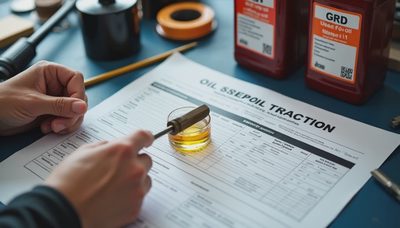
Service maintenance oil analysis begins with a representative sample of used oil. The sample is normally taken while the oil is warm and draining, or through the dipstick tube with a clean suction tool. A laboratory then examines the oil using several tests.
Viscosity measures how easily the oil flows. If the measured viscosity is much lower than expected, fuel dilution could be thinning the oil. If it is higher, oxidation, overheating, or thick contamination may be involved. Wear metals are another important category. Iron can come from cylinder walls, camshafts, gears, or other steel components. Aluminum may point toward pistons or certain bearings, while copper can come from bearing materials or oil coolers.
The report may also identify silicon, which can indicate dirt entering through an air filtration problem, and coolant markers such as sodium or potassium. These findings are clues, not automatic diagnoses. A single high result deserves context from the vehicle's mileage, engine design, oil brand, sample interval, and previous reports.

Why Trend Data Beats One Isolated Sample
One report is a snapshot. A series of reports is a movie. That distinction is central to service maintenance oil analysis because normal wear varies from engine to engine. For example, an iron reading that looks moderately high might be normal for a diesel engine, but a sudden rise from the vehicle's established baseline could signal a developing issue.
Keep the same information with every sample: odometer reading, miles on the oil, oil viscosity, brand and product line, filter type, makeup oil added, and any unusual operating conditions. Record whether the vehicle towed a trailer, idled extensively, overheated, or completed a long highway trip. Without those details, the lab is trying to interpret a photograph with no caption.
A practical example is a family SUV with 78,000 miles. Its first report shows normal viscosity and low wear. Three oil changes later, iron and aluminum both rise while the oil becomes thinner. That pattern could justify checking for fuel dilution, an injector problem, or abnormal piston wear before an engine noise appears. It does not prove one cause, but it tells you where to investigate.
When to Send a Sample
Service maintenance oil analysis is most useful when the sample answers a specific question. Send one when buying a used vehicle with an unknown maintenance history, after an overheating event, or when the engine uses noticeably more oil than before. It can also help owners of turbocharged engines, high-mileage vehicles, fleet trucks, and cars that spend much of their time towing or idling.
Timing matters. Sampling immediately after adding fresh oil will dilute the evidence, while sampling far beyond the manufacturer's recommended interval may show severe degradation without explaining when the change occurred. For a baseline, sample near the normal oil-change point, then repeat at similar intervals. Many consumer kits cost roughly $25 to $45, while more advanced testing can cost more depending on the lab and requested measurements.
Do not use an oil report as permission to ignore the owner's manual. The manual remains the starting point for oil specification, capacity, filter requirements, and service intervals. Analysis adds evidence about your particular engine and use pattern.

How to Read the Report Without Overreacting
Service maintenance oil analysis reports often include comments such as normal, monitor, or critical. Read the numbers alongside the lab's reference range, but do not treat that range as a universal pass-or-fail line. A reference range may be built from many engines, while your car has its own normal pattern.
Start with the comments about viscosity, flashpoint, fuel dilution, water, and coolant. Fuel dilution means gasoline or diesel has entered the crankcase and reduced the oil's thickness. Water can result from condensation, while coolant contamination is more serious and may be associated with a head gasket, oil cooler, or other sealing problem. Next, compare wear metals with older reports. Rising levels across two or more samples deserve a professional inspection.
Look at the oil filter, too. Cutting open a used filter can reveal glitter-like metal, but do this carefully and avoid contaminating a laboratory sample. A filter finding combined with an oil report, dashboard warning, compression test, or technician inspection is much stronger evidence than any single clue.
Turning Results Into a Maintenance Decision
The best use of service maintenance oil analysis is a step-by-step decision, not a panic purchase. First, verify the sample identity and service mileage. Second, compare the report with earlier results. Third, inspect simple causes such as a dirty air filter, incorrect oil level, leaking injector, or overdue service. Fourth, ask a qualified technician for targeted testing rather than authorizing an entire engine rebuild immediately.
Suppose a report shows elevated silicon but normal wear metals. Inspect the air intake system and filter housing before assuming internal engine damage. If fuel dilution is high, test fuel-system operation and check for short-trip use. If coolant markers rise along with a dropping coolant level, pressure testing and a cooling-system inspection become reasonable next steps.
This approach can save money because it connects a laboratory clue to a physical check. It also prevents the opposite mistake: dismissing a gradual trend until a bearing, turbocharger, or timing component fails.
Quick Quiz and Final Takeaway
Quick Quiz: Which is more useful for detecting a developing engine problem: one sample compared with a generic range, or several samples compared with your vehicle's own history? The answer is several samples and a consistent record. Trends provide context, while one result can be distorted by an unusual trip, sampling error, or recent repair.
System Diagram reference: Picture oil leaving the sump, passing through the pickup and pump, moving through the filter and engine galleries, and returning to the sump. A contaminant can enter at the intake, fuel, coolant, or wear surfaces, so the report is most valuable when you connect each finding to that flow path.
If you remember one concept from this post, make it this one: service maintenance oil analysis is an early-warning tool, not a crystal ball. Use it to establish a baseline, track changes, and choose focused inspections. Pair the report with correct oil, a quality filter, accurate records, and the manufacturer's schedule, then let evidence guide the next maintenance decision.


No letters yet — be the first to write.