An oil filter is a small, inexpensive part that protects some of the most expensive components in your vehicle. Choosing the best oil filter 2026 option is not about buying the largest canister or the filter with the most dramatic advertising. It is about matching filtration performance, oil-flow behavior, pressure capacity, gasket quality, and fit to your engine. A $10 to $20 filter can help protect an engine worth several thousand dollars, so this is a useful place to spend a few minutes learning the fundamentals.
Let's start with the basics and build from there. Engine oil carries heat away from bearings, lubricates moving surfaces, and suspends tiny particles created by normal wear. The oil filter traps many of those particles before the oil returns to circulation. If the filter is poorly made, incorrectly sized, or left on too long, the lubrication system can suffer even when you use the correct oil.
What an Oil Filter Actually Does
Inside a typical spin-on filter is a pleated filter element. Pleats increase surface area, giving the filter more room to capture contaminants without blocking oil flow immediately. The filter media can be cellulose paper, synthetic fiber, or a blend. Synthetic media generally offers more consistent filtration and greater dirt-holding capacity, while cellulose media can work well when changed at the vehicle manufacturer's recommended interval.
Two valves deserve attention. The anti-drainback valve helps keep oil inside the filter after the engine is shut off. This can reduce the dry-start rattle that some engines experience after sitting overnight. The bypass valve opens when the filter becomes restricted or the oil is very cold, allowing oil to continue reaching the engine rather than stopping circulation entirely. Bypass operation is a safety feature, not proof that the filter has failed.
A filter's micron rating describes the approximate size of particles it can capture under a stated test condition. Smaller is not automatically better. A filter that captures extremely small particles but restricts flow too quickly is not a smart match for every engine. The best oil filter 2026 choice balances clean oil with reliable flow across cold starts, highway driving, and extended idle periods.
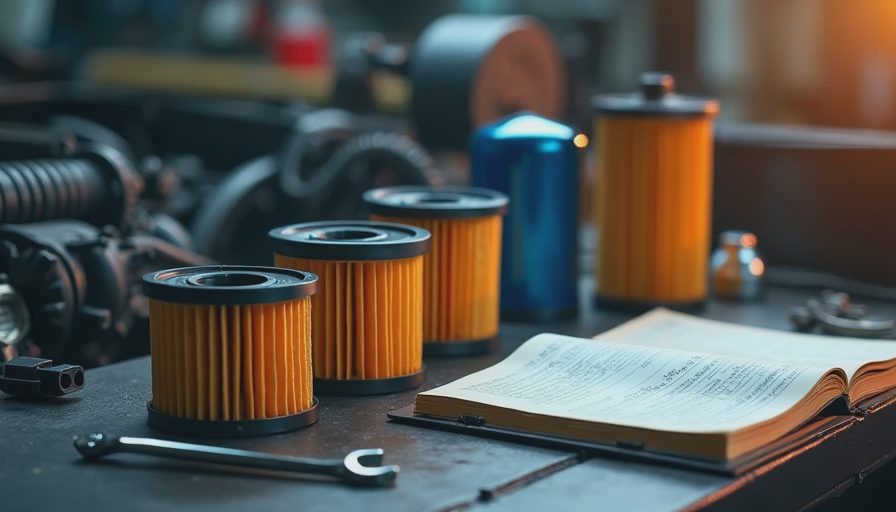
System Diagram reference: Picture the oil path as a loop. The oil pump draws oil from the pan, pushes it through the filter, sends it through engine galleries to bearings and valvetrain parts, and returns it to the pan. The filter is one checkpoint in that loop, not a substitute for correct oil level or regular maintenance.
Comparing Filter Construction and Popular Brands
For many vehicles, a premium filter from Fram, Wix, Purolator, Bosch, Mobil 1, or K&N can be a reasonable choice when the part number and specifications are correct. These brands sell multiple product lines, so the logo alone does not tell you everything. A budget filter may use a basic cellulose element and still be appropriate for a standard five- or seven-thousand-mile oil interval. A premium filter may use synthetic-blend or full-synthetic media, stronger end caps, and a thicker shell for additional durability.
Wix and Purolator are often chosen for robust construction and broad application coverage. Bosch and Mobil 1 offer premium lines aimed at drivers who want higher-efficiency media or longer service capability. Fram has entry-level and higher-tier products, so compare the specific series rather than judging the entire brand. K&N filters are known for sturdy housings and are commonly considered by drivers who want a heavy-duty design. None of these labels eliminates the need to verify the application.
If you are searching for the best oil filter 2026, start by comparing the filter's published service interval with your oil-change plan. Do not automatically extend an oil change because the box says extended performance. The vehicle manual, oil-life monitor, driving conditions, and engine condition still determine the correct interval.
How to Match a Filter to Your Vehicle
The correct filter must match the engine, thread size, gasket dimensions, bypass-valve specification, and available clearance. Two filters can look nearly identical while using different threads or sealing surfaces. Installing the wrong one can cause a leak, loss of oil, or damage during removal. Use the owner's manual, a reputable catalog, or a vehicle-parts database that asks for year, make, model, engine, and sometimes trim.
Pay special attention to engines with cartridge-style filters. These systems use a replaceable internal element inside a plastic or metal housing instead of a disposable spin-on canister. Cartridge filters often require a new housing O-ring. The O-ring belongs in the designated groove, not on top of the old seal, and it should be lightly coated with clean engine oil before assembly. Many housings have a specified torque value; overtightening can crack plastic or distort the seal.
For a conventional spin-on filter, compare the old filter with the new one before draining oil. Check diameter, height, gasket shape, and threaded opening. A larger filter is not necessarily an upgrade because it may have the wrong bypass setting or insufficient clearance near the exhaust, suspension, or splash shield.
Quick Quiz: What is more important than the filter's outside size? The answer is application compatibility, including thread, gasket, bypass, and pressure specifications.

Installation Steps That Prevent Expensive Mistakes
Warm oil drains more completely, but it can burn skin, so work carefully and use gloves. Park on level ground, secure the vehicle with the parking brake, and use properly rated jack stands if you need additional clearance. Never rely on a jack alone. Locate the drain plug and filter before loosening anything so you know where the used oil will go.
After removing the old filter, confirm that its rubber gasket came off with it. A stuck gasket can create a double-gasket condition when the new filter is installed. That mistake can dump oil rapidly as soon as the engine runs. Wipe the mounting surface clean, lightly oil the new gasket, and tighten the filter by hand according to the instructions on the filter or vehicle service information. Tools are usually needed for removal, not final tightening.
Install the drain-plug washer if the vehicle uses a replaceable crush washer, refill with the specified oil, and wait several minutes before checking the dipstick. Start the engine briefly, inspect the filter and drain plug for leaks, shut the engine off, and recheck the level after the oil settles. Recycle used oil and the old filter at an automotive retailer or household hazardous-waste collection site that accepts them.
Choosing Value for Your Driving Pattern
A commuter who changes oil every 5,000 miles does not necessarily need the most expensive filter. A dependable midrange filter with the correct specifications can provide sensible value, often costing roughly $8 to $15. A premium filter in the $12 to $25 range can make sense for severe service, dusty roads, frequent short trips, or an engine that holds a large oil volume. The benefit is generally better construction and capacity, not permission to ignore the maintenance schedule.
Short trips deserve special attention because the engine may not reach full operating temperature. Moisture and fuel dilution can accumulate in the oil, increasing stress on the filter and lubricant. Frequent towing, long idling, racing, and dusty environments also qualify as harder service for many vehicles. In those conditions, follow the severe-service schedule in the owner's manual and use a filter designed for the engine's pressure and flow requirements.
If you remember one concept from this post, make it this one: the best oil filter 2026 is the correctly specified filter changed on time. A premium part installed incorrectly cannot protect an engine, while a properly fitted quality filter can do its job quietly for thousands of miles.
Final Buying Checklist
Before purchasing, confirm the exact engine and filter part number. Read whether the product is intended for standard or extended service, then compare that claim with your actual oil-change interval. Inspect the gasket and thread area before installation, especially if the filter came from an unfamiliar seller. Buy from a retailer with reliable inventory control because counterfeit or incorrectly labeled parts can undermine even a good brand.
The best oil filter 2026 search becomes much easier when you treat the filter as part of an entire lubrication system. Select the correct oil viscosity, maintain the level between changes, investigate warning lights immediately, and watch for leaks after service. If you want a dependable starting point, choose a reputable filter line matched through the vehicle catalog, follow the manual's interval, and keep the receipts and mileage records. That simple process protects your engine and gives you a clear maintenance history when it is time to sell the car.


No letters yet — be the first to write.