
A **brake fluid change** is one of those services drivers often postpone because the car still seems to stop normally. That is exactly why it gets missed. Brake fluid works out of sight inside sealed lines, but it has a very important weakness: it absorbs moisture over time. That moisture lowers the fluid's boiling point, increases corrosion risk, and can make hard braking feel less consistent. Let's start with the basics and build from there. If you care about safety, pedal feel, and avoiding expensive brake system repairs, understanding this service pays off.
What brake fluid actually does
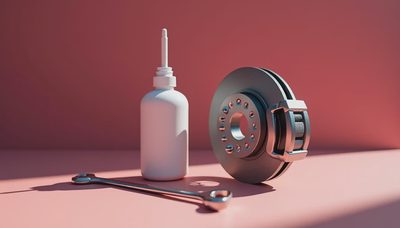
Brake fluid is a hydraulic fluid, which means it transfers force through liquid pressure. When a driver presses the brake pedal, the master cylinder turns that foot pressure into hydraulic pressure and sends it through brake lines to the calipers or wheel cylinders. The calipers then clamp the brake pads onto the rotors. That chain only works well if the fluid stays stable under heat and pressure.
Most passenger vehicles in the U.S. use DOT 3, DOT 4, or DOT 5.1 brake fluid. The DOT rating is a federal performance standard, and the main difference for most owners is boiling point. Higher boiling points help under repeated hard stops and hot driving conditions. Brake fluid is also hygroscopic, meaning it absorbs moisture from the air. That is normal chemistry, not a defect. The problem is that water-contaminated fluid boils sooner and can allow internal rust in expensive components like ABS hydraulic units and calipers.
A good rule for many vehicles is a brake fluid change every 2 to 3 years, though the owner's manual is the final word.
Why old brake fluid becomes a real problem
Fresh brake fluid is designed to stay incompressible, which means it should transmit pedal force without squishing like air would. But once fluid gets hot enough to boil, it can create vapor bubbles. Vapor compresses much more than liquid, so the pedal can feel soft or sink lower than expected during repeated braking. On a mountain descent, in stop-and-go summer traffic, or during an emergency stop, that matters.
Old fluid also attacks your wallet. Moisture inside the system encourages corrosion in steel lines, caliper bores, and the anti-lock braking system components. An ABS module can cost hundreds or even over $1,000 to replace depending on the vehicle, while a typical brake fluid change at a shop often runs around $90 to $160. On many mainstream models from Toyota, Honda, Ford, Chevrolet, Hyundai, and Subaru, this is inexpensive preventive maintenance compared with hydraulic repairs.
Common warning signs include dark fluid in the reservoir, a spongy pedal, reduced confidence during repeated stops, or a maintenance schedule showing the service is overdue. None of those signs should be ignored.

When to schedule a brake fluid change
The best timing comes from the owner's manual, but there are a few practical patterns I teach in class. Time matters more than mileage for brake fluid because moisture absorption happens gradually whether the car is driven a lot or not. A garage-kept commuter and a low-mileage errand car can both need service on a similar calendar.
Many manufacturers recommend a brake fluid change about every 2 or 3 years. Some performance-oriented vehicles, towing vehicles, and cars used in hilly areas benefit from staying on the shorter end of that range. If you have recently replaced calipers, brake hoses, or a master cylinder, fluid service may also be part of finishing that repair correctly.
You can also inspect the reservoir, but use that as a clue rather than a final diagnosis. Dark fluid does not automatically mean failure, and clear-looking fluid is not proof that moisture is low. Shops can test moisture content or boiling point with brake fluid testers. That can help if you want data before authorizing service. If you remember one concept from this post, make it this one: brake fluid ages chemically, not just visually.
What happens during the service and whether DIY makes sense
A proper brake fluid change usually means flushing most of the old fluid out and replacing it with the correct new fluid. The technician starts at the reservoir, keeps it filled with fresh fluid, and bleeds each wheel in sequence so old fluid and trapped air are pushed out through the bleeder screws. Bleeding means opening that small valve while pressure moves fluid through the system.
The exact sequence varies by vehicle, especially if it has a complex ABS system or a manufacturer-specific procedure. That is why the service information matters. Some DIYers use a one-person vacuum bleeder or pressure bleeder and get good results. If you are disciplined, use the exact DOT fluid required, and keep air out of the system, it is very doable on many vehicles.
Still, brake work is not the place for guesswork. Mixing the wrong fluid type, letting the reservoir run dry, or spilling fluid on paint can create bigger problems. For many owners, paying a reputable independent shop or dealer once every few years is a smart trade.
Cost, shopping tips, and the smartest next step
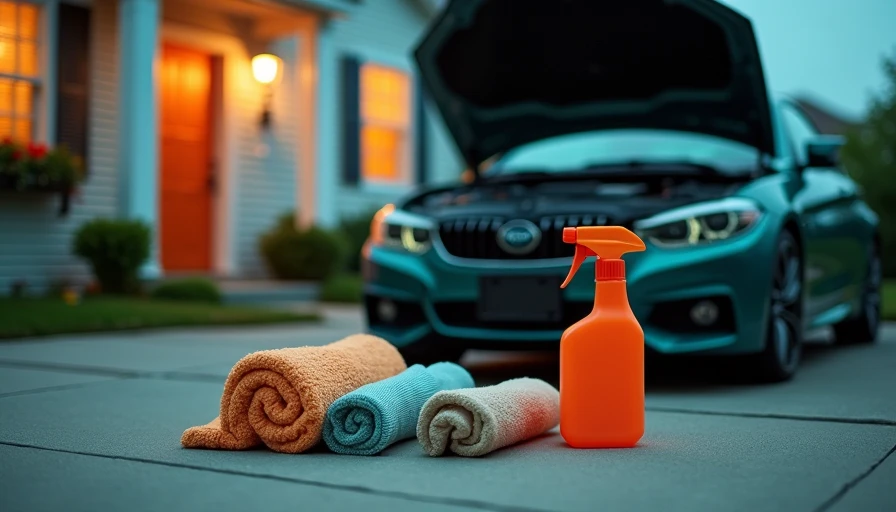
A brake fluid change is usually one of the better-value maintenance services on the menu. Independent repair shops often charge less than dealerships, but either can be fine if they use the correct fluid and follow the proper bleed procedure. Expect roughly $90 to $160 for most standard vehicles, with some luxury or performance models costing more. If a shop is already replacing pads, rotors, calipers, or hoses, bundling a fluid service can save labor.
When comparing quotes, ask three simple questions: What DOT fluid will you use? Are you performing a full flush or just topping off the reservoir? And is the price inclusive of labor and materials? Topping off is not the same as a brake fluid change. It adds fluid but leaves most aged fluid in the lines and components.
If you are shopping around, national chains, dealership service departments, and local brake specialists all compete on this service. Use that to your advantage. Ask for a written estimate, compare reviews, and schedule it before your next long trip or before summer heat builds up.
Quick Quiz:
- What does hygroscopic mean in relation to brake fluid?
- Why can moisture lower braking confidence during repeated stops?
- Is topping off the same thing as a brake fluid change?
System Diagram reference: Picture the brake pedal, master cylinder, brake lines, ABS hydraulic unit, calipers, pads, and rotors as one pressure chain. The fluid is the link connecting every part. Keep that link healthy, and the whole system performs better.
No letters yet — be the first to write.