Let's start with the basics and build from there. Brake fluid is the hydraulic lifeblood of your braking system. When you press the pedal, it transmits force from your foot to the brake pads. Over time, brake fluid absorbs moisture from the air, lowering its boiling point and leading to corrosion inside the system. That's why a **brake fluid flush near me** isn't just a maintenance item—it's a safety issue. In this article, I'll walk you through what a brake fluid flush entails, why you need one, and how to pick a trustworthy shop in your area.
What Is Brake Fluid and Why Does It Degrade?
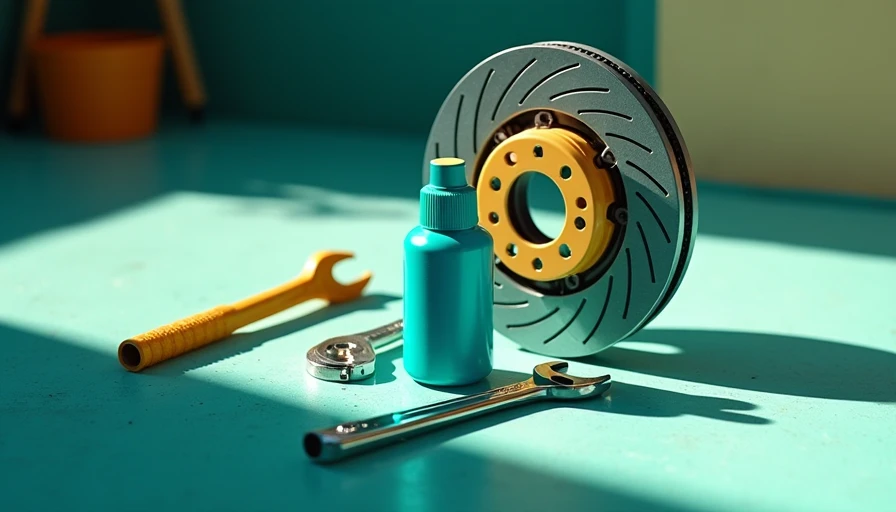
Brake fluid is a glycol-based or silicone-based hydraulic fluid. Most modern vehicles use DOT 3, DOT 4, or DOT 5.1 fluid, each with a different dry boiling point. As you drive, the fluid absorbs moisture—up to 2% per year in humid climates. This moisture lowers the boiling point, which can cause brake fade under hard braking. Worse, water leads to internal rust and pitting in expensive components like ABS modules and calipers. A **brake fluid flush near me** removes that contaminated fluid and replaces it with fresh fluid and the correct DOT rating for your car.
Why a Flush, Not Just a Top-Off?
Topping off the reservoir might fix a low fluid level, but it doesn't solve the moisture problem. Only a full flush cycles out the old fluid throughout the entire hydraulic system, including the lines and calipers. If you've never had a flush, or more than two years have passed since the last one, it's time to search for a "brake fluid flush near me" to get it done right. Most manufacturers recommend a flush every 30,000 miles or every two to three years—check your owner's manual for the exact interval.
How to Choose a Shop for Your Brake Fluid Flush
Not every repair shop performs brake fluid flushes properly. Look for a shop that:
- Uses a pressure flusher or vacuum bleeder rather than a manual two-person method (which can introduce air).
- Checks the fluid's moisture content with a test strip or electronic tester before and after.
- Uses the correct fluid type specified by your car's manufacturer (e.g., DOT 4 for most modern vehicles).
- Provides a written estimate upfront. A typical **brake fluid flush near me** costs between $80 and $150 at an independent shop, or $100–$200 at a dealership.
If you're handy, you can do it yourself with a one-person bleeder kit and a helper, but for most drivers, a professional flush is safer and more convenient.
What Happens During a Professional Brake Fluid Flush?
Here's what you can expect when you schedule a **brake fluid flush near me**:
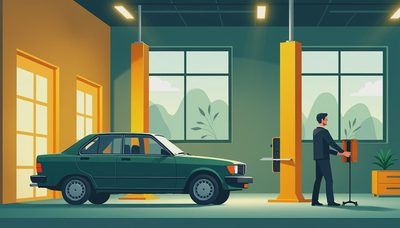
- The technician lifts your car and removes the wheels (often included).
- They attach a flush machine to the brake fluid reservoir or master cylinder.
- The machine cycles fresh fluid through each brake line, pushing out old fluid from the bleeder valves.
- They bleed air from the system and top off the reservoir.
- They test the fluid for moisture content to confirm success.
The process takes about 30 to 45 minutes. Some shops include a brake inspection as part of the service—ask when you book.
Common Myths About Brake Fluid Flush
**Myth: Brake fluid never needs changing.** Fact: It absorbs moisture over time and degrades. Even if your brakes feel fine, the fluid may be compromised.
**Myth: Only old cars need flushes.** Fact: Modern cars with ABS are more sensitive to moisture contamination, making flushes even more important.
**Myth: You can just drain the reservoir.** Fact: That only replaces about 20% of the total fluid. A full flush is necessary to protect the entire system.
Signs You Need a Brake Fluid Flush
Watch for these indicators:
- Spongy or soft brake pedal
- Longer stopping distances
- Dark or murky fluid in the reservoir (fresh fluid is clear with a slight yellow tint)
- ABS warning light on the dashboard
- Brake fluid has not been changed in over two years
If you notice any of these, search for "brake fluid flush near me" and book an appointment before the issue worsens.
Quick Quiz: Test Your Knowledge
- What is the main reason brake fluid degrades over time?
- A) Heat from braking
- B) Moisture absorption from the air
- C) UV light exposure
- How often should most manufacturers recommend a brake fluid flush?
- A) Every 10,000 miles
- B) Every 30,000 miles or 2-3 years
- C) Never
- Why is a full flush better than a top-off?
- A) It costs less
- B) It removes contaminated fluid from the entire system, not just the reservoir
- C) It uses a different type of fluid
Answers: 1-B, 2-B, 3-B
The Bottom Line
A **brake fluid flush near me** is a straightforward preventive maintenance service that keeps your braking system reliable. If it's been a while since your last flush—or you can't remember the last time it was done—find a reputable shop in your area. The small investment of time and money can prevent costly repairs down the road and, more importantly, keep you and your family safe. For more car care basics, check out our guides on cooling system flushes and transmission fluid changes.
No letters yet — be the first to write.