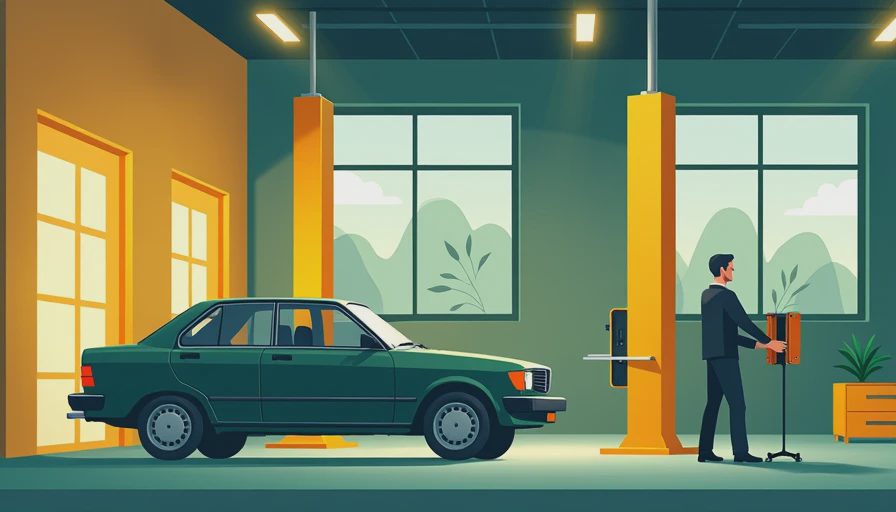
Let's start with the basics and build from there. If you're wondering **how often should you flush brake fluid**, the answer isn't just a number—it's rooted in chemistry, safety, and your car's design. Brake fluid is hygroscopic, meaning it absorbs moisture from the air over time. That moisture lowers the boiling point of the fluid, which can lead to brake fade during hard stops or even complete failure in extreme cases. Today, we'll walk through the factors that determine the right interval for your vehicle.
Brake fluid doesn't wear out like engine oil, but it degrades. Most manufacturers recommend a flush every two years or 30,000 miles—whichever comes first. But there are exceptions. For example, vehicles with ABS systems or those driven in humid climates may need more frequent attention. Understanding **how often should you flush brake fluid** for your specific car starts with checking your owner's manual. But even if you're past that interval, you might be fine—or you might be overdue. Let's dig deeper.
Why Brake Fluid Flushes Matter: The Science of Moisture Absorption
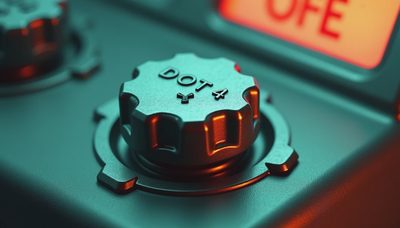
Brake fluid is classified by DOT (Department of Transportation) ratings: DOT 3, DOT 4, and DOT 5.1 are common for modern vehicles. All of them attract moisture. Fresh DOT 3 fluid has a dry boiling point around 401°F, but with just 3% water content, that drops to about 284°F. That's a dangerous change. When fluid boils, it creates gas bubbles in the brake lines. Since gas compresses, your brake pedal feels spongy or goes to the floor. A flush replaces the contaminated fluid with fresh fluid, restoring that high boiling point and ensuring consistent braking performance.
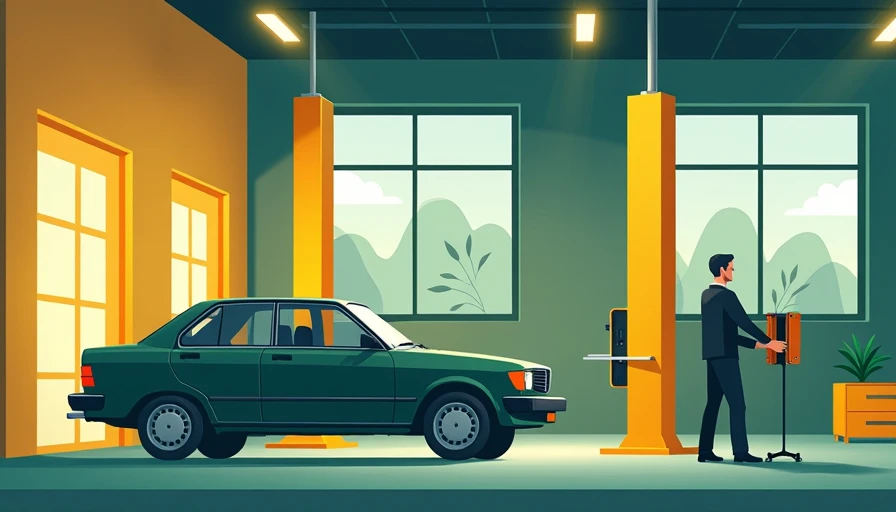
System Diagram reference: Imagine a closed hydraulic system where fluid transfers force from your foot to the calipers. Moisture enters through the reservoir cap's vent or rubber hoses. Over time, the fluid becomes acidic, corroding internal components like ABS pumps and calipers. That's why sticking to a regular schedule for **how often should you flush brake fluid** protects not just your stopping power but your wallet—repairing corroded ABS modules can cost over $1,000.
Manufacturer Recommendations: What Your Owner's Manual Says
Every car is different. For most mainstream brands—Honda, Toyota, Ford, Chevrolet—the standard is every two years or 30,000 miles. European luxury brands like BMW and Mercedes-Benz often recommend two years regardless of mileage. Performance vehicles like the Subaru WRX or Ford Mustang GT may call for more frequent flushes, sometimes every 15,000 miles, due to higher heat loads. The only way to be certain is to check your owner's manual. If you don't have one, most automakers publish maintenance schedules online. But here's a rule of thumb: if you're unsure, a two-year flush is safe for any car.
That said, **how often should you flush brake fluid** also depends on how you drive. If you do a lot of stop-and-go city driving, mountain descents, or track days, the fluid gets hotter more often, accelerating moisture absorption and boiling point degradation. In those cases, a yearly flush might be wise. On the flip side, a garage queen driven only on sunny weekends can stretch to three years, but never beyond that.

Signs You Need a Brake Fluid Flush Sooner
Even if it's not time on the calendar, your car may tell you. Look for these symptoms:
- **Spongy or soft brake pedal** – If the pedal feels mushy or sinks lower than usual, there's likely air (from boiling) or moisture in the system.
- **Dark or dirty fluid** – Fresh brake fluid is clear or slightly amber. If it looks dark brown or black, it's contaminated.
- **ABS warning light** – Modern ABS systems can detect low boiling point or acidic fluid, triggering the dashboard light.
- **Brake fade** – If your brakes feel weaker after repeated stops (like a long downhill), the fluid may be boiling.
If you notice any of these, don't wait. A flush is the remedy. Understanding **how often should you flush brake fluid** is one thing, but listening to your car is just as important.
How to Check Brake Fluid Condition at Home
You can perform a simple visual check. Locate the brake fluid reservoir under the hood (usually near the firewall on the driver's side). Look at the color through the translucent plastic. If it's dark, it's time for a flush. For a more precise test, buy a brake fluid test pen (about $10–15) that measures moisture content. A green light means good, yellow means marginal, red means flush immediately. These pens are reusable and accurate. Also check the fluid level—if it's low, that could indicate worn brake pads or a leak, both of which need attention before a flush.
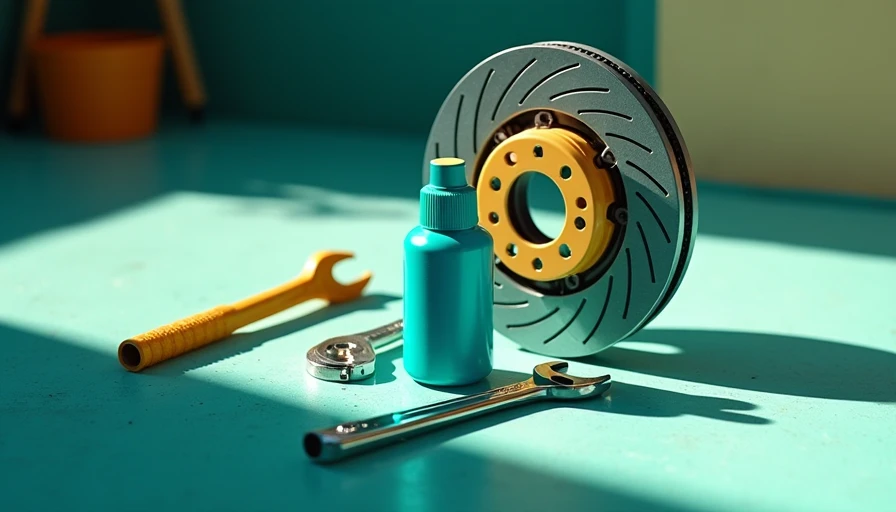
If you're comfortable with basic DIY, a flush is straightforward: you just need fresh fluid, a wrench, a buddy to pump the pedal, and a catch can. But I recommend a professional flush for most people—air in the system can be dangerous. Either way, knowing **how often should you flush brake fluid** and condition-checking will keep you safe.
Quick Quiz: Test Your Brake Fluid Knowledge
- **What does hygroscopic mean?**
- a) Attracts heat
- b) Attracts water
- c) Repels water
- Answer: b
- **What happens when brake fluid absorbs too much moisture?**
- a) Boiling point increases
- b) Boiling point decreases
- c) Nothing
- Answer: b
- **Typical manufacturer interval for a brake fluid flush?**
- a) Every 1 year
- b) Every 2 years or 30,000 miles
- c) Every 5 years
- Answer: b
If you answered all correctly, you're on your way to becoming a brake fluid expert. If not, that's okay—that's why we're here. The key takeaway: don't neglect your brake fluid. A cheap, simple flush every two years can save you from costly repairs and keep your family safe. So, next time you ask yourself **how often should you flush brake fluid**, you'll know the answer: every two years by default, but sooner if your driving style or car demands it. Keep learning, and as always, happy wrenching.
No letters yet — be the first to write.