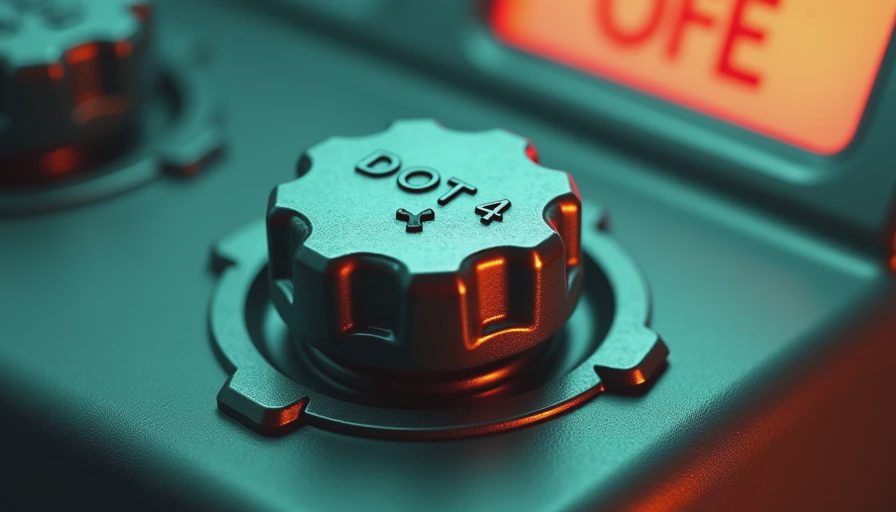
If you've ever asked yourself, "Do I really need to flush my brake fluid?" you're not alone. Many drivers overlook this service because brake fluid lives in a sealed system and doesn't get dirty like oil. But here's the thing: brake fluid is hygroscopic—it absorbs moisture from the air over time. That moisture lowers the fluid's boiling point, which can lead to brake fade or failure when you need them most. Understanding the right **brake fluid flush interval** for your vehicle is a critical part of routine maintenance, and I'm going to walk you through it step by step.
Let's start with the basics and build from there.
What Is Brake Fluid and Why Does It Matter?
Brake fluid is a hydraulic fluid that transfers the force from your brake pedal to the calipers so your car can stop. It's classified by DOT (Department of Transportation) ratings—DOT 3, DOT 4, and DOT 5.1 are common for modern cars, while DOT 5 is silicone-based and used in some classics and military vehicles. Each type has a different dry and wet boiling point. The dry boiling point is for fresh fluid; the wet boiling point is after it has absorbed a certain percentage of water. A good rule of thumb: the higher the number, the higher the boiling point.
Why Does Brake Fluid Need to Be Changed?
Unlike engine oil, brake fluid doesn't get contaminated by combustion byproducts. Instead, it absorbs moisture through microscopic pores in rubber hoses and seals, and through the brake fluid reservoir cap vent. Over time, the water content increases, lowering the fluid's boiling point. If the fluid gets too hot—say, during a long downhill descent or repeated hard stops—it can boil, forming vapor bubbles in the hydraulic system. Because vapor compresses, your brake pedal will feel spongy, and stopping distance increases dramatically. This is called brake fade, and it's dangerous.
System Diagram reference: Picture a sealed hydraulic circuit where fluid must be incompressible to work. Water vapor breaks that seal.
Understanding Brake Fluid Flush Interval
Most manufacturers recommend a **brake fluid flush interval** of every 2 to 3 years, regardless of mileage. Some specify 30,000 miles, while others use a time-based schedule because moisture absorption is time-dependent, not mileage-driven. For example, Honda suggests changing brake fluid every 3 years; BMW's interval is every 2 years. Check your owner's manual for the exact recommendation. A good rule of thumb: if you live in a humid climate like the Southeast, lean toward the shorter end of that range.
Factors That Affect Your Brake Fluid Flush Interval
Your actual **brake fluid flush interval** can vary based on several factors:
- **Climate**: Humid regions (Florida, Gulf Coast) accelerate moisture absorption. Dry climates (Arizona, Nevada) allow longer intervals.
- **Driving habits**: Frequent stop-and-go driving, towing, or track days heat up the fluid faster, demanding more frequent flushes.
- **Vehicle age**: Older cars may have seals that allow more moisture ingress.
- **DOT rating**: DOT 3 has a lower wet boiling point than DOT 4 or 5.1, so it may degrade faster.
How to Know If Your Brake Fluid Needs Changing
You don't need to guess. A simple test using a brake fluid tester (available at any auto parts store for $10–$20) measures the moisture content. If the meter shows more than 3% water, it's time for a flush. Also, if your brake fluid looks dark brown or black instead of clear to amber, that's a sign of contamination. Spongy pedal or a warning from a shop doesn't hurt to take seriously.
The Flush Procedure: What's Involved?
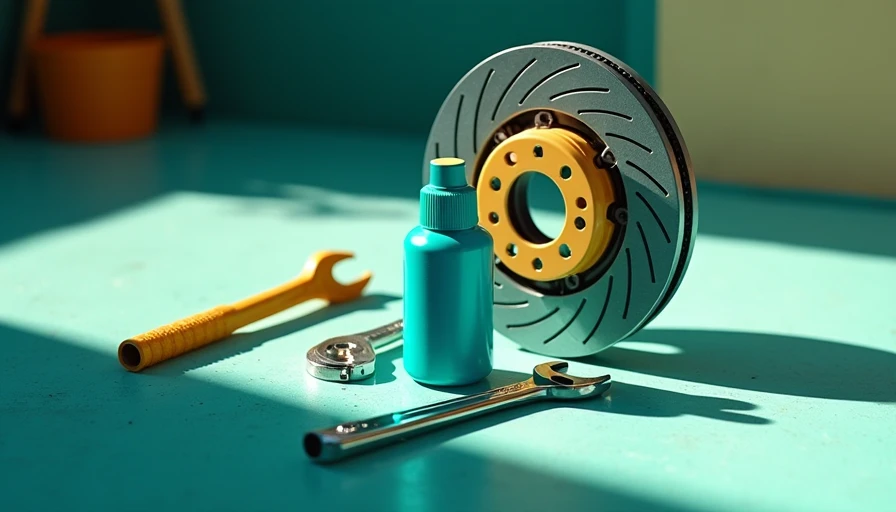
A proper brake fluid flush isn't just draining the reservoir and refilling it—that leaves old fluid in the lines and calipers. A full flush uses a pressure bleeder or manual bleeding to push fresh fluid through each brake line until the old fluid is completely replaced. Expect to use about a quart of fluid for a typical passenger car. Many DIYers can do this at home, but if you're not comfortable with bleeding brakes (air in the system can cause complete brake failure), have a professional do it. Cost at a shop: $80–$150.
Quick Quiz
Let's check your knowledge. True or false: Brake fluid should only be changed when it looks dirty.
**Answer:** False. Even clean-looking fluid can contain dangerous levels of moisture. The **brake fluid flush interval** is time-based, not appearance-based.
Brake Fluid Flush Interval: A Maintenance Checklist
Use this checklist to determine if you're due for a flush based on your **brake fluid flush interval**:
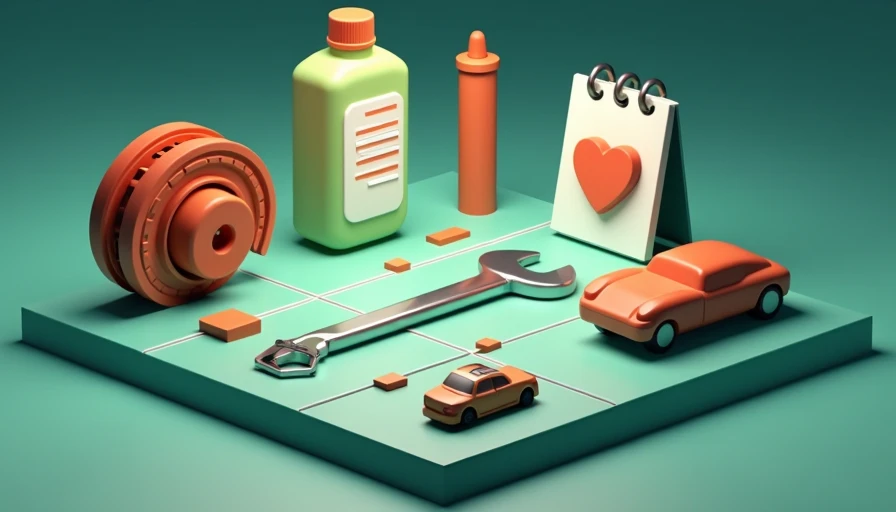
- **Check your owner's manual**: Locate the recommended interval (typically every 2-3 years or 30,000 miles). Write it down and set a reminder.
- **Inspect fluid color**: Look at the reservoir. If it's dark brown or black, schedule a flush immediately.
- **Test moisture content**: Use a brake fluid tester. Aim for under 3% moisture. Over 3%? Time for a flush.
- **Consider your environment**: If you live in a humid area or frequently drive in stop-and-go traffic, shorten the interval by 6-12 months.
- **Evaluate recent driving**: Did you just finish a mountain road trip or towing assignment? Test the fluid afterward.
- **DIY or pro?**: If you have the tools and confidence, a DIY flush costs about $20 for fluid and a bleeder kit. Professional service runs $80–$150, but includes proper disposal and waste handling.
By following this checklist, you can ensure your **brake fluid flush interval** stays on track, keeping your braking system safe and responsive.
Final Thoughts
If you remember one concept from this post, make it this one: brake fluid is hygroscopic, and moisture ruins its boiling point. Stick to the manufacturer's recommended **brake fluid flush interval**, and you'll keep your brakes reliable year after year. Your car—and your passengers—will thank you.
Need more help? Post your car's make, model, and year in the comments, and I'll help you look up the specific interval. Let's keep everyone safe on the road.
No letters yet — be the first to write.