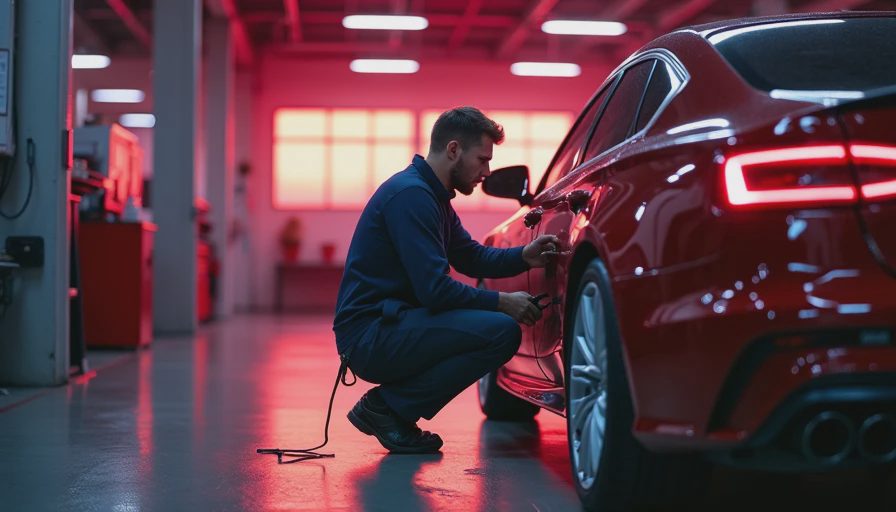
Let's start with the basics and build from there. If you've ever asked, "What's the typical brake fluid flush cost?" you're in the right place. As an automotive instructor, I help students understand not just the price tag but the value behind the service. Brake fluid is the lifeblood of your braking system—it transfers the force from your pedal to the calipers. Over time, it absorbs moisture, which lowers its boiling point and can lead to brake fade or even failure. That's why a periodic flush is essential. In this article, we'll break down the brake fluid flush cost, what influences it, and how you can get a fair deal.
Why Brake Fluid Needs to Be Flushed
Brake fluid is hygroscopic—a fancy word meaning it attracts and absorbs water from the air. Even in a sealed system, moisture seeps past rubber seals and hoses. As water content increases, the fluid's boiling point drops. Under hard braking, the fluid can boil, creating vapor bubbles. Since vapor compresses, your brake pedal feels spongy, and stopping distance increases. That's dangerous. A flush replaces old, moisture-laden fluid with fresh fluid, restoring performance. Most manufacturers recommend a flush every two years or 30,000 miles, but check your owner's manual. The cost of ignoring it can be far higher than the brake fluid flush cost.
Typical Brake Fluid Flush Cost Breakdown
So, what does a brake fluid flush cost at a shop? Nationally, you'll typically pay between $80 and $130 for a standard passenger car. This includes labor and fluid. Let's break it down:
- **Labor:** 30-60 minutes of shop time at $80-$120 per hour. That's $40-$120.
- **Fluid:** DOT 3 or DOT 4 fluid costs $10-$20 per quart. Most cars need about a quart.
- **Disposal fees:** Small, maybe $5-$10.
Luxury vehicles or those with ABS (anti-lock braking system) modules may require special procedures, bumping the cost to $150-$200. DIY can drop the brake fluid flush cost to $15-$30, but you need tools and know-how.
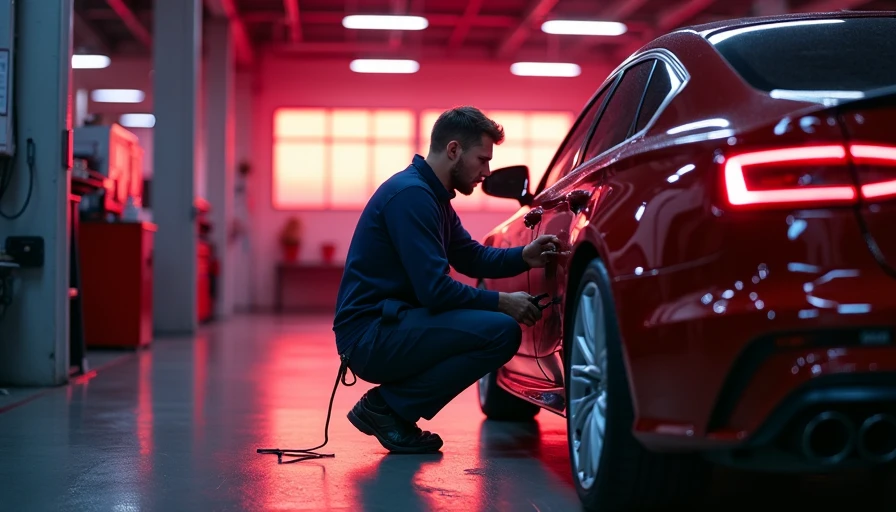
Factors That Affect Brake Fluid Flush Cost
Several variables influence what you'll pay. Understanding them helps you budget and compare quotes.
- **Vehicle Type:** A Honda Civic will cost less to flush than a BMW 5 Series. European brands often use specialized fluid (DOT 4 Low-Viscosity or DOT 5.1) and require a specific procedure to avoid damaging ABS modules.
- **Location:** Labor rates vary regionally. Expect higher prices in urban areas like New York or San Francisco compared to rural Midwest.
- **Shop Type:** Dealerships charge premium rates—often $150-$250. Independent mechanics might charge $80-$120. Quick-service chains like Jiffy Lube and Valvoline Instant Oil Change offer brake fluid flushes for $89.99-$109.99 during promotions.
- **Additional Services:** Some shops include a system inspection or fluid test. If they recommend a brake fluid flush cost that seems high, ask for a detailed breakdown.
- **Fluid Type:** DOT 5 (silicone-based) is more expensive but rarely used in modern cars. Stick to the manufacturer's recommended specification.
Is the Brake Fluid Flush Worth the Cost?
Absolutely. Consider this: A brake system repair due to corroded calipers or a failed master cylinder can cost $500-$1,500. The brake fluid flush cost is a small price to prevent that. I tell my students: think of it as insurance for your stopping power. If you drive in mountains, tow trailers, or live in humid climates (like Atlanta), moisture accumulation is faster, so stick to the schedule.
How to Save on Brake Fluid Flush Cost
You don't have to pay top dollar. Here are practical ways to reduce the brake fluid flush cost:
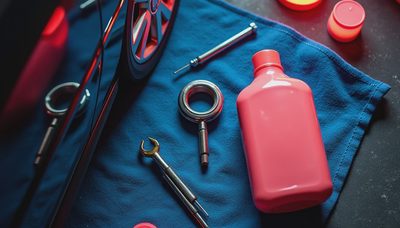
- **DIY If You're Comfortable:** You'll need a turkey baster or fluid extractor, a wrench, some tubing, and fresh fluid. It's messy but doable with a helper for the pedal-pumping method. Expect to spend $15-$30 on supplies.
- **Watch for Coupons:** Chain shops often run specials. A $20-off coupon can drop the price to $70 or less.
- **Combine with Other Services:** Some shops waive the flush fee if you get a brake pad replacement or tire rotation.
- **Get Multiple Quotes:** Call three shops—dealer, independent, and chain—and compare. Mention competitors' prices to negotiate.
- **Skip the Flush if Fluid Tests Good:** A simple test strip can measure moisture content. Under 1% water, you can delay. Over 3%, flush as soon as possible. This avoids unnecessary expense.
Quick Quiz: Test Your Knowledge
Here's a quick check to see if you've absorbed the key points:
- **Why does brake fluid need periodic replacement?**
A) It evaporates over time.
B) It absorbs moisture, lowering its boiling point.
C) It changes color.
- **What is the typical brake fluid flush cost for a standard car?**
A) $40-$60
B) $80-$130
C) $200-$300
- **Which factor can increase the cost?**
A) Using DOT 3 fluid
B) Having ABS
C) Living in a rural area
**Answers:** 1-B, 2-B, 3-B
System Diagram Reference
For a visual overview of brake fluid flow, check out our Brake System Diagram (available on the site). It shows the master cylinder, lines, calipers, and why air pockets are bad. Understanding the system helps you appreciate why the flush procedure matters.
Final Thoughts
The brake fluid flush cost is a small investment for critical safety. Whether you DIY or hire a pro, make sure it's done. If you remember one concept from this post, make it this one: moisture is the enemy of brake fluid. Flush on schedule, and your brakes will thank you. For more guidance, browse our other articles on brake fluid types and bleeding techniques. As always, keep learning, keep driving safe.

No letters yet — be the first to write.