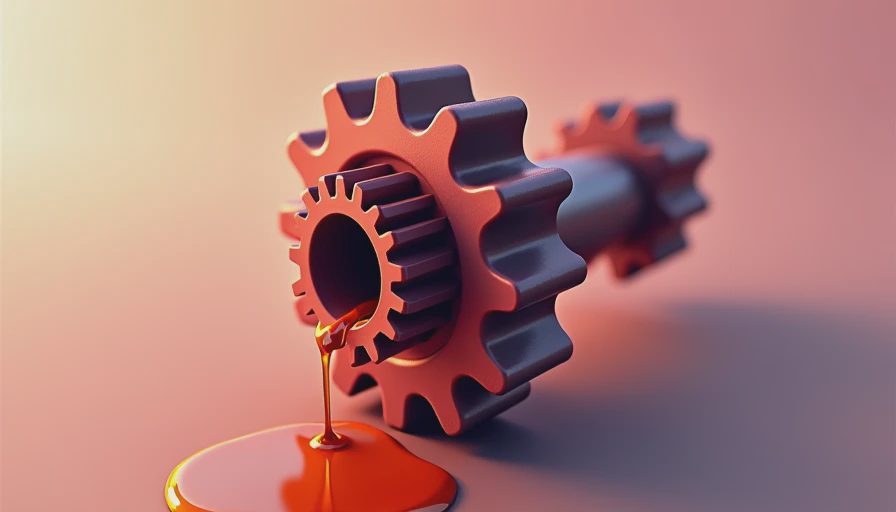
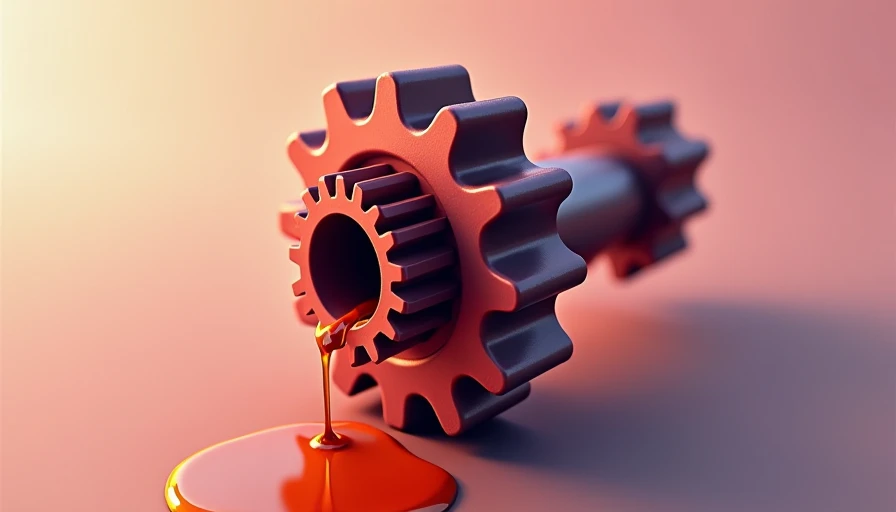
Let's start with the basics and build from there. If you've never thought about **changing differential fluid**, you're not alone. Most drivers focus on oil changes and tire rotations, but the differential—a critical component of your drivetrain—needs attention too. Differential fluid lubricates the gears inside your differential, reducing friction and heat. Over time, that fluid breaks down, collects metal particles, and loses its ability to protect. Skipping this service can lead to whining noises, accelerated wear, and eventually a costly rebuild. In this post, I'll walk you through why and how to do this task yourself.
What Is Differential Fluid and Why Does It Matter?
Your differential sits between your drive wheels (front or rear) and allows them to rotate at different speeds when turning. Inside, a set of gears churns constantly. Differential fluid—typically a high-viscosity gear oil—keeps those gears coated and cool. Unlike engine oil, differential fluid doesn't get burned or contaminated by combustion, but it still degrades from sheer stress and heat. Most manufacturers recommend **changing differential fluid** every 30,000 to 60,000 miles, but check your owner's manual. If you tow, drive off-road, or have a heavy foot, consider earlier intervals.
A neglected differential will eventually sing a sad song—a low hum that turns into a howl. By the time you hear it, damage is already done. Regular **changing differential fluid** prevents that noise and extends the life of your differential.
Tools and Materials You'll Need
Before you start, gather these items:
- Differential fluid (check your owner's manual for the correct spec—often 75W-90 or 80W-90 for conventional, or 75W-140 for heavy-duty applications)
- Drain pan
- Socket wrench set (typically 3/8" drive, with appropriate socket for the drain plug)
- Torque wrench (for proper tightening)
- New crush washer (for the drain plug)
- Fluid pump (for filling—a squeeze bottle or hand pump works well)
- Jack and jack stands (if you need to lift the vehicle)
- Rags, gloves, and safety glasses
System Diagram reference: Imagine your differential as a pumpkin-shaped housing in the axle. The fill plug is usually on the side, the drain plug at the bottom. Both must be accessible.
Step-by-Step Procedure for Changing Differential Fluid
Step 1: Safely Lift the Vehicle
Park on level ground, engage the parking brake, and chock the wheels. If your differential is on a solid axle (common in trucks and RWD cars), you can often reach the plugs without jacking, but more clearance makes work easier. Never work under a vehicle supported only by a jack.
Step 2: Remove the Fill Plug First
This is the golden rule for any fluid change. You want to confirm you can get fluid in before you drain it. The fill plug is usually a square or hex head on the side of the differential housing. Use a socket or wrench that fits snugly. If it's stubborn, apply penetrating oil and gentle heat.
Step 3: Drain the Old Fluid
Place your drain pan under the differential. Remove the drain plug at the bottom. Watch out—the fluid may be hot (if you just drove) and it will flow quickly. Let it drain completely. Inspect the old fluid: it should be dark but not gritty. If you see shiny metal flakes, you've found advanced wear. That's a sign to consult a mechanic for a deeper inspection.
Step 4: Replace the Crush Washer and Reinstall the Drain Plug
Clean the drain plug threads and fit a new crush washer. Torque to manufacturer spec (commonly 20–35 ft-lbs for differential plugs). Overtightening can strip the housing.
Step 5: Fill with Fresh Differential Fluid
Using your fluid pump, slowly fill until fluid just starts to dribble out of the fill hole. That means the level is correct—full to the plug hole. For most passenger cars, that's about 1.5–2 quarts.
Step 6: Reinstall the Fill Plug and Clean Up
Replace the fill plug with a new crush washer (if used) and torque to spec. Wipe up any spills, lower the vehicle, and take a short test drive. Check for leaks after a few miles.

Common Mistakes When Changing Differential Fluid
- **Using the wrong fluid.** Always match the viscosity and additive package recommended. Limited-slip differentials require special LS fluid.
- **Forgetting the crush washer.** A reused washer can cause a slow leak.
- **Overfilling.** Too much fluid leads to aeration and foaming—bad for cooling.
- **Not checking the fill plug before draining.** If it's stuck, you're stranded with an empty differential.
Changing differential fluid yourself saves about $100–$200 over a shop visit (parts cost $20–$40, your time about an hour). More importantly, you gain confidence and firsthand knowledge of your vehicle. If you remember one concept from this post, make it this one: differential fluid doesn't last forever, and your car depends on you to replace it.
Quick Quiz
- Why must you remove the fill plug before the drain plug?
- a) To let air in (wrong—it's to ensure you can refill)
- b) To confirm the fill plug is removable (correct)
- c) To check fluid color (optional, not the reason)
- What does a shiny metallic appearance in old fluid indicate?
- a) Normal wear
- b) Advanced gear damage
- c) It's time for a fluid change only
- True or False: You should overfill the differential slightly to ensure good lubrication.
- False—overfilling causes foaming.
Answers: 1-b, 2-b, 3-False.
Changing differential fluid is one of those tasks that rewards a little mechanical curiosity. Take it step by step, use the right fluid, and your differential will thank you for miles of quiet operation. If you have questions, drop them in the comments—I answer every one as if you're in my classroom.

No letters yet — be the first to write.