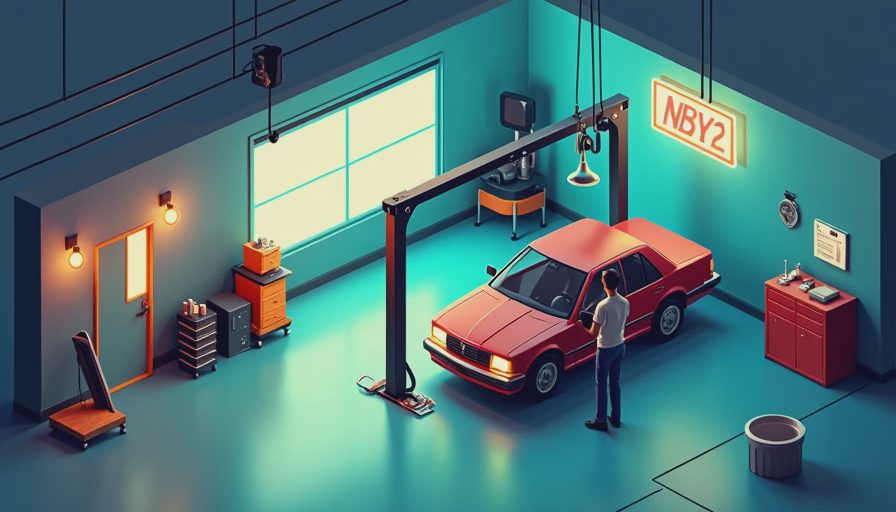
If you’ve ever asked yourself **when to flush brake fluid**, you’re not alone. I cover this question in every one of my community college automotive classes. Brake fluid is the lifeblood of your stopping system, but it doesn’t last forever. Let’s start with the basics and build from there.
Brake fluid is a hydraulic fluid that transfers the force from your brake pedal to the calipers and drums. It’s classified by DOT rating—DOT 3, DOT 4, and DOT 5.1 are common in passenger cars. All of them are **hygroscopic**, meaning they absorb moisture from the air over time. That’s the key reason you need to know **when to flush brake fluid**.
Why Moisture Is the Enemy
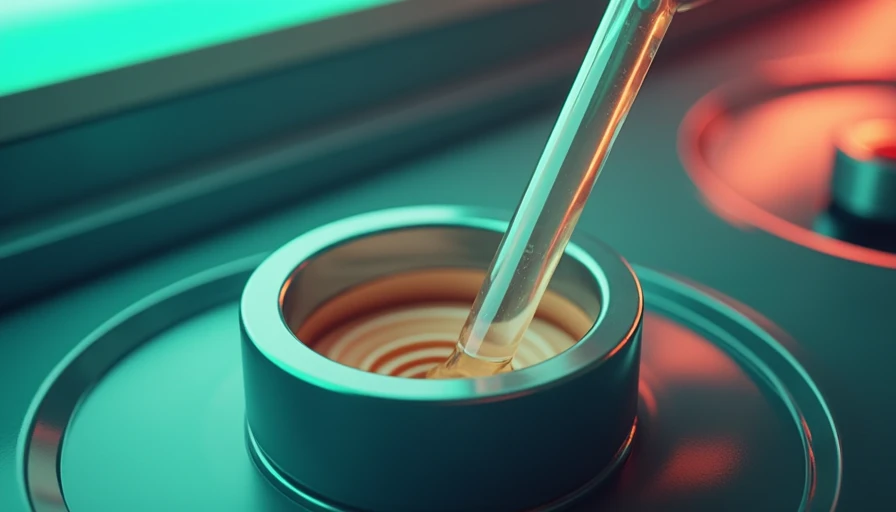
As brake fluid absorbs water, its boiling point drops. Under hard braking, the fluid can boil, creating vapor bubbles that are compressible. That leads to a spongy pedal—or worse, complete brake failure. In Georgia’s humid climate, I’ve seen fluid that’s only two years old test at 3% water content, which is already past the danger zone. A simple test with a brake fluid tester can tell you the moisture percentage in seconds.
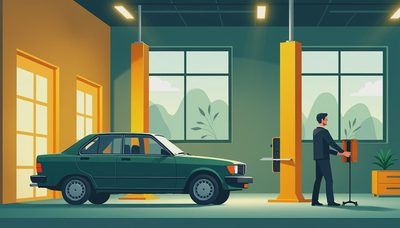
System Diagram reference: Imagine a closed hydraulic loop with a master cylinder pushing fluid through steel lines to each wheel. Moisture enters through the rubber hoses and reservoir cap—it’s unavoidable.
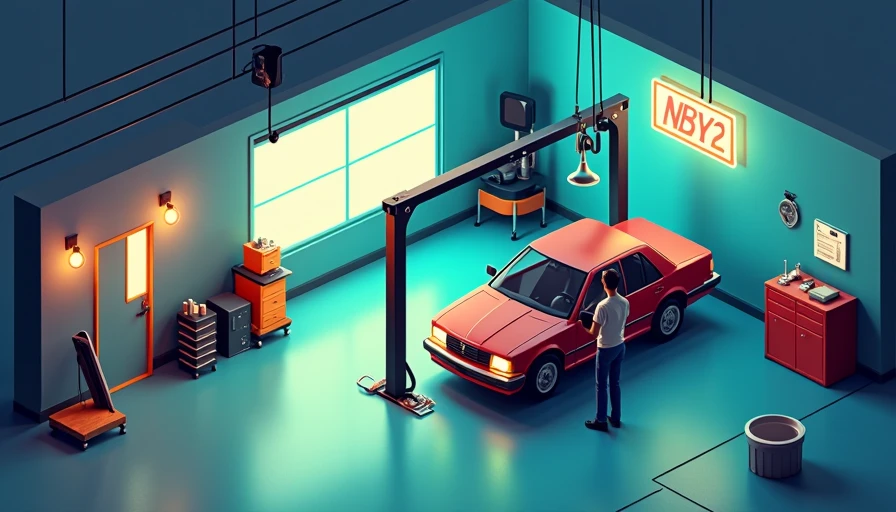
So, When to Flush Brake Fluid? The Official Answer
Most automakers recommend flushing brake fluid every **2 years or 30,000 miles**, whichever comes first. Check your owner’s manual—some manufacturers like BMW and Mercedes call for every 2 years, while others stretch to 3. But even if your manual says “lifetime,” I’d still flush it. “Lifetime” usually means the vehicle’s warranty period, not the car’s life.
Here’s a realistic schedule I teach my students:
- **Normal driving:** Every 2 years
- **Aggressive driving or towing:** Every year
- **If you never drive the car much:** Still every 2 years—moisture doesn’t care about miles
If you’re still unsure **when to flush brake fluid**, look for these symptoms:
- Spongy or soft brake pedal
- Dark, murky fluid in the reservoir (fresh fluid is clear to amber)
- ABS light turning on unexpectedly
- Brake pedal sinks slowly to the floor when held
Let me give you a real-world example. Last month, a student brought in a 2018 Honda Accord with 45,000 miles. The fluid was dark brown. I tested it: 4.2% moisture. The pedal felt fine in the driveway, but after a few hard stops, it went soft. We flushed the system with fresh DOT 4, and the pedal firmed right up.
The DIY Flush Procedure (If You Want to Tackle It)
Flushing brake fluid is a two-person job unless you have a pressure bleeder. Here’s the step-by-step:
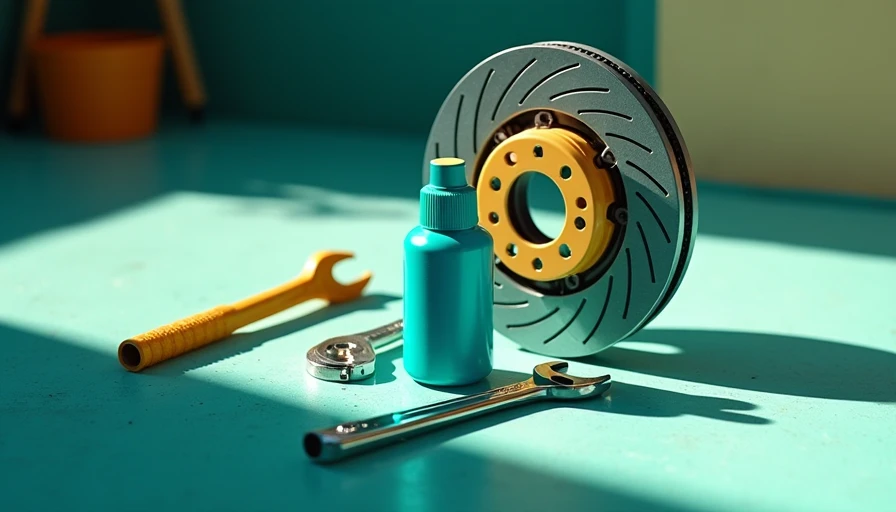
- **Gather supplies:** New DOT-rated fluid (check your cap), a turkey baster for the reservoir, a wrench for the bleeder screws, clear tubing, and a catch bottle.
- **Remove old fluid from reservoir** using the baster. Don’t let the reservoir run dry while bleeding.
- **Bleed in the proper order:** Start with the wheel furthest from the master cylinder (right rear for left-hand drive cars), then left rear, right front, left front.
- **Attach tubing** to the bleeder screw, submerge the other end in brake fluid in a bottle to prevent air backflow.
- **Have an assistant pump the pedal three times** and hold it down while you open the bleeder. You’ll see old fluid spurt out. Close the bleeder before they release the pedal.
- **Repeat** until clear fluid comes out, about 8-10 pumps per wheel. Keep the reservoir full.
What does this cost? A shop will charge **$80 to $120** for a flush. DIY cost is under **$20** for a quart of fluid, which is more than enough.
Common Mistakes to Avoid
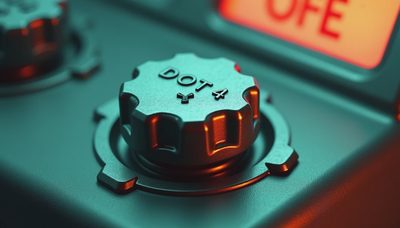
- **Mixing DOT fluids:** DOT 5 silicone-based fluid is purple and not compatible with DOT 3/4/5.1 (glycol-based). Using the wrong type can destroy seals. Always use the fluid printed on the cap.
- **Letting the reservoir run dry:** This pushes air into the ABS module, requiring a scan tool to bleed. That’s a $150 shop trip you just created.
- **Skipping the test drive:** After the flush, do a few backup–forward stops to cycle the ABS valves—especially important on systems with electronic stability control.
If you remember one concept from this post, make it this one: **Brake fluid is cheap; brake repairs are not.** Knowing **when to flush brake fluid** means you’ll never have to deal with a pedal-to-the-floor emergency.
Quick Quiz: Test Your Knowledge
- What is the standard flush interval for most vehicles?
a) 1 year / 15k miles
b) 2 years / 30k miles
c) 5 years / 60k miles
- What does “hygroscopic” mean?
a) Fluid that repels water
b) Fluid that absorbs water
c) Fluid that freezes in cold temperatures
- True or False: You can safely mix DOT 5 fluid with DOT 4 fluid.
**Answers:** 1 – b, 2 – b, 3 – False
Now you know exactly **when to flush brake fluid** and why it matters. Next time you’re in the garage, grab a brake fluid tester and check. Your safety depends on it.
No letters yet — be the first to write.