Using the wrong CVT fluid risks transmission failure so always verify manufacturer specs before servicing
Let's start with the basics and build from there. If you own a vehicle with a Continuously Variable Transmission (CVT), you are likely asking yourself one critical question: Do CVT transmissions need special fluid? The quick answer is yes. Understanding this isn't just about following rules; it is about protecting your wallet. Using the incorrect fluid can lead to decreased performance, increased wear, and even total transmission failure. Let's break down the engineering logic so you can maintain your vehicle's efficiency and longevity with confidence.
Why This Matters
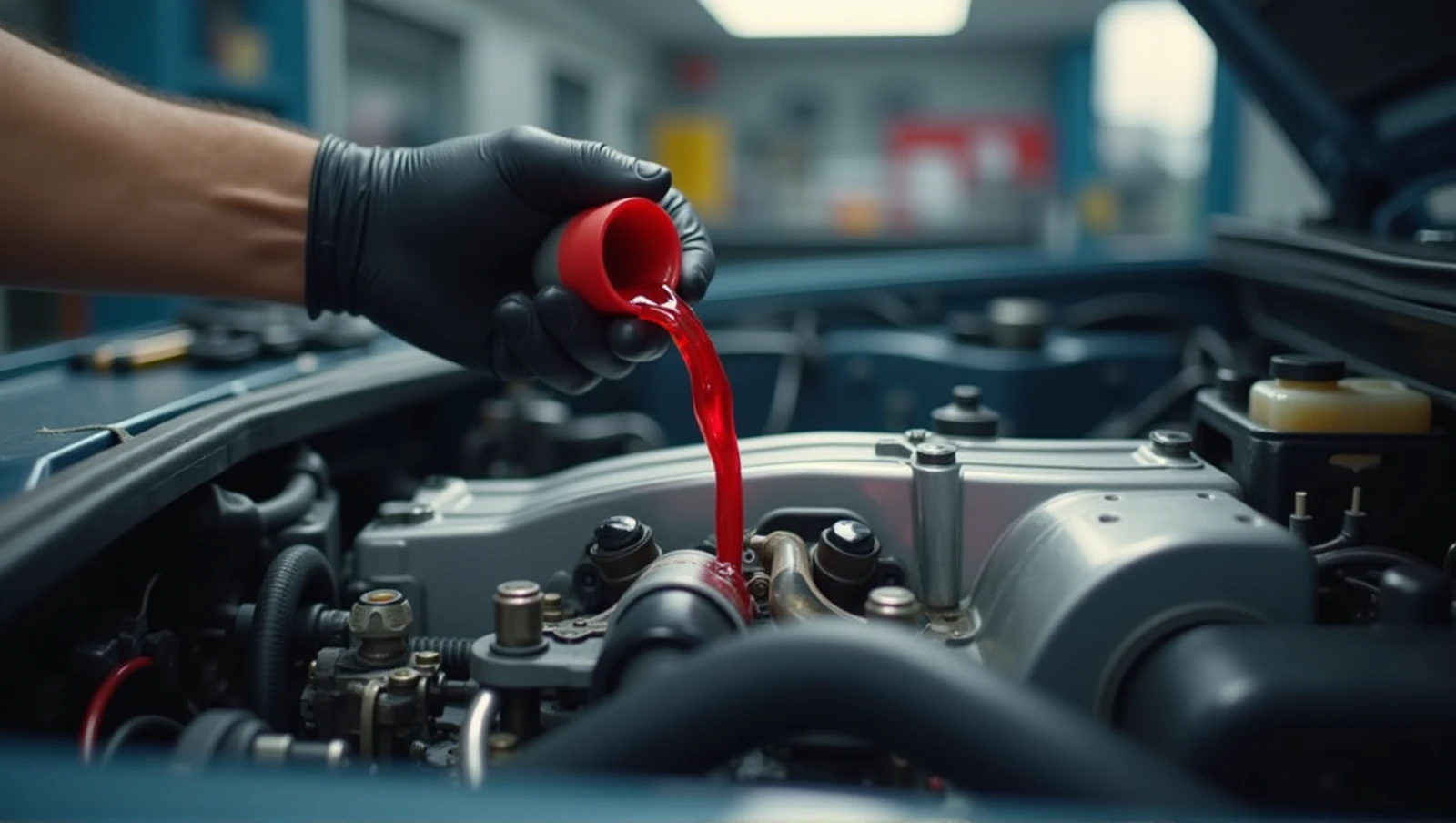
Think of transmission fluid as the lifeblood of your gearbox. In a CVT, this fluid is fundamental to maintaining the efficiency and longevity of your vehicle. The stakes are high. If you ignore the fluid requirements, you risk catastrophic transmission failure. On the other hand, using the right CVT fluid ensures optimal performance, protects your transmission from excess heat, and can prolong your transmission's life.
From an engineering standpoint, thermal stability is key. CVT fluid is designed to withstand high heat, ensuring the transmission stays cool even under heavy loads. If the fluid breaks down under heat, the internal components wear out faster. Stay on top of your vehicle's needs and always opt for the fluid recommended by the manufacturer for the best results.
What You Need to Know
Before we touch a wrench, we need to understand the materials involved. CVT transmission fluids come in synthetic and conventional forms. While synthetic fluids are typically more expensive, they offer better performance and longevity. However, cost isn't the only factor.
Quick Quiz: Can you use standard automatic transmission fluid in a CVT?
*Answer:* Generally, no. CVTs generally require special fluid, though some modern CVTs have been designed to work with more common types. You must refer to your vehicle's owner manual or consult with your mechanic to determine the right fluid for your specific model.
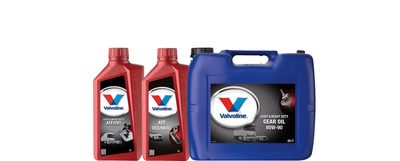
Quality matters significantly here. Stick with high-quality, reputable brands when choosing CVT fluid to ensure you're getting a product that meets industry standards. Using the wrong fluid could lead to decreased performance, increased wear, and even transmission failure. Always check your vehicle's owner manual for the manufacturer's recommended CVT fluid.
How It Works
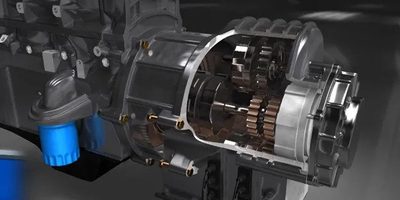
To understand why the fluid is so specific, we need to look inside the transmission. A CVT, or continuously variable transmission, is a type of automatic transmission that offers unlimited gear ratios. This innovative technology provides a smoother ride for you, eliminating the jerky gear changes that come with traditional transmissions.
[System Diagram Reference: Imagine a flow chart showing engine power moving to variable-width pulleys rather than fixed gears]
Instead of gears, CVTs use a pair of variable-width pulleys connected by a belt to transfer engine power to your wheels. This design allows for seamless acceleration and optimal fuel efficiency. Because there are no fixed gears, the friction requirements are unique. CVT-specific fluid is engineered to provide the optimal friction for the belt and pulley system, ensuring your transmission performs as it should. If the friction is too low, the belt slips. If it is too high, the components wear prematurely.
Pro Tip: When checking your fluid levels, ensure the vehicle is on level ground. An inaccurate reading can lead to overfilling or underfilling, both of which stress the pulley system.
Common Mistakes
One of the most frequent errors I see in the shop is assuming all transmission fluids are interchangeable. They are not. Despite what forums say, you cannot simply grab any bottle off the shelf. Using the wrong fluid could lead to decreased performance, increased wear, and even transmission failure.
Another mistake is ignoring the manual. Some owners assume that because their CVT is modern, it might work with more common types of transmission fluid. While some modern CVTs have been designed to work with more common types, you cannot assume this applies to your vehicle. Always refer to your vehicle's owner manual or consult with your mechanic to determine the right fluid for your specific model.
Neglecting quality is also a pitfall. Stick with high-quality, reputable brands when choosing CVT fluid to ensure you're getting a product that meets industry standards. Cheap fluids often lack the necessary thermal stability to withstand high heat, ensuring the transmission stays cool even under heavy loads.
Bottom Line
CVT transmissions do usually require special fluid. The right CVT fluid ensures optimal performance, protects your transmission from excess heat, and can prolong your transmission's life. Here is your action plan:
1. Locate your owner's manual.
2. Identify the manufacturer's recommended CVT fluid.
3. Choose a high-quality synthetic or conventional form as specified.
4. Verify the fluid meets industry standards.
Curious to learn more about what a CVT Transmission fluid change costs? See our previous blog post: Understanding the Costs of a CVT Fluid Change. Stay on top of your vehicle's needs and always opt for the fluid recommended by the manufacturer for the best results.