Stop Safely and Avoid Costly Repairs with Proper Brake Fluid Maintenance
Let's start with the basics and build from there. When you press the brake pedal, you expect the vehicle to stop. That expectation relies on a hidden component often overlooked during routine maintenance: brake fluid. Neglecting brake fluid maintenance can lead to decreased braking performance and potential safety hazards. By understanding the system, you protect your wallet and your safety.
Why This Matters
Brake fluid is the hydraulic lifeline of your braking system. It ensures the efficient and controlled transfer of force, allowing you to bring your vehicle to a stop smoothly and safely. When this fluid degrades, the physical connection between your foot and the wheels weakens.
Think of it like this: if the fluid fails to transfer pressure correctly due to contamination or moisture, your stopping distance increases. In an emergency situation, that difference matters. Regular maintenance prevents the need for costly repairs associated with damaged brake components caused by old, corrosive fluid.
What You Need to Know
Before we inspect the system, we need to define the technical terms involved. Brake fluid is a specially formulated hydraulic fluid. Hydraulic systems use fluid pressure to generate force. When you press the brake pedal, the pressure exerted on the brake fluid is transmitted through the brake lines to the brake calipers or wheel cylinders.
A critical property of brake fluid is that it is hygroscopic. This means it can absorb moisture from the air over time. Moisture-contaminated brake fluid can lead to a decrease in boiling point, resulting in reduced braking performance.
System Diagram Reference: Visualize a closed loop. Pedal -> Master Cylinder -> Fluid Lines -> Calipers -> Pads -> Rotors. The fluid fills every gap in this line.
Quick Quiz: What color is fresh brake fluid?
A) Dark Brown
B) Clear or Slightly Yellow
C) Bright Red
*Answer: B. Fresh brake fluid is typically clear or slightly yellow.*
How It Works
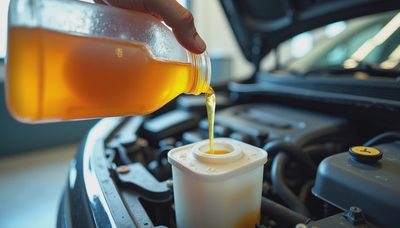
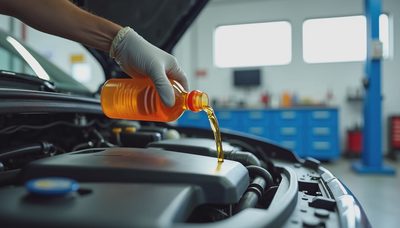
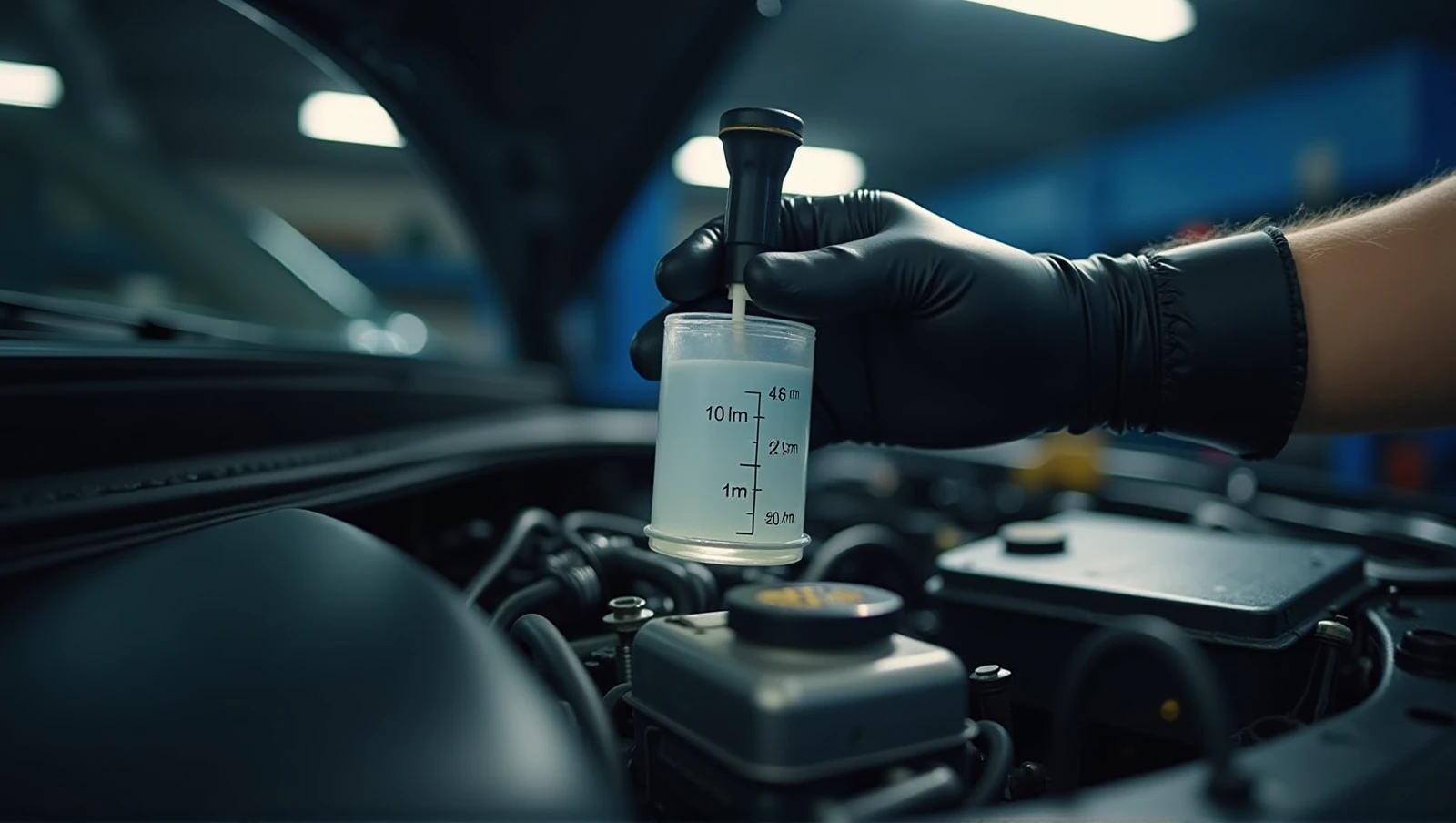
Maintenance begins with regular inspections. Most vehicles have a transparent brake fluid reservoir under the hood. You can visually inspect the fluid level, which should be between the "min" and "max" marks. A significant drop in the brake fluid level may indicate a leak in the system, and this should be addressed immediately.
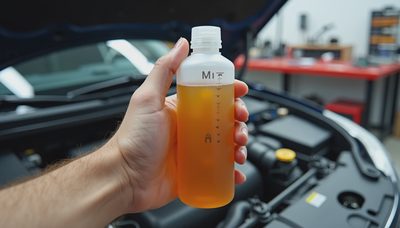
Next, check the fluid color. Over time, it can darken due to oxidation and contaminants. If you notice that your brake fluid has turned dark or murky, it's a sign that it may be time for a replacement.
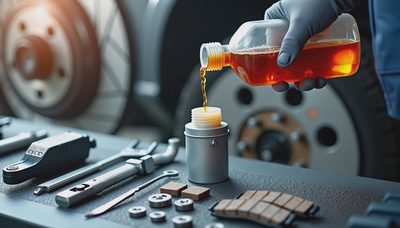
For a deeper analysis, some brake fluid testers can measure moisture content, providing you with a clear indication of the fluid's condition. If the fluid is compromised, a brake fluid flush is required. This maintenance procedure involves removing the old brake fluid from the entire system and replacing it with fresh fluid. This process eliminates impurities, ensuring the brake fluid is in its purest form, and maintains the boiling point necessary for safe operation.
Pro Tip: When checking the reservoir, wipe the cap clean before opening it. Dirt falling into the reservoir can contaminate the entire hydraulic system.
Common Mistakes
One of the most critical aspects of brake fluid maintenance is adhering to the manufacturer's recommendations. These guidelines can typically be found in your vehicle's owner's manual. Manufacturers provide specific intervals for brake fluid replacement, taking into account the type of brake fluid used and the driving conditions.
A common myth is that fluid lasts forever if the level looks fine. This is false. Because the fluid is hygroscopic, it absorbs moisture even if the level remains stable. Neglecting brake fluid maintenance can lead to decreased braking performance and potential safety hazards.
Another mistake is ignoring the color change. Many owners assume dark fluid is normal wear. It is not. Dark or murky fluid indicates oxidation and contaminants that a simple top-off cannot fix.
Bottom Line
Your braking system is only as good as the fluid inside it. Start by locating your transparent brake fluid reservoir under the hood. Check that the level sits between the "min" and "max" marks. Inspect the color; if it is dark or murky, plan for a replacement.
Most importantly, follow the recommendations diligently, as they are tailored to your specific make and model. Find these intervals in your vehicle's owner's manual. A brake fluid flush removes old, moisture-contaminated fluid and replaces it with dry, clean fluid. By treating brake fluid as a critical safety component rather than an afterthought, you ensure a smooth and safe ride for the long haul.