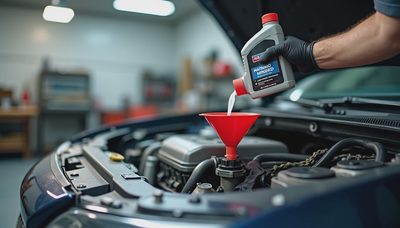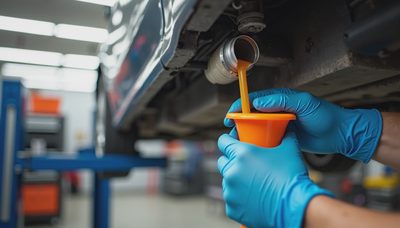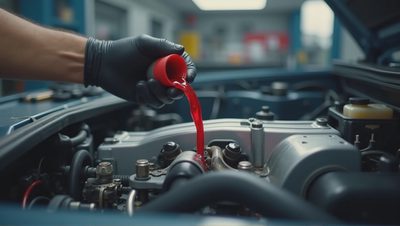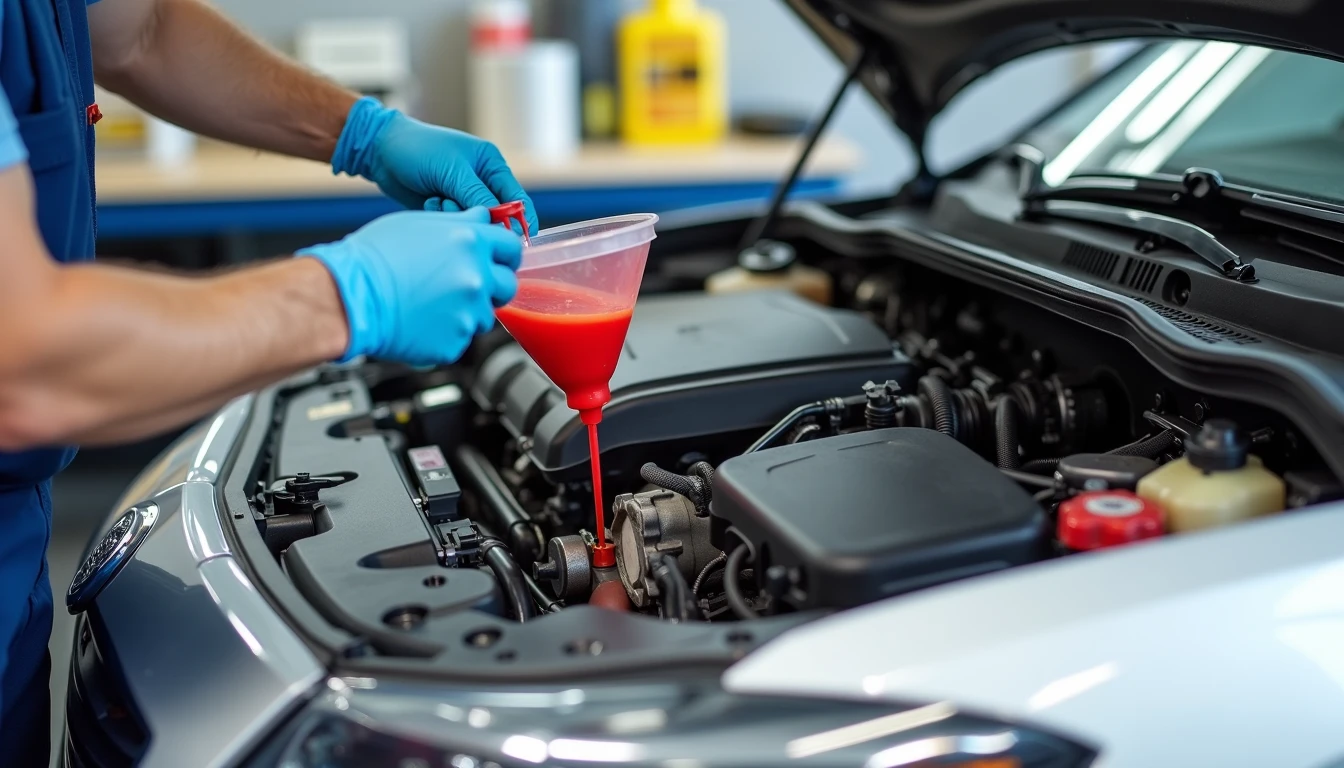
Using the right automatic transmission fluid can prevent premature transmission wear and costly damage.
Why This Matters (cost/safety/longevity payoff)
Automatic transmissions (the self-shifting gearbox in most daily drivers) generate friction and heat every time you accelerate, stop, or cruise. Friction without lubrication equals wear, and wear turns into slipping shifts, overheating, and eventually major repairs.
Automatic Transmission Fluid (ATF) is the lifeblood that makes an automatic transmission function. It lubricates (reduces friction between moving parts), cools (carries heat away), and in many designs it also acts as a hydraulic fluid (a fluid that transmits force/pressure to operate valves and clutches). If you use the wrong ATF type, you can create shift problems or even damage the transmission.
Let’s start with the basics and build from there.
System Diagram (in your head):
Engine → Torque converter (fluid coupling) → Transmission (gears + clutch packs + valves) → Driveshaft/axles
ATF flows through all of it, carrying heat and transmitting pressure.
What You Need to Know (specs, types, intervals)
What ATF is (and how to identify it)
- Automatic Transmission Fluid (ATF): A specialized oil for transmissions; it’s typically red, pink, or green to help distinguish it from motor oil and to make leaks easier to spot.
- Important difference from engine oil: ATF is checked while the engine is running, unlike motor oil.
What ATF does (core jobs)
- Lubrication: Prevents wear in drivetrain components (the parts that deliver power to the wheels).
- Hydraulic action: In an automatic transmission, ATF is used as a hydraulic fluid to apply clutches and operate control valves.
- Torque converter operation: ATF is vital in the torque converter (the fluid coupling between engine and transmission). The parts inside do not actually contact each other; fluid viscosity (how thick the oil is at a given temperature) helps the engine side drive the impeller.
Where else ATF might be used
Depending on vehicle design, ATF may also be used:
- As a hydraulic fluid in some power assisted steering systems
- As a lubricant in some 4WD transfer cases
- Even in some modern manual transmissions
- Continuously variable transmissions (CVT) and dual-clutch transmissions use an even more specialized fluid (don’t assume standard ATF applies).
What ATF is made of
Most ATF types consist of:
- 85 to 90% base oil
- 10 to 15% additives
As transmissions and engine bays have gotten hotter over the decades, ATF has been required to:
- Flow well at low temperatures, and
- Withstand high heat, especially in high-stress front wheel drive systems.
Some older formulations included zinc as an additive, but it has been phased out in recent years.
Modern ATF types and typical applications (from the source)
Use only what your vehicle requires. ATF is not “one-size-fits-all.”
- ATF+4 — Most Dodge, Jeep, and Chrysler
- MERCON V — Most Ford, Mercury, Lincoln
- MERCON LV — Some Ford (DuratecHE), Mazda in Europe or Asia
- DEXRON VI — Most GM and pre-2004 Toyota products, some Ford applications
- ATF DW-1 — All Honda and Acura (except CVT)
- SP-III — All Hyundai, Mitsubishi and Kia (except CVT and dual clutch)
- Matic S, Matic K, Matic D — Jatco transmissions used in Nissan and Subaru vehicles
- Toyota ATF-WS — All 2004 and later Toyota including hybrids
Warning (non-negotiable): Always check your owner’s manual, dealer, mechanic, or another reliable source to verify the correct fluid. Using the wrong fluid may damage your transmission.
How It Works (step-by-step or explanation)
How to check ATF correctly (basic workflow)
Because ATF is checked with the engine running, the logic is: you want fluid circulating so the reading reflects real operating conditions.
Step-by-step (general process, confirm your vehicle’s procedure):
1. Park on a level surface and secure the vehicle.
2. Start the engine and let it idle (engine running is a key difference from motor oil checks).
3. Locate the transmission dipstick (if equipped) and check level/condition.
What you’re looking for:
- Color: ATF is typically red/pink/green. A noticeable change in color can help you spot leaks and also signals aging or contamination in some cases.
- Consistency: ATF should feel like an oil, but keep in mind it’s engineered for hydraulic and friction-control behavior, not just “slipperiness.”
Quick Quiz:
1) True or False: You check ATF with the engine off, like motor oil.
2) Name one other system that may use ATF besides an automatic transmission.
Why “type” matters more than people think
Unlike motor oil (which is generally similar across brands), ATF has a different type for almost every automotive group, and can also vary by generation and transmission model. Even within the same manufacturer family, the required ATF can change across years or transmission designs.
System Diagram (fluid compatibility):
Transmission design + clutch material + valve body calibration → requires specific ATF friction properties → wrong ATF = wrong clutch engagement behavior
Changing ATF (what the source provides)
The source references a how-to video (ChrisFix) for changing automatic transmission fluid and lists items/tools used:
Items Used (from the source):
- Funnel
- Silicone paste
- Abrasive scouring pad
Tools Used (from the source):
- Low-torque (inch-pound) 1/4" torque wrench
- Nitrile disposable work gloves
Pro Tip: A low-torque inch-pound torque wrench matters because many transmission pan bolts are small and easy to strip if overtightened.
Common Mistakes (myths, pitfalls, warnings)
Mistake 1: Treating ATF like “universal red fluid”
ATF is not universal. The source explicitly warns: Using the wrong fluid may damage your transmission. Always verify the exact required type.
Mistake 2: Checking ATF like engine oil
Motor oil is checked with the engine off. ATF is checked with the engine running. If you check it incorrectly, you can misread the level and make bad decisions.
Mistake 3: Ignoring safety: ATF is flammable and slippery
- Flammability: ATF is quite flammable—not as flammable as gasoline, but much more flammable than motor oil. Open containers can be dangerous because it is possible to ignite with a spark.
- Slip hazard: ATF is extremely slippery, even more than engine oil. Clean spills immediately.
Pro Tip: Treat ATF spills like ice on a garage floor. Stop the job and clean it up before you keep moving around the car.
Mistake 4: Assuming “special transmissions” use the same fluid
CVTs and dual-clutch transmissions use even more specialized fluid. Don’t guess, don’t follow forum shortcuts, and don’t assume a bottle that “looks close” is acceptable.
Bottom Line (summary, recommended action)
Automatic Transmission Fluid is a multi-job fluid: it lubricates, cools, and provides hydraulic force, and it’s essential for torque converter operation. The practical takeaway is simple: use the correct ATF type for your exact vehicle and check it the right way (engine running). ATF is also a real safety concern in the shop because it’s both flammable and extremely slippery—handle and clean it accordingly.