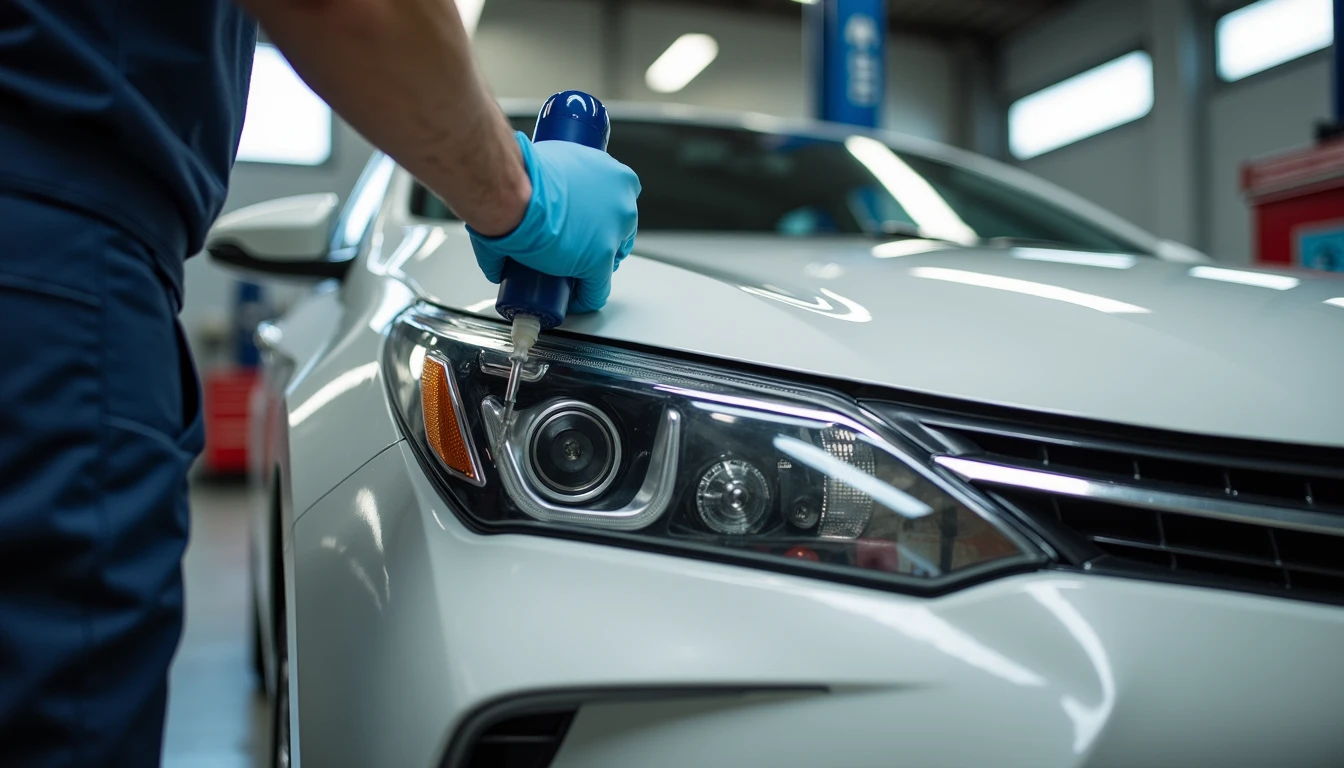
A brake fluid flush protects your stopping power and can help avoid costly brake system corrosion
Why This Matters (cost/safety/longevity payoff)
Your brake system is your car’s main safety system, and it only works as well as the fluid inside it. A brake fluid flush (replacing old brake fluid with fresh fluid) helps keep your Toyota’s braking performance consistent and reliable—especially when you need maximum stopping power.
Here’s the wallet angle: old brake fluid can become contaminated with moisture and debris, and that contamination can contribute to corrosion (rust/chemical damage) and component failure inside the braking system. Those repairs can get expensive fast compared to routine maintenance. Chicago Northside Toyota specifically warns that neglected fluid can lead to “costly damage like corrosion or component failure,” which is exactly what we’re trying to prevent.
Let’s start with the basics and build from there: your brakes don’t just rely on pads and rotors—they rely on hydraulic pressure, and brake fluid is what transmits that pressure.
What You Need to Know (specs, types, intervals)
What a brake fluid flush is (definition)
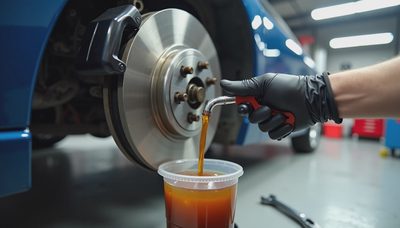
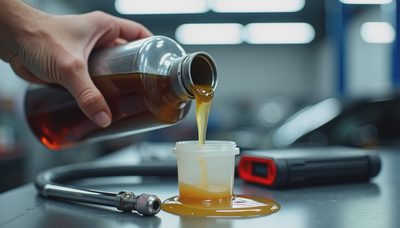
A brake fluid flush involves removing the old, contaminated brake fluid from your Toyota’s braking system and replacing it with fresh fluid. The goal is to restore the fluid’s ability to transmit pressure consistently for safe braking.
Why brake fluid “goes bad”
Brake fluid is designed to work under high heat and pressure, but over time it can:
- Absorb moisture (water contamination)
- Collect debris (small particles/contaminants)
According to the source, moisture and debris contamination can compromise brake performance and safety.
What improvements you should expect
Per the source: Yes, a brake fluid flush can improve braking because replacing old fluid with fresh fluid helps restore “full braking power,” supporting consistent pedal pressure and responsiveness.
Disposal matters (hazardous waste)
Old brake fluid is considered hazardous waste. The source notes that Chicago Northside Toyota disposes of old brake fluid safely and follows environmental regulations for proper handling and recycling.
Pro Tip: Don’t dump brake fluid on the ground, into a drain, or into household trash. Treat it like a chemical—because it is.
Interval/spec note
The source emphasizes “regular” brake fluid flushes and “regular fluid inspections,” but it does not provide a mileage- or time-based interval or a fluid specification (such as a DOT rating). So the only accurate guidance we can take from the source is this: schedule flushes regularly and inspect fluid regularly to prevent corrosion and component failure.
How It Works (step-by-step or explanation)
System Diagram (mental model)
System Diagram (reference):
Brake pedal → master cylinder (creates hydraulic pressure) → brake fluid (transmits pressure) → brake lines → calipers/wheel cylinders (apply braking force)
If the brake fluid is contaminated with moisture/debris, pressure transfer and system reliability can suffer—plus internal corrosion risk increases.
What “consistent pedal pressure” really means
When you press the brake pedal, you’re counting on the fluid to behave predictably. Fresh fluid helps maintain:
- Consistent pedal pressure (pedal feel and braking force match your input)
- Responsiveness (brakes react quickly and repeatably)
What happens during a flush (practical overview)
A proper flush is fundamentally a remove-and-replace procedure:
1. The old fluid is removed from the braking system.
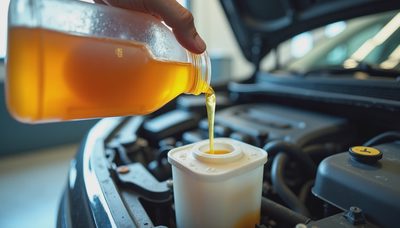
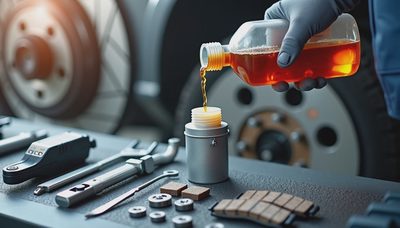
2. Fresh brake fluid is added to replace it.
3. The objective is to leave the system filled with clean fluid, not a mix of old and new.
Since the source is dealership-oriented, it doesn’t list the exact procedural steps or tools, but the key takeaway is the purpose: remove contaminated fluid so the system can maintain optimal braking performance.
Pro Tip: If you’re booking service, ask the shop to confirm they’re doing a true flush (removing old contaminated fluid) rather than only “topping off” the reservoir. A top-off dilutes the problem; it doesn’t remove contamination.
Quick Quiz (knowledge check)
1) What two contaminants does the source say can build up in brake fluid over time?
2) True or false: A brake fluid flush can improve braking responsiveness.
3) What does the source say happens to old brake fluid after a flush?
(Answers: 1) moisture and debris, 2) true, 3) it’s treated as hazardous waste and disposed of safely following regulations.)
Common Mistakes (myths, pitfalls, warnings)
Mistake 1: Waiting until the brakes “feel bad”
Brake fluid problems can be gradual. The source’s warning is clear: contaminated fluid can compromise performance and safety. Don’t use a “wait for symptoms” strategy on brakes.
Mistake 2: Ignoring fluid inspections
Chicago Northside Toyota recommends regular fluid inspections to prevent expensive damage. Skipping inspections increases the odds you’ll miss early contamination that can lead to corrosion.
Mistake 3: Assuming brake fluid lasts forever
Brake fluid doesn’t last indefinitely. The source states it absorbs moisture and debris over time, which can reduce effectiveness.
Mistake 4: Mishandling old brake fluid
Brake fluid is hazardous waste. Treating it like normal garage waste is a safety and environmental mistake. The source notes proper disposal and recycling practices are required.
Bottom Line (summary, recommended action)
A Toyota brake fluid flush is a safety-first maintenance item that helps maintain optimal braking performance by removing old, moisture- and debris-contaminated fluid. Clean brake fluid supports consistent pedal pressure and responsiveness, and it can help reduce the risk of corrosion and component failure over time.
If you want the practical takeaway: schedule regular brake fluid inspections and don’t put off a flush once contamination is suspected—because brake fluid condition directly affects stopping power and long-term brake system reliability.