Choosing the best transmission fluid is not simply a matter of grabbing the most expensive bottle on the shelf. The correct fluid protects clutches, gears, seals, bearings, and valve bodies while helping the transmission shift smoothly. The wrong product can cause slipping, delayed engagement, noise, or costly internal damage. Let's start with the basics and build from there.
What transmission fluid actually does
Automatic transmission fluid, commonly called ATF, is a specialized hydraulic and lubricating fluid. Hydraulic means it transfers pressure through the transmission's passages and valves. That pressure applies clutch packs and bands, allowing the vehicle to select different gears. The fluid also carries heat to the transmission cooler, cleans small particles toward the filter, and protects metal surfaces from corrosion.
A traditional automatic transmission uses several carefully balanced properties. Friction modifiers control how clutch materials engage, anti-wear additives protect loaded parts, and detergents help manage deposits. Viscosity describes how easily a fluid flows at different temperatures. A fluid that is too thick can delay cold shifts; one that is too thin can reduce hydraulic pressure and protection when hot.
For a continuously variable transmission, or CVT, the fluid has a different job. A CVT uses a belt or chain and variable pulleys rather than fixed gearsets. Its fluid must provide specific friction behavior and protect the pulley surfaces. CVT fluid is not a substitute for ordinary ATF, even if the bottles look similar.
Start with the vehicle specification
The best transmission fluid is the one that meets your vehicle manufacturer's exact specification. Open the owner's manual and look under transmission service, fluids, capacities, or maintenance. Some manuals list a brand, but the specification number is usually more important. Examples include Dexron-VI, Mercon LV, Toyota Type T-IV, Honda ATF-DW1, and Nissan NS-3. These names are not interchangeable labels.
The transmission model can matter as much as the vehicle's year. A 2016 sedan might use one fluid in its six-speed automatic and a different product in an optional CVT. A trim package, engine choice, or all-wheel-drive system can change the requirement. If the manual is missing, use the manufacturer's online service information or ask a dealer parts department using the vehicle identification number, or VIN.
Do not rely only on color. New ATF is often red, while some newer fluids are amber or nearly clear. Color is not a specification, and used fluid darkens from heat and normal clutch wear. The words universal or multi-vehicle on a label are useful only when the label clearly lists the required approval or compatibility for your transmission.
Compare fluid types and labels
Conventional automatic fluid uses a mineral-oil base, while synthetic fluid uses engineered base oils designed for more consistent performance across temperature changes. Synthetic ATF often costs about $9 to $18 per quart, compared with roughly $6 to $12 for conventional products. Price alone does not prove that one is correct, but synthetic formulations can be valuable for vehicles that face towing, steep grades, extreme cold, or heavy stop-and-go traffic.
Look for statements such as meets the requirements of a specification, not vague claims that a product is suitable for all cars. Valvoline, Castrol, Mobil, Red Line, and Amsoil each sell transmission fluids for different applications, but no brand is automatically the best transmission fluid for every vehicle. A well-known product that lacks your required specification is still the wrong purchase.
Manual transmissions need another careful distinction. Some use manual transmission fluid, some use gear oil, and others specify automatic fluid. Gear oil may have a higher viscosity and a different additive package. Installing it where ATF is required can make synchronizers operate poorly. Synchronizers are friction devices that match gear speeds during a shift, so their required fluid behavior is precise.
Change intervals, level, and service method
A fluid change interval depends on the transmission design, driving conditions, and manufacturer's schedule. Many modern vehicles use a maintenance range from about 30,000 to 100,000 miles, while some describe the fluid as filled for life. That phrase does not mean the fluid cannot age; it usually reflects expected service conditions and ownership assumptions. Towing, repeated short trips, mountainous roads, and high heat justify closer attention.
A drain-and-fill removes only the fluid that leaves the pan, often 30% to 60% of the total system capacity. A flush or exchange replaces more fluid, but high-pressure equipment and incorrect procedures can create problems on neglected transmissions. A pan service may also replace a filter and clean accumulated material. The best transmission fluid cannot compensate for an incorrect level, a clogged filter, or a leaking seal.
Always check the level using the manufacturer's procedure. Some transmissions require the engine running, a specific fluid temperature, and a scan tool to measure temperature. Others have no dipstick and use an overflow plug. Adding fluid without following that procedure can leave the unit overfilled or dangerously low.
Symptoms that deserve attention
Fresh fluid is not a cure for every shifting problem. Red or brown fluid with a mild petroleum smell can be normal depending on age, but a burnt odor, metal flakes, foamy appearance, or milky color deserves investigation. Milky fluid can indicate water or coolant contamination. A low level often causes delayed engagement, slipping, whining, or harsh shifts because the pump cannot maintain stable hydraulic pressure.
Check the ground and transmission case for wet spots. Red fluid commonly points toward an automatic transmission leak, but modern fluids can be difficult to identify by color alone. A repair shop can use the vehicle's service data and inspect the pan, cooler lines, axle seals, and electrical connectors. If the transmission is slipping badly, continuing to drive can turn a manageable leak or solenoid issue into a rebuild costing several thousand dollars.
A practical buying and service checklist
Before buying the best transmission fluid, write down the vehicle year, make, model, engine, drivetrain, transmission type, and required specification. Confirm the number of quarts needed for a drain-and-fill rather than the larger total capacity. Buy an extra quart when the product is difficult to find, but do not pour it in automatically. You need enough for the service procedure, not an overfilled case.
Next, inspect the seal on every bottle, compare the label with the owner's manual, and keep the receipt. If a shop performs the work, ask which specification it installed and whether the invoice lists the fluid quantity. A typical drain-and-fill may cost roughly $120 to $250 at an independent shop, while a dealership service can cost more because of labor rates and model-specific procedures. DIY work can reduce the bill, but only if the vehicle can be safely lifted and the level procedure is understood.
Quick Quiz: Which matters more than a famous brand name: the fluid's color, its price, or the manufacturer's specification? The answer is the specification. If you remember one concept from this post, make it this one: the best transmission fluid is the correctly specified fluid installed at the correct level.
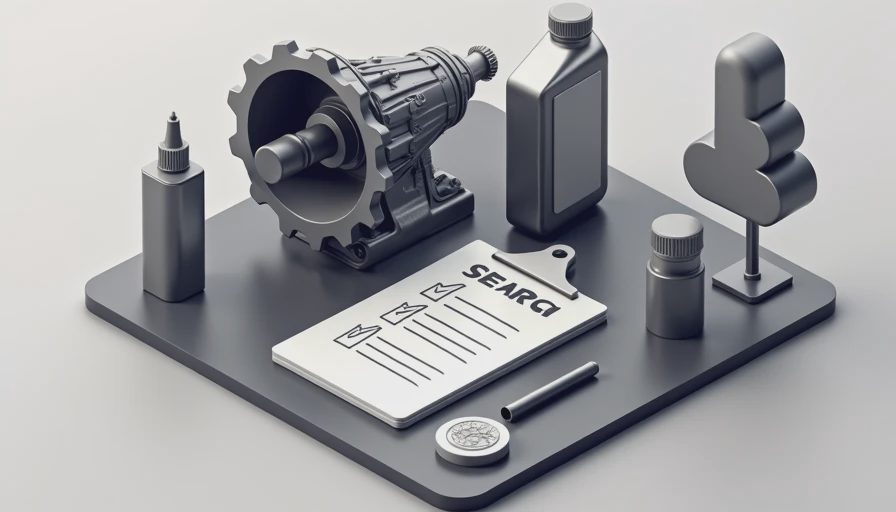
System Diagram reference: Picture the transmission as a pump, valve body, clutch packs, gearsets, cooler, filter, and pan connected by fluid passages. If the fluid specification, pressure, temperature, or level is wrong, the entire system feels the effect. Match the product to that system, follow the service instructions, and your transmission has a much better chance of delivering smooth, reliable shifts.



No letters yet — be the first to write.