
If you want to avoid a very expensive transmission repair, learning **how to change CVT fluid** is worth your time. A continuously variable transmission, or **CVT**, uses belts, pulleys, and hydraulic pressure to vary gear ratios smoothly. The fluid does more than lubricate. It also helps transfer pressure, control heat, and protect internal parts from wear. When that fluid gets old, the CVT can shudder, slip, overheat, or respond slowly. Let's start with the basics and build from there. If you remember one concept from this post, make it this one: using the correct CVT fluid and setting the level properly matters more than rushing through the job.
What CVT fluid does and why the service matters
A CVT is different from a traditional automatic transmission. Instead of fixed gear sets making distinct shifts, a CVT changes ratio continuously. That means fluid chemistry is a big deal. The wrong friction characteristics can affect belt grip, pulley operation, and valve body performance. A **valve body** is the hydraulic control unit that directs fluid pressure inside the transmission.
Most owners asking **how to change CVT fluid** are really trying to solve one of three problems: rough acceleration, delayed engagement, or preventive maintenance. In many cases, a simple drain-and-fill helps more than people expect, especially if the old fluid is dark or has a burnt smell. A drain-and-fill means removing some fluid from the pan area and replacing the same amount with new fluid. It is safer for many aging CVTs than an aggressive machine flush.
A typical DIY service might cost about $60 to $180 in fluid and washers, depending on the vehicle and whether the transmission uses a specific branded fluid from Nissan, Honda, Subaru, Toyota, or another manufacturer. That is a lot cheaper than a replacement CVT, which can run into the thousands.

Before you begin: tools, fluid, and the biggest mistake to avoid
The most important part of **how to change CVT fluid** happens before you loosen a single bolt: confirm the exact fluid specification. CVTs are picky. Do not assume any universal automatic transmission fluid is acceptable. Check the owner's manual, factory service information, or a trusted parts catalog by year, make, model, and engine. For example, some Nissan models call for NS-2 or NS-3, Honda uses HCF-2 in many newer applications, and Subaru often specifies CVTF formulations that are not interchangeable.
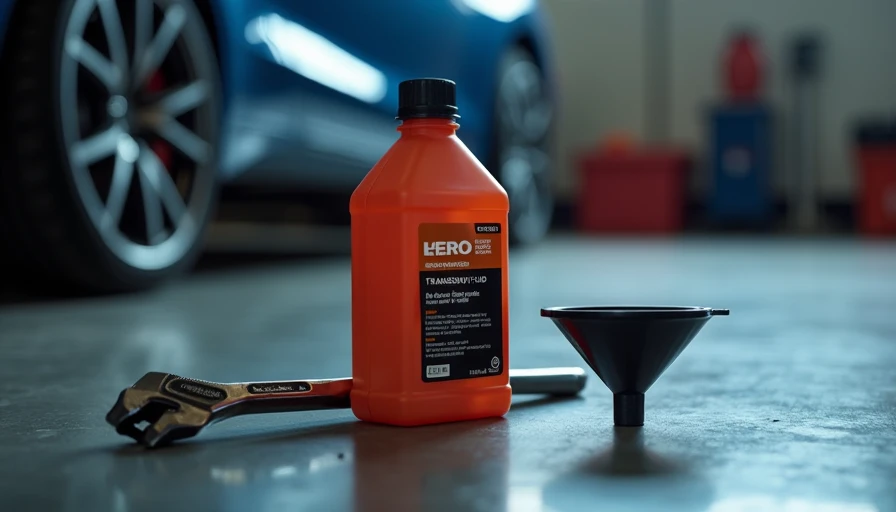
You will usually need jack stands or ramps, a drain pan, a socket set, gloves, a fluid transfer pump or long funnel, a measuring container, and often new crush washers for the drain and fill plugs. A **crush washer** is a soft sealing ring that compresses when tightened to help prevent leaks.
System Diagram reference: picture the process in four stations — warm fluid, drain fluid, refill measured amount, then verify final level at the correct temperature.
The biggest mistake is overfilling or underfilling. Too little fluid can reduce pressure and cooling. Too much can aerate, meaning the fluid gets mixed with air bubbles, which hurts hydraulic control.
Step-by-step: how to change CVT fluid safely
Start by warming the vehicle with a short drive, usually 10 to 15 minutes. Warm fluid drains more completely. Park on level ground, set the parking brake, and support the car safely. Find the drain plug and the fill plug before draining anything. If you can drain it but cannot refill it, your day gets bad quickly.
Place the drain pan under the transmission and remove the drain plug carefully. Measure what comes out. This matters because many DIY procedures for **how to change CVT fluid** use the drain volume as the refill target. If 4.2 quarts come out, begin by putting 4.2 quarts back in. Reinstall the drain plug with a new washer and tighten it to the correct torque if you have the specification.
Now add the new fluid through the fill port using a pump or funnel. Start the engine, hold the brake, and slowly move the shifter through each position for a few seconds. This circulates fluid through the valve body and pulleys. Then return to park.
Some vehicles use a dipstick, but many modern CVTs use a level check plug and a temperature range. That means the final fluid level is checked with the transmission at a specified temperature, often using a scan tool. This is one reason factory procedures matter.
Drain-and-fill vs. flush, filters, and service intervals
When people search **how to change CVT fluid**, they often ask if they should flush the whole system. My usual teaching answer is simple: skip the aggressive flush unless the manufacturer specifically recommends that method and you know the machine is using the correct fluid. A drain-and-fill is lower risk and easier to control.
Some CVTs also have serviceable filters or screens, but not all are easy to access. A **filter** traps debris suspended in the fluid, while a **screen** catches larger particles. On certain vehicles, replacing the external filter during service is smart. On others, the internal filter is not part of routine maintenance without pan removal. Check the service information for your exact model.
Service intervals vary widely. Many owners do a drain-and-fill around 30,000 to 60,000 miles if the vehicle sees city driving, heat, hills, or frequent stop-and-go use. Severe use shortens fluid life because heat breaks down additives faster. If you tow, carry heavy loads, or sit in traffic daily, shorter intervals make sense.
Symptoms after service and how to know the job went well
Right after a proper service, the transmission should feel normal or slightly smoother, not worse. Small changes in feel can happen as fresh fluid circulates, but obvious slipping, flaring RPM, harsh engagement, or warning lights mean stop and recheck your work. **Flaring RPM** means engine speed rises without matching vehicle acceleration, often pointing to poor ratio control or low fluid.
Inspect for leaks at the drain and fill points after the first drive. Then check again the next day. If your model has a temperature-based level procedure, do not skip that final verification step. It is the difference between guessing and finishing correctly.
Quick Quiz:
- What does a drain-and-fill replace? Only part of the total fluid volume.
- Why is exact fluid type critical? CVTs depend on specific friction and hydraulic properties.
- What is the most common DIY mistake? Incorrect fluid level.
If you remember one concept from this post, make it this one: **how to change CVT fluid** is less about speed and more about accuracy. Use the right specification, measure what came out, follow the temperature-based level procedure, and choose a careful drain-and-fill over shortcuts. That approach protects the transmission, your wallet, and your confidence the next time you work in the driveway.


No letters yet — be the first to write.