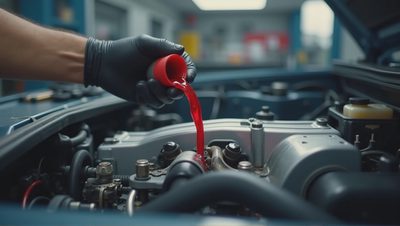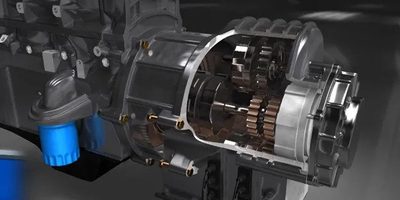
Transmission fluid serves three critical functions: it cools internal components, cleans the system, and generates the hydraulic pressure required for smooth gear changes. Commercial vehicles place extraordinary demands on this fluid — heavy payloads and extended routes push it far harder than typical passenger car use. It must absorb heat generated under intense operating conditions while keeping metal parts from wearing against each other.
Consider the relationship between engine and transmission like this: if the engine is the heart of your vehicle, the transmission is its spine. All the horsepower your engine produces means nothing if the transmission cannot efficiently deliver that power to the wheels — leaving you with an exceptionally costly piece of stationary equipment.
In an individual vehicle, a neglected transmission is a frustrating inconvenience. Across a fleet, it becomes a costly and repeating pattern. Transmission repairs rank among the most expensive in commercial vehicle maintenance, frequently demanding a full rebuild or outright replacement. The financial impact extends well beyond repair bills — missed deliveries, rescheduled jobs, and frustrated clients all add to the damage every time a vehicle goes off the road.
As transmission fluid degrades, it loses viscosity and thermal capacity, triggering gear slippage, sluggish shifting, and potentially total transmission failure. For fleet managers, that translates directly to unplanned maintenance and grounded vehicles. For technicians, it means addressing failures that a routine fluid inspection and timely change could have prevented entirely.
This is exactly where a disciplined preventive maintenance programme proves its worth. It lacks glamour, but a well-documented fluid check schedule is far more cost-effective than replacing a gearbox on a 20-tonne truck. Implementing structured intervals across the fleet can significantly cut the frequency of transmission-related breakdowns.
Transmission fluid has a finite service life — and in commercial applications, that life is shorter still. Stop-start urban routes, long-distance hauling, heavy towing, and extreme weather conditions can all push transmission fluid past its functional limits well ahead of schedule.
Under these conditions, the fluid oxidises at an accelerated rate, breaks down under sustained heat, and accumulates contamination from metal shavings and clutch debris. Once those protective properties are gone, internal transmission components begin deteriorating at a much faster pace.
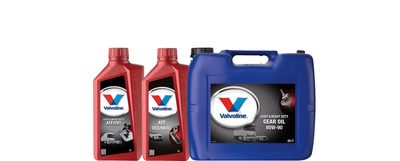
This is precisely why fleet-specific products matter. Formulations such as Valvoline Heavy Duty Transmission Fluid are engineered to endure high thermal stress and deliver robust protection for commercial drivetrains. Matching the right fluid to the vehicle type and operating conditions can extend service intervals and meaningfully reduce the burden of long-term maintenance.
Among the most persistent myths in vehicle maintenance is the idea that transmission fluid is "lifetime" — that it requires no attention unless a problem becomes apparent. For commercial vehicles, this thinking is particularly dangerous. "Lifetime" typically refers to the expected use period of a single owner, not the mechanical lifespan of the transmission itself. Fleet vehicles are routinely operated at demands that far exceed what an average private motorist would ever place on them.
Equally misleading is the belief that all transmission fluids are interchangeable. In practice, automatic, manual, CVT, and dual-clutch gearboxes each require distinct fluid formulations. Introducing the wrong type can degrade friction materials, compromise shift quality, or cause internal damage. The transmission is one system where one-size-fits-all thinking has real consequences.
The reassuring reality is that protecting your fleet's transmissions does not have to be complicated. A handful of consistent habits can make a substantial difference:
Valvoline's fleet solutions team can assist in identifying the correct fluids for your vehicles and building proactive maintenance schedules suited to your specific operation. The right lubricant strategy delivers measurable improvements to both uptime and overall running costs.
Transmission systems are easily overlooked — right up until they fail. Yet that failure is almost never sudden. It is typically the end result of neglected fluid, missed intervals, and the quiet assumption that everything will hold together a little longer. In commercial operations, that assumption can run to thousands of pounds per vehicle. So the next time you open the bonnet, go beyond the engine oil. Check the transmission fluid as well. Your vehicles — and your balance sheet — will be better for it.