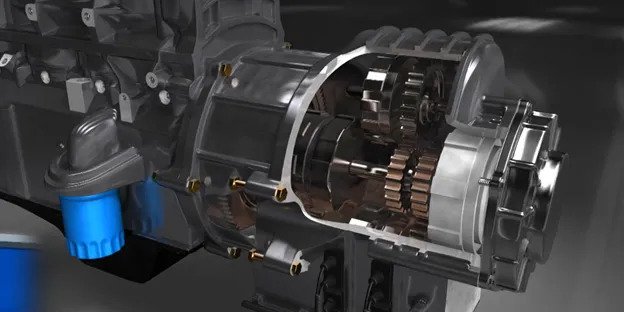
After the combustion engine produces power, the transmission system is responsible for delivering that power to the wheels.
Delivering that power demands constant friction among the transmission system's moving metal components. This friction gradually wears down parts and leads to costly repairs — which is precisely why transmission oil is so important.
Several factors influence which transmission fluid is right for your vehicle, including the car's manufacturer and the type of transmission it uses. Here is what you should understand before making a choice.
Transmission oil — also called transmission fluid — provides lubrication to the metal parts and bearings within your vehicle's transmission. This lubrication allows components to work together smoothly while keeping them protected during operation. Most critically, it shields the gear system from the dangers of overheating.
Vehicle transmissions fall into two categories: manual and automatic. Each category calls for its own specific type of fluid.
To better understand your options, here is a breakdown of the key differences between manual and automatic transmission oils:
Manual transmission oil has been around since the earliest vehicles were developed. These fluids are primarily found in use on older car models today.
For adequate system protection, manual transmission fluid must contain high-quality anti-wear and load-carrying additives.
Manual transmission oil is considerably thicker compared to automatic transmission fluid. For this reason, it should never be used in vehicles equipped with automatic transmissions. It is worth noting that even some newer manual transmission vehicles now call for automatic fluid instead.
Manual transmission oils typically range in color from brown to amber and carry a notably stronger odor. Always consult the manufacturer's manual before buying.
Automatic transmission oils are central to the lubrication of automatic transmissions and power steering systems. They additionally function as torque converters within the drivetrain.
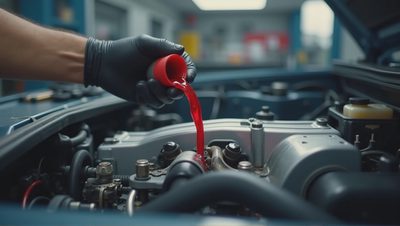
Automatic transmission fluids are thinner than manual fluids and are generally red in color, though the exact shade can differ by manufacturer.
This color-coding system allows users to quickly distinguish transmission oils from engine oil and other vehicle fluids. The translucent red hue also makes it simpler to spot contaminants and detect transmission fluid leaks.
A transmission system is made up of a clutch, a gearbox, a propeller shaft, a differential, and a live axle. The constant metal-on-metal contact between these components creates wear that must be managed.
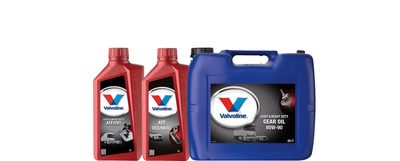
To preserve the performance of your vehicle's transmission system, proper lubrication with the right oil is essential. Valvoline offers an extensive lineup of lubricants designed for various car transmission types and components, including:
Automatic transmission fluids serve a broad range of applications. Beyond passenger car transmission oils, you can also find variants engineered for agriculture, construction, heavy-duty, and hydrostatic transmission systems.
One example is Valvoline UNITRAC oil, which is formulated to lubricate hydraulic systems, hydrostatic drives, transmission systems, wet brake systems, and PTOs.
Engine oil and transmission oil are distinctly different products. Here is why substituting motor oil in your transmission is not advisable.
As their names alone suggest, these fluids are each engineered to perform within entirely different operating environments.
Engine oil is a fundamental component of the internal combustion engine. Its primary function is reducing friction between the engine's moving parts. Beyond basic lubrication, it also improves sealing, prevents corrosion, and inhibits sludge formation.
Transmission oil, by contrast, is designed specifically to lubricate transmission components. It handles the lubrication of moving parts, keeps the transmission cool, and supports the performance of hydraulic systems — while also offering anti-corrosion protection and improved sealing.
The detergent compounds in engine oil carry combustion byproducts that can degrade over time, accelerating wear within the gear system. Using motor oil in a transmission can also cause inadequate lubrication, overheating, and potentially permanent transmission damage.
Like all lubricants, transmission oils are composed of base oil and a package of additives. These additives boost the fluid's effectiveness and deliver the highest level of protection for the transmission system. Several key characteristics deserve consideration when evaluating your options:
The components inside a car's transmission system are subjected to extreme temperatures and relentless friction. Selecting high-quality transmission fluids is necessary to reduce wear risk and maintain efficient power transmission.
Valvoline stands as a leading producer of passenger car transmission fluids. Their advanced additive technology protects critical system components against corrosion, foaming, and deposit buildup.
If you are unsure which Valvoline lubricant suits your vehicle's transmission, review their full product specifications or reach out to your nearest Valvoline distributor for personalized guidance!