Any seasoned car owner will confirm that routine maintenance is non-negotiable. Beyond extending your vehicle's lifespan, it can dramatically reduce what you spend on repairs down the road.
Among the many components requiring periodic attention, transmission fluid stands out as particularly important. Depending on which model you drive, automatic transmission fluid typically needs changing somewhere between 30,000 and 100,000 miles, though certain situations call for more frequent replacement. For those interested in handling this themselves and keeping some money in their pocket, the following guide walks you through how to check and replace transmission fluid on your own — provided you're confident you can do so safely.
Much like engine oil demands regular checks and changes, transmission fluid requires the same level of attention. It's simply another item on your standard vehicle maintenance checklist.
Fortunately, the procedure is fairly straightforward. Begin by locating the transmission dipstick — your owner's manual or a relevant YouTube video can help here. Pull it out and wipe it down thoroughly with a paper towel or lint-free rag. Reinsert it fully into the dipstick tube, then pull it out again to get an accurate fluid level reading. If your vehicle lacks a transmission dipstick, consult the owner's manual directly. One critical distinction from checking engine oil: transmission fluid must be checked while the engine is running. Keep the vehicle in neutral or park and engage the parking brake before proceeding. Should the fluid fall below the dipstick's minimum line, a full fluid replacement is in order. Examine the fluid's condition as well — it should appear clear with a pinkish tint. If it doesn't meet that standard, skip topping it off entirely and replace it completely.
Before anything else, make sure the vehicle is in park. Raise it using a jack stand or a lift. If this step feels beyond your comfort level or you have any doubts about doing it safely, take the car to a repair shop without hesitation. Otherwise, lay tarp and position a catch pan beneath the transmission to collect the draining automatic transmission fluid. This job can get messy, so gloves and safety goggles are strongly recommended.
Now, remove the bolts from one end of the transmission oil pan, taking care to avoid burning yourself. Gradually loosen the bolts on the opposite end of the pan. As the pan begins to tilt, transmission fluid will flow into the catch pan. Once most of the fluid has drained out, remove the remaining bolts completely and empty the last of the fluid into the catch pan.
Apply a cleaning solvent to the oil pan and gasket housing, then inspect both carefully for any signs of damage — metal shavings in the pan or erosion on the gasket are red flags. Unscrew the bolt securing the old filter and remove it from the transmission. Wipe away any residue from the transmission body before installing the new filter in place of the old one.
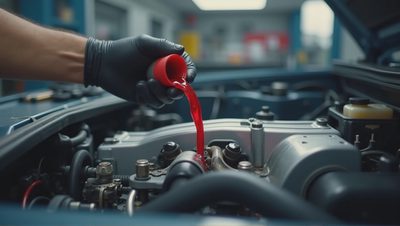
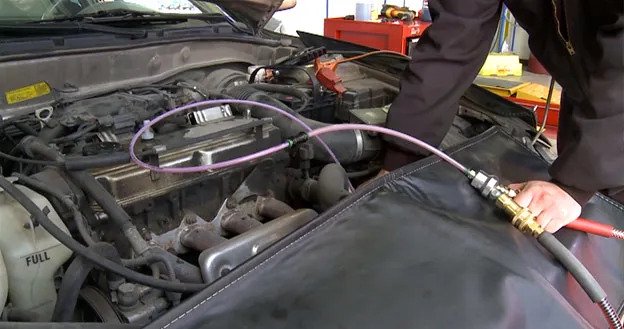
Secure the new gasket to the transmission pan using oil-soluble grease as the sealer — adhesive should not be used here. Position the oil pan fitted with the new gasket back against the transmission and hand-tighten all bolts to hold it in place initially. Follow up by torquing all bolts in a crisscross pattern until fully secure. With the bolts tightened, lower the vehicle and pour new transmission fluid into the dipstick tube using a funnel. Start the engine and allow it to warm up fully. Recheck the automatic transmission fluid level with the dipstick and add more if the level is insufficient. Once the level is correct, shut the engine off and inspect the transmission pan for any signs of leakage.
Replacing manual transmission fluid follows an even simpler process. Safely jack up the car and set a catch pan under the transmission. Locate the fill plug on the upper portion of the pan and begin loosening it — fluid will start escaping from this opening once the plug is loose, so make sure you're not positioned directly beneath it. After all the fluid has drained, install a new washer with the fill plug and use an oil pump to refill the fluid. Replace the filter bolt as well and tighten it with a torque wrench. Unlike automatic transmissions, manual transmissions do not require removal of the entire pan and gasket.
As this guide demonstrates, checking and replacing transmission fluid is a manageable task. The key is always following your owner's manual for the correct fluid type, filter specifications, and service intervals. That said, if you remain uncertain about tackling this yourself, a visit to your local shop is always the right call.