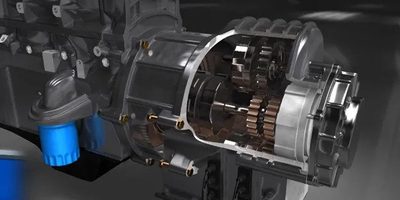
Your car's transmission — commonly referred to as the gearbox — ranks among the most critical components in the entire vehicle. As a sophisticated mechanical assembly, its job is to transfer engine power directly to the wheels. It should come as no surprise, then, that both manual and automatic transmissions are prone to gradual wear and tear over time.
Because transmission repairs and replacements tend to be both technically involved and costly, catching unusual behavior or performance irregularities at an early stage is absolutely essential.
What drives transmission damage in the first place, and how can you identify the warning signs? Is it actually possible to avoid a full transmission breakdown?
This concise guide has the answers you need.
Transmission damage stems from a wide range of sources — everything from overheating to using an incompatible transmission fluid. To make matters worse, pinpointing the root cause can prove difficult, as the symptoms presenting themselves often differ from case to case.
Below are the most recognizable indicators of transmission trouble:
When you shift from park to drive, the vehicle should engage a gear immediately. Any noticeable hesitation in that response may point to an underlying transmission performance issue.
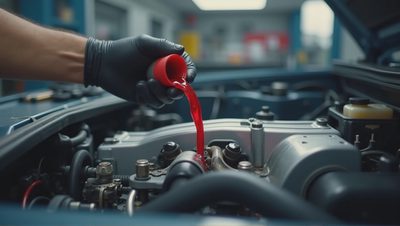
If your car is having difficulty engaging the correct gear, start by checking your transmission fluid level. Should the reservoir be adequately filled, consider whether the correct fluid type was used — using the wrong transmission fluid can prevent the vehicle from shifting into gear properly.
If checking fluid level and type does not resolve the issue, bring the vehicle to a qualified mechanic.
Fluid leaks rank among the leading culprits behind transmission failure, and they can develop in both manual and automatic systems alike.
What causes transmission fluid to leak? The list of potential reasons includes gaps or cracks in the transmission housing, excessive component wear, overheating, or the accumulation of road contaminants within the system.
A leaking transmission is not something to dismiss. Left unaddressed, even a minor leak can progressively worsen and result in serious transmission damage. Regardless of how small the puddle on your driveway appears, reach out to a technician the moment you spot it.
A burning odor is frequently accompanied by visible smoke or signs of melting wiring. These conditions typically result from overheating or from the transmission fluid itself burning up.
Transmission fluid serves a dual purpose: it keeps internal components properly lubricated and maintains operating temperatures at safe levels. When the fluid degrades or burns off, the system runs excessively hot, accelerating friction, triggering corrosion, and promoting sludge buildup throughout.
It is worth emphasizing that a burning smell can indicate severe transmission damage with potentially life-threatening consequences. Do not wait — consult your mechanic immediately upon noticing any of the symptoms described here.
The check engine light is a dashboard warning that activates when onboard sensors detect something abnormal. Your vehicle is equipped with sensors throughout many engine-related systems, including the transmission. These sensors are sensitive enough to register minor irregularities and slight vibrations that may be completely imperceptible to the driver.
Because the check engine light can illuminate for numerous different reasons, it should never be dismissed or ignored.
Drivers with manual transmissions may notice a grinding sound when moving into a new gear. Automatic transmissions behave differently under similar stress — rather than producing noise, they tend to hesitate or shudder when attempting to shift to the next gear.
Several well-established approaches exist for reducing the risk of transmission damage. A few worth highlighting:
Throughout the power transmission process, the metal components inside the gearbox are in constant motion against one another, generating continuous friction. This ongoing contact causes wear and tear that, over time, commonly results in expensive repair bills.
Investing in a premium-quality transmission fluid is one of the most effective ways to protect your transmission from deterioration. Quality fluid reduces friction, keeps transmission components properly lubricated, and helps regulate system temperature.
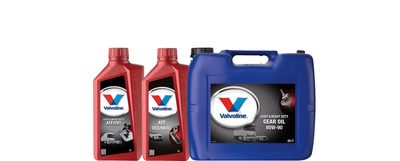
These products are generally low-viscosity fluids engineered to flow freely and coat diverse transmission parts. Among the defining characteristics of a high-quality transmission oil are viscosity stability, heat resistance, and detergency. Browse Valvoline's extensive lineup of high-performance gear and transmission oils to find the right fit.
For further guidance on selecting the appropriate transmission oil, refer to our Guide to Choosing Transmission Oil or use our Lubricant Advisor tool.
No single method guarantees complete immunity from transmission problems. However, identifying issues early and having your vehicle inspected by qualified professionals can go a long way toward preventing minor concerns from becoming major ones.
We hope this guide proves useful.