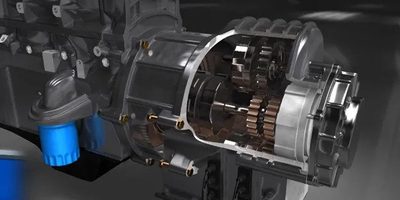
Variable-speed systems operate nothing like their fixed-ratio counterparts — there is no consistent rhythm to their demands. Abrupt torque spikes, continuously shifting loads, and broad temperature fluctuations are all part of normal operation. Under these conditions, a standard lubricant will reach its limits rapidly. The oil must sustain its film strength under pressure, shield fragile synchronisers from damage, and still deliver smooth, hesitation-free gear changes.
Did you know? A minor reduction in oil film thickness alone can cause wear rates inside a gearbox to double. This is precisely why lubricants engineered for variable-speed applications place such strong emphasis on stress-stability rather than simply satisfying a minimum viscosity requirement.
The gearbox or vehicle manufacturer's handbook should always be your first reference point. Recommendations typically specify:
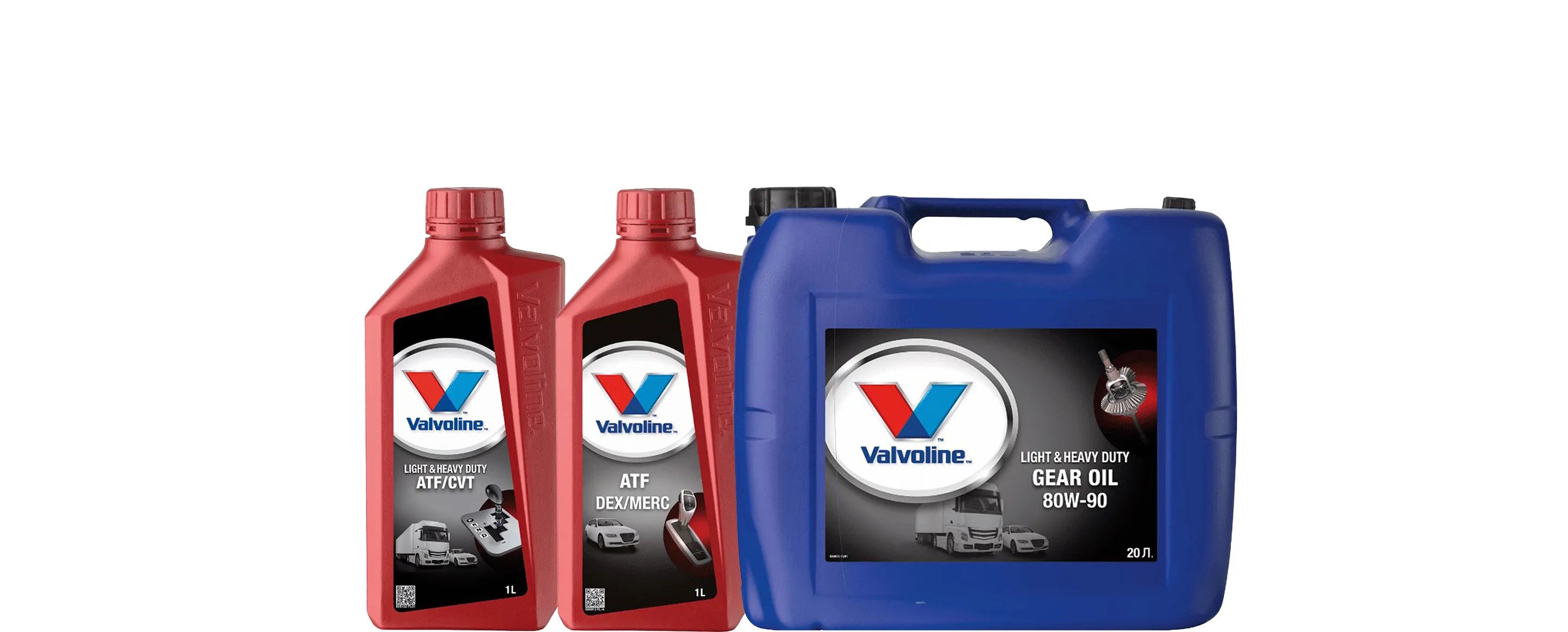
Valvoline Global produces fluids that satisfy many widely used OEM standards. In fact, Valvoline meets or exceeds the high-load specifications set by numerous manufacturers. Where a handbook calls for a high-viscosity, high-load fluid, this product can be an excellent fit.
Viscosity — the oil's inherent resistance to flow — has a direct and significant impact on gearbox protection. When temperatures are low and the oil is too thick, circulation slows and the lubricant struggles to reach all moving components quickly. Cold starts become sluggish, and the initial gear changes of the day feel rough. In serious cases, certain gearbox components may briefly run without adequate lubrication, and this is precisely when accelerated wear takes hold.
The reverse situation arises at elevated operating temperatures. An oil that thins out excessively will lose its protective film, leaving gears vulnerable under load.
Variable-speed gearboxes operating in heavy-duty or high-cycle applications place considerable strain on lubricants. Additives are essential in defending the gearbox against:
Certain operating environments introduce further complications:
Even a premium oil deteriorates with use. Preserving gearbox service life depends on:
Valvoline provides technical support and fluid analysis programmes across its Global network. Fleet managers and workshop supervisors can draw on these resources to establish the most appropriate maintenance intervals for their particular duty profiles.
Two illustrative scenarios are worth considering:
Clear identification of gearbox oil types is valuable for mechanics and fleet personnel alike. Where practical:
Valvoline's technical bulletins and training materials — available through local representatives — can assist in building this knowledge.
For mechanics and fleet managers, selecting the right oil demands more than reading the label. Viscosity, additive composition, and real-world operating conditions all need to be weighed together. When the correct oil is in service, gearboxes run more smoothly for longer periods, unplanned downtime decreases, and the frequency of costly rebuilds is significantly reduced.