A neglected continuously variable transmission can turn a routine maintenance item into a repair bill that reaches several thousand dollars. Learning the correct CVT fluid change interval helps protect the pulleys, belt or chain, bearings, and hydraulic controls inside this specialized transmission. Let's start with the basics and build from there.
CVT stands for continuously variable transmission. Unlike a traditional automatic with fixed gears, a CVT changes its ratio through two adjustable pulleys connected by a high-strength belt or chain. The transmission fluid does more than lubricate parts. It also helps create hydraulic pressure, cools components, and provides the friction characteristics needed for the belt and pulleys to work together.
Why the correct CVT fluid matters
CVT fluid is not simply generic automatic transmission fluid with a different label. Its additive package is designed for the sliding contact between the pulleys and belt or chain. Using the wrong product can cause shuddering, slipping, abnormal noise, or accelerated wear. A bottle labeled CVTF, Nissan NS-3, Toyota FE, Honda HCF-2, or Subaru High Torque CVTF may be correct for one application and unsuitable for another.
The owner’s manual is the starting point because automakers specify both fluid type and service conditions. Some manufacturers use a drain-and-fill procedure, while others require a particular fluid temperature, level-check method, or scan-tool reading. A transmission that is slightly overfilled can also behave poorly, so this is not a good place to guess.
A useful CVT fluid change interval is often between 30,000 and 60,000 miles, but that range is only a starting point. Some vehicles have a longer schedule under normal driving, while severe use can justify earlier service. Severe use can include frequent stop-and-go traffic, towing, mountain driving, very hot weather, extended idling, or repeated short trips where the vehicle never fully warms up.
Quick Quiz: What is the main reason CVT fluid must match the vehicle specification? The answer is that the fluid controls both lubrication and the friction behavior between the pulleys and belt or chain.

How to find your vehicle’s service schedule
First, identify the exact year, make, model, engine, and transmission. A 2018 Nissan Rogue, for example, does not necessarily share every service detail with a different Nissan model from the same year. Write down the vehicle identification number, or VIN, if you contact a dealer or parts counter. The VIN can help confirm the transmission and fluid specification.
Next, read the maintenance schedule rather than relying on a generic internet chart. Look for terms such as continuously variable transmission fluid, CVT fluid, transmission fluid, or severe-service maintenance. Some manuals list a replacement mileage; others instruct owners to inspect fluid condition or use a maintenance reminder system.
If the manual is unclear, call a dealership or reputable independent transmission shop and ask three focused questions: What fluid specification does this VIN require? Is the service a drain and fill or a more extensive exchange? What temperature and level-check procedure does the transmission use? A clear answer is more valuable than a low advertised price.
The best CVT fluid change interval is the one supported by your manual and actual driving conditions. Keeping service records with the date, mileage, fluid brand, and quantity used makes future maintenance easier and protects warranty documentation.
Drain and fill versus fluid exchange
A drain and fill removes the fluid that comes out of the transmission pan or drain plug, then replaces it with the specified amount. Because some old fluid remains in the transmission cooler and internal passages, one service may not replace every ounce. This method is common and generally straightforward when performed correctly.
A fluid exchange attempts to replace more of the old fluid, usually through specialized equipment. It is not automatically better for every CVT. The shop must follow the automaker’s procedure and avoid using a universal machine setting that ignores the transmission’s design. Ask whether the technician will use the correct CVT fluid and whether the service includes a level check at the required temperature.
A typical drain-and-fill appointment may cost about $150 to $300 at an independent shop and more at a dealership, depending on fluid capacity, access, and regional labor rates. A larger exchange or service involving a filter, pan cleaning, or gasket can cost more. Price matters, but the fluid specification and procedure matter more.
Do not confuse a fluid change with a transmission flush using high pressure. Some vehicles tolerate exchange equipment, while others are better served by the manufacturer’s drain-and-fill method. When in doubt, follow the service information for that specific transmission.
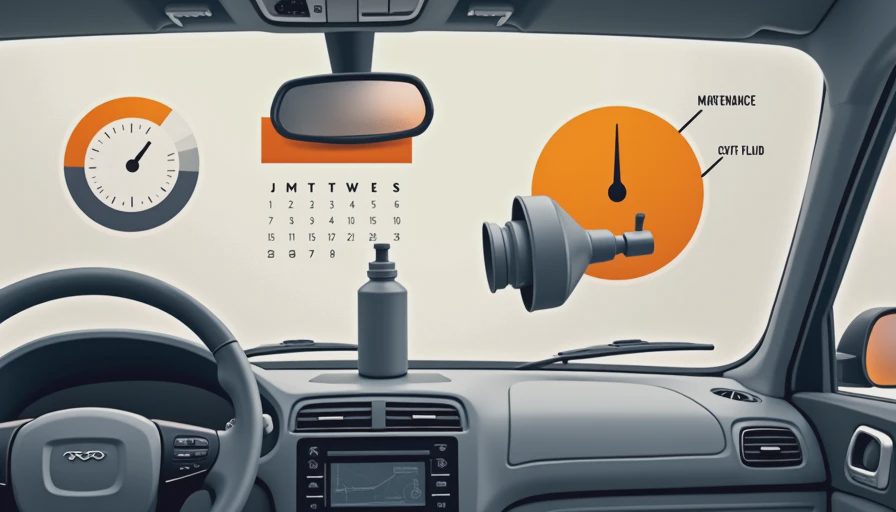
System Diagram reference: Picture the CVT as two cones facing each other at each end of a metal belt or chain. As the cones move closer or farther apart, the belt rides at a different diameter. Fluid pressure moves the cones, which explains why fluid condition and level are central to operation.
Warning signs that service should not wait
A CVT that needs attention may produce a delayed response when accelerating, a shudder at low speed, whining that rises with vehicle speed, or engine revving that does not produce expected acceleration. A burnt smell, visible leak, warning light, or fluid level below specification also deserves prompt diagnosis.
These symptoms do not prove that old fluid is the only problem. A worn belt, damaged pulley surface, failing bearing, valve-body issue, software fault, or low fluid level can create similar behavior. Continuing to drive while the transmission slips can turn a manageable diagnosis into extensive internal damage.
Color alone is not a reliable test. Fresh CVT fluid may be clear, amber, blue, or another color depending on the manufacturer. Dark fluid can indicate heat and oxidation, but the correct diagnosis requires checking the service history, level, odor, debris, and operating symptoms together. Never use a universal additive to mask shudder without finding the cause.
A practical maintenance checklist
Before booking service, gather the owner’s manual, current mileage, previous repair invoices, and any dashboard warning messages. Confirm the required fluid specification in writing. Ask the shop whether it will replace a drain-plug washer, inspect for leaks, check the pan or magnet for debris, and verify the final level at the specified temperature.
After service, keep the invoice. It should identify the fluid used and the amount installed. During the next several drives, notice whether acceleration is smooth and whether any new noise, hesitation, or warning light appears. A small leak can lower the level quickly, so look for fresh fluid on the driveway, although CVT fluid color varies by product.
For a high-mileage vehicle with no service records, avoid assuming that one aggressive flush will solve everything. A qualified technician can inspect the fluid and recommend a staged plan. The correct CVT fluid change interval is preventive maintenance; it cannot reverse severe mechanical wear that is already present.
Quick Quiz and final lesson
Quick Quiz: Should you choose a fluid because it says automatic transmission fluid on the bottle? No. Choose the exact CVT specification listed for your vehicle. Second question: Is 60,000 miles always the right service point? No. Driving conditions, manufacturer guidance, and transmission design determine the schedule.
If you remember one concept from this post, make it this one: CVT fluid is a working hydraulic and friction-control material, not just a lubricant. Find the manufacturer’s specification, adjust the CVT fluid change interval for severe driving, and use a technician who follows the correct level-check procedure. Spending roughly $150 to $300 on documented maintenance can be far less painful than diagnosing a neglected transmission after symptoms appear.
No letters yet — be the first to write.