If you've ever felt a spongy brake pedal or noticed your stopping distance creeping up, your brake system might be telling you something. Moisture in the brake fluid lowers its boiling point, leading to brake fade under hard use. The solution? A proper flush using a **brake fluid flush kit**. I'm Kevin Park, and I teach automotive technology at a community college in Atlanta. Let's start with the basics and build from there.
What Is a Brake Fluid Flush Kit?
A **brake fluid flush kit** is a set of tools designed to replace old, contaminated brake fluid with fresh fluid. The kit typically includes a handheld vacuum pump or pressure bleeder, a collection bottle, tubing, and adapters to fit your vehicle's master cylinder reservoir. Some deluxe kits also come with a one-way valve that prevents air from re-entering the system during the process. The goal is to expel all the old fluid—and the water it has absorbed—from every brake line, caliper, and wheel cylinder.
Now, you might be thinking, "Can't I just use a jar and a helper to pump the pedal?" Sure, but a dedicated **brake fluid flush kit** makes the job cleaner, faster, and more reliable. You can do it alone, without a second person, and you avoid the risk of aerating the fluid. These kits range from about $20 for a basic vacuum-style unit to $80 or more for professional pressure bleeder kits.
Why You Need to Flush Brake Fluid
Brake fluid is hygroscopic—it attracts moisture from the air. Over time, water content in the fluid increases, lowering its boiling point dramatically. Fresh DOT 3 fluid boils around 401°F (205°C), but with just 3% water content, that drops to about 284°F (140°C). Under hard braking, like descending a mountain or stopping from highway speed, the fluid can boil, creating vapor bubbles. Because vapor compresses, your brake pedal goes to the floor—a dangerous situation called brake fade.
Corrosion is another issue. Water inside the system attacks metal components—caliper pistons, ABS modulator valves, steel brake lines. Replacing a rusted caliper can cost $150–$300 per corner; a **brake fluid flush kit** costs a fraction of that and prevents this damage. If you remember one concept from this post, make it this one: **Flushing brake fluid every two years is the cheapest insurance for your braking system.**
When to Flush Your Brake Fluid
Most manufacturers recommend a brake fluid flush every 30,000 miles or two to three years, whichever comes first. But there are signs that it's overdue:
- Spongy or soft brake pedal feel
- Longer stopping distances
- Dark, murky fluid in the reservoir (fresh fluid is clear to amber)
- The vehicle has been driven in humid climates or mountain regions
- You've never flushed it (if you just bought a used car, this is a good first step)
If you see any of these symptoms, it's time to grab a **brake fluid flush kit** and get to work. Don't wait until the brake warning light comes on—that usually indicates a fluid level or pad wear issue, not contamination.
How to Use a Brake Fluid Flush Kit: Step by Step
Before you begin, park on a level surface, chock the wheels, and wear safety glasses. Brake fluid is corrosive to paint and skin—clean up spills immediately. Here's the process using a typical vacuum-style **brake fluid flush kit**:
- **Open the master cylinder reservoir** and suck out the old fluid with a turkey baster or syringe. Be careful not to spill on paint.
- **Fill the reservoir with new fluid** to the MAX line. Use the DOT rating specified in your owner's manual (DOT 3, 4, or 5.1). Never mix DOT 5 silicone fluid with glycol-based fluids.
- **Attach the kit's tubing** to the bleeder screw on the wheel farthest from the master cylinder—usually the passenger rear. Loosen the bleeder screw slightly (about 1/4 turn).
- **Pump the vacuum** on the kit to about 15–20 inHg. You'll see old fluid flowing through the tube into the collection bottle. Keep topping up the reservoir to prevent air from entering.
- **Continue until you see clean fluid** coming through. Usually 4–6 ounces per wheel. Tighten the bleeder screw while still applying vacuum to prevent air from sucking back in.
- **Repeat for the other wheels** following the sequence: passenger rear, driver rear, passenger front, driver front.
- **Top off the reservoir** to the correct level. Do a final check: the brake pedal should feel firm. If it sinks slowly, you may have air in the system—bleed again.
System Diagram reference: Bleeder screws are typically a 10mm or 11mm hex. Consult your vehicle's service manual for exact torque.
Choosing the Right Brake Fluid Flush Kit
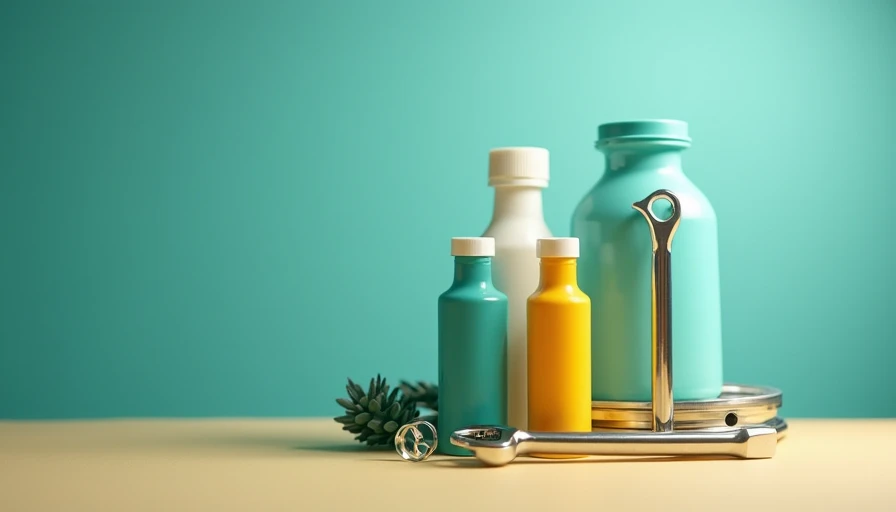
Not all kits are created equal. Here are three popular options based on my students' feedback:
- **Motive Products Power Bleeder** ($70–$90): This is a pressure bleeder that uses compressed air or a hand pump to pressurize the reservoir. It's my top recommendation—consistent flow, no vacuum leaks, and works for one-person bleeding. Great for ABS systems.
- **Pneumatic Vacuum Bleeder (like OEMTOOLS)** ($35–$50): A vacuum gun that connects to an air compressor. Fast and easy for home mechanics with air tools. Some models include a one-way valve.
- **Hand-Held Vacuum Pump Kit (like Performance Tool)** ($20–$30): The most affordable option. Works well for occasional use, but the plastic construction can crack if dropped. Good for a budget **brake fluid flush kit**.
Whichever you choose, make sure it includes the correct adapters for your vehicle's reservoir cap. Many kits come with universal adapters, but some European brands may require additional specialty fittings.
Quick Quiz: Test Your Knowledge
- Why does brake fluid need to be flushed regularly?
a) Because it leaks out over time
b) Because it absorbs moisture which lowers its boiling point
c) Because it evaporates
- What is the first wheel to bleed in the standard sequence?
a) Driver front
b) Passenger rear
c) Passenger front
*(Answers: 1-b, 2-b)*
If you answered both correctly, you're ready to tackle this job. If not, re-read the sections above—I want you to succeed.
Final Thoughts
A **brake fluid flush kit** is a small investment that pays for itself the first time you avoid a brake repair. The process is straightforward, and you don't need advanced mechanical skills—just patience and attention to detail. Most DIYers can complete a flush in under an hour. Compare that to a shop charge of $100–$150 for the same service. You save money, learn a valuable skill, and most importantly, keep your brakes performing at their peak.
Next up in our fluid curriculum: understanding DOT ratings and when to upgrade. Grab your **brake fluid flush kit**, check your owner's manual, and get started. Your car—and your wallet—will thank you.

No letters yet — be the first to write.