Putting the wrong fluid in an automatic transmission can turn a routine service into an expensive repair. Mercon ULV transmission fluid is a Ford specification for certain automatic transmissions, not a universal substitute for other transmission fluids. Use it when your vehicle’s owner’s manual calls for MERCON ULV, and don’t use it merely because the bottle says MERCON. Let’s start with the basics and build from there.
What the fluid does inside a transmission
Automatic transmission fluid, often shortened to ATF, does several jobs at once. It lubricates moving parts, carries heat away, and transfers hydraulic pressure. Hydraulic pressure is force created by fluid under pressure; the transmission uses it to engage internal clutches, which connect and release rotating parts to change gears.
The fluid’s friction characteristics matter, too. Friction is resistance between surfaces moving against each other. Clutches need the right amount of controlled friction to engage smoothly without slipping excessively. A fluid can look clean and still have the wrong properties for the transmission.
ULV means ultra-low viscosity. Viscosity describes a fluid’s resistance to flow: a lower-viscosity fluid flows more easily at a given temperature. Reducing fluid resistance can help reduce energy losses, but viscosity is only one part of the specification. Additives, which are ingredients blended into the base fluid, also help control friction, wear, oxidation, and foaming.
System Diagram reference: Picture the transmission as a loop: a pump moves fluid through control passages, clutches, and cooling components before it returns to the fluid reservoir. The exact layout varies by transmission, but that loop helps explain why the fluid must do more than lubricate gears.
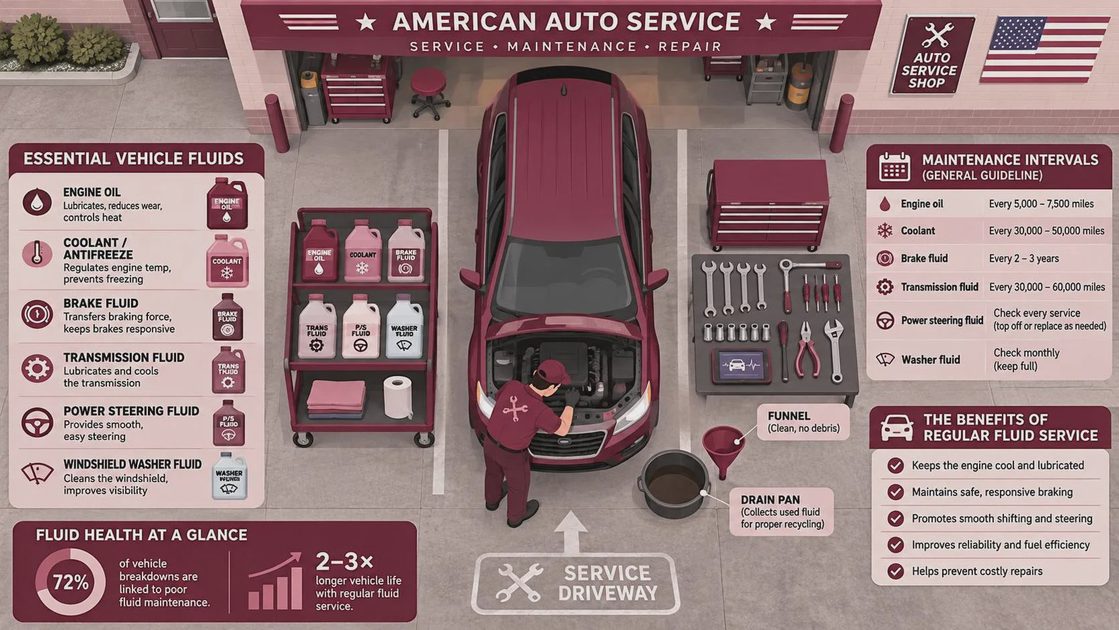
Is Mercon ULV transmission fluid right for your vehicle?
Start with the owner’s manual for your exact model year and powertrain. Look in the capacities and specifications section for the transmission fluid requirement. Some vehicles with the same nameplate have different transmissions, so a recommendation for a neighbor’s vehicle may not apply to yours.
If the manual specifies MERCON ULV, choose a product that clearly meets that specification. Ford sells Motorcraft MERCON ULV; if considering another brand, read its label and manufacturer documentation carefully. A general statement such as “for Ford vehicles” is not enough to establish that the fluid meets the required specification.
MERCON LV and MERCON ULV are different specifications. Do not assume they are interchangeable, and don’t substitute a different MERCON fluid just because you have some left on the shelf. Likewise, a continuously variable transmission, or CVT, uses a different operating arrangement from a conventional stepped automatic and may require its own specified fluid. The manual, not the color or the word “automatic,” decides.
If the manual is missing or its wording is unclear, ask a Ford dealer’s parts or service department to verify the requirement using the vehicle identification number, or VIN. That 17-character identifier helps distinguish the vehicle’s equipment. Confirm the specification before buying fluid or authorizing service.
Checking level and planning a service
There is no single safe level-check procedure for every transmission that uses this fluid. Some transmissions have a dipstick, while others use a level plug and a specified fluid-temperature range. Temperature matters because fluid expands as it warms; checking at the wrong temperature can produce a misleading reading.
Follow the vehicle-specific service procedure for the correct temperature, engine operating condition, gear-selector position, and fill point. If the procedure requires a scan tool to read transmission fluid temperature, use one that can display the necessary reading. A scan tool is an electronic device that communicates with vehicle control modules. Don’t guess the temperature by touching the case.
If access requires raising the vehicle, it must be supported securely and positioned as the procedure requires. Never work under a vehicle supported only by a jack. Hot components and fluid can also burn skin, so a shop is a sensible choice when the equipment or procedure is unfamiliar.
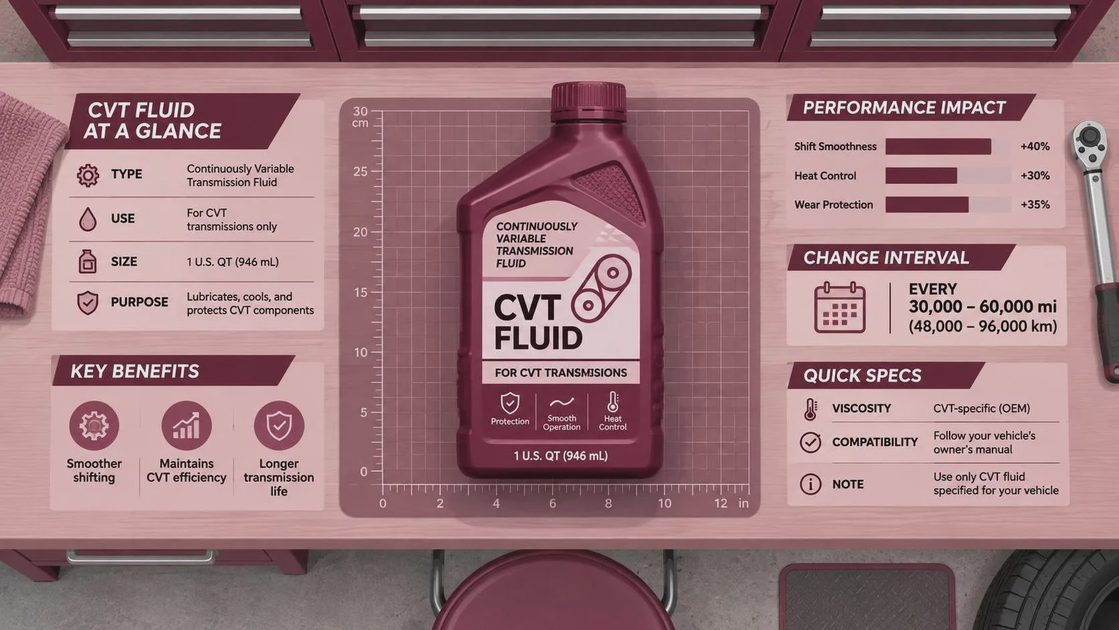
For service timing, use the maintenance schedule for your vehicle and driving conditions. Frequent towing, heavy loads, extensive idling, or other demanding use may place a vehicle under a different schedule. Fluid condition is useful information, but appearance alone cannot establish whether fluid meets its specification or whether the transmission is healthy.
A drain-and-fill replaces only the fluid that comes out through the drain or pan; some remains inside the transmission and associated components. The total system capacity is therefore not automatically the amount needed for a drain-and-fill. Have the correct fluid available, measure what comes out as a reference, and use the specified level-setting procedure rather than treating that measurement as the final answer.
What if the wrong fluid was added?
Stop adding fluid as soon as you notice the mistake. Record the product name, specification, and approximate amount added, then consult a qualified transmission shop or the vehicle manufacturer’s service department before driving. The appropriate response depends on how much was added, what was already in the transmission, and whether the vehicle has been operated.
If the vehicle has already been driven, don’t assume damage has occurred, but don’t ignore the issue either. A technician can determine the appropriate correction. Avoid using an aftermarket additive as a shortcut to make an incorrect fluid meet the specification.
A leak, delayed engagement, slipping, or a new warning message also deserves diagnosis rather than repeated top-offs. Overfilling can cause problems as well, so more fluid is not automatically better.
Quick Quiz: Check your understanding
Question: If a bottle says MERCON LV and your manual calls for MERCON ULV, is the bottle automatically suitable?
Answer: No. They are different specifications. Use fluid that meets the requirement in the manual.
Question: Why can’t you always set the level by measuring the fluid drained out?
Answer: The starting level may have been incorrect, and fluid temperature affects the level. The vehicle-specific procedure establishes the correct level.
If you remember one concept from this post, make it this one: match the exact fluid specification first, then follow the exact level-check procedure for your transmission.
No letters yet — be the first to write.