Putting the wrong fluid into a hydraulic system can turn a small top-off into a costly repair. Pentosin CHF 11S is a synthetic hydraulic fluid used in certain vehicle systems, including some power steering systems. Use it only when your vehicle manufacturer specifies CHF 11S or explicitly approves a fluid that meets its requirements. A green color or a similar-looking reservoir is not enough. Let’s start with the basics and build from there.
What this fluid does
A hydraulic system uses pressurized liquid to transmit force. In hydraulic power steering, a pump moves fluid under pressure to help you turn the wheels. The fluid also lubricates moving components and must flow through passages and valves across a range of temperatures.
Pentosin CHF 11S is formulated for certain central hydraulic systems. Depending on the vehicle, that system may supply power steering, suspension, or other hydraulic functions. That does not mean every vehicle with those features uses this fluid. The manufacturer’s specification, not the component’s general purpose, determines what goes in the reservoir.
The important distinction is between a product name and a fluid specification. A specification is the set of requirements a manufacturer calls for; a product is a particular fluid sold to meet stated requirements. Read the vehicle documentation and the container label together. An explicit match is more useful than a claim that a fluid is suitable for many cars.
System Diagram reference: Picture a loop from the reservoir to the pump, then through steering control components and back to the reservoir. The reservoir stores fluid, while the pump creates flow and the system develops pressure as that flow meets resistance. Your vehicle’s layout may differ, especially if a shared hydraulic system operates more than one component.
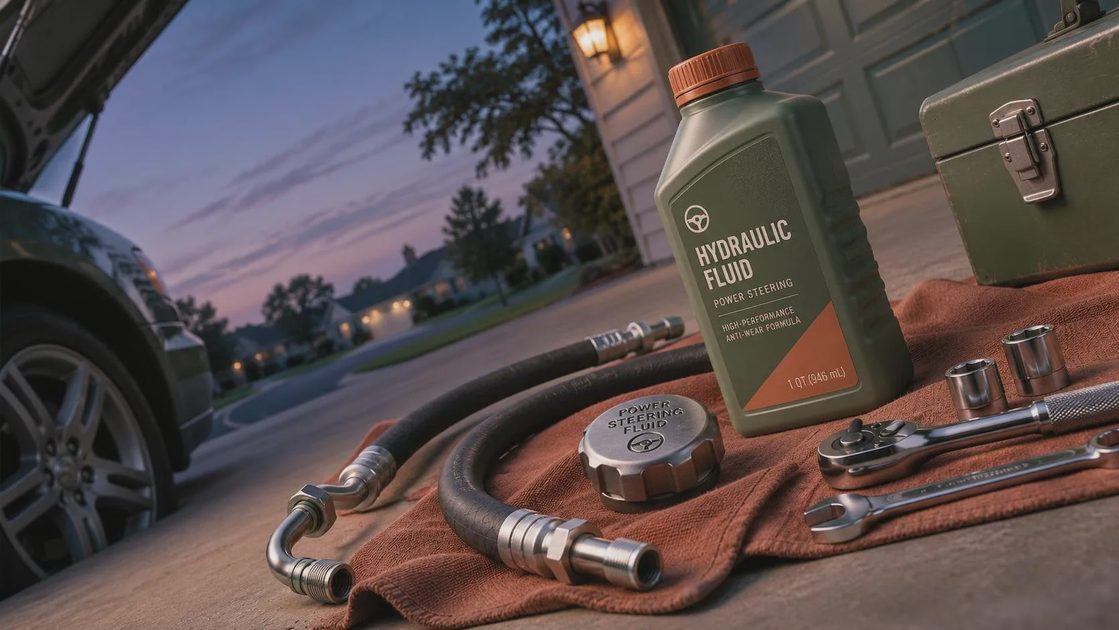
How to check compatibility before adding Pentosin CHF 11S
Start with the owner’s manual and look for the fluid section covering the exact system you are servicing. The reservoir cap or label may also identify the required fluid. Match the wording to the product label, and check for any vehicle-specific approval or part number the manufacturer requires.
If the manual and cap appear to disagree, or the cap may have been replaced, check the manufacturer’s service information using the vehicle identification number, or VIN. A dealer parts department or a qualified independent shop can help interpret it. Don’t use a model-year list from a forum as your only evidence: equipment and specifications can vary within the same model line.
Pentosin CHF 11S is often green, but color is a poor compatibility test. Other fluids can be green, and old or contaminated fluid may change appearance. Likewise, a label that says “power steering fluid” does not automatically make a product appropriate for a system that calls for a particular central hydraulic fluid.
Some vehicles use automatic transmission fluid, often abbreviated ATF, in their power steering systems; others require a different fluid entirely. Do not substitute ATF, a generic power steering fluid, or another CHF product just because it is on the shelf. Use an alternative only when the vehicle manufacturer or the fluid maker explicitly documents compatibility with your vehicle’s requirement.
Checking the level and topping off
First, locate the correct reservoir using the manual. Keep brake fluid, coolant, and windshield washer reservoirs out of the equation: they serve different systems and need different fluids. Clean the area around the hydraulic reservoir cap before opening it so grit cannot fall inside.
Follow the manufacturer’s level-check instructions. Some reservoirs have different markings for fluid temperature, and certain vehicles require a particular engine or suspension condition for an accurate reading. The manual should tell you whether to read a dipstick, a translucent reservoir, or another indicator. Don’t assume a level is low until those conditions are met.
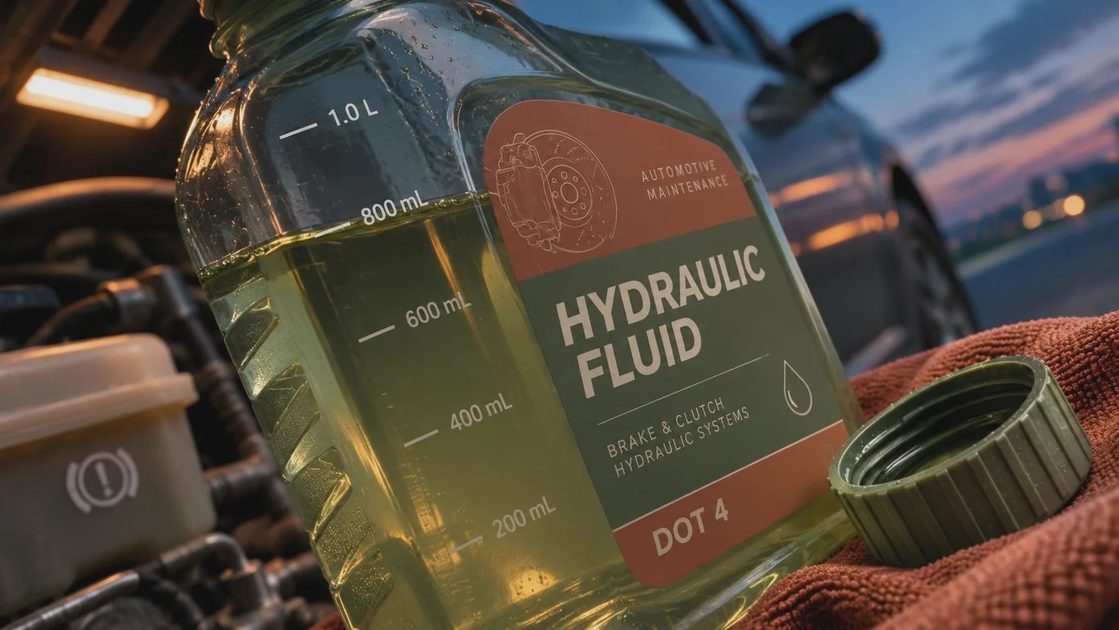
If the level is below the specified range and Pentosin CHF 11S is confirmed for that system, add a small amount at a time with a clean funnel. Recheck as directed and avoid overfilling. Use fluid from a clean, properly sealed container, and close the reservoir securely when finished.
A low level is a symptom worth investigating, not a routine reason to keep adding fluid. Look for damp hoses, connections, or components, and check the ground where the vehicle is parked. Fluid can collect on underbody covers rather than drip straight down, so a dry driveway does not prove there is no leak.
What if the wrong fluid was added?
If you realize the mistake before starting the engine, leave it off. Do not turn the steering wheel unnecessarily, and contact a qualified shop for the manufacturer-approved correction. The goal is to limit circulation of the wrong fluid; the repair may involve removing contaminated fluid and inspecting the system.
If the engine has already run, stop using the vehicle and get advice before driving farther. A shop needs to know what was added, approximately how much, and whether the vehicle was operated afterward. Save the container or photograph its label. Don’t assume that adding the correct fluid on top will undo contamination.
Whining, foaming in the reservoir, unusually heavy steering, or visible leakage also calls for diagnosis. These symptoms can have several causes, including low fluid or air entering the system; they do not by themselves identify a bad pump. If steering assistance is reduced, avoid driving until the vehicle has been assessed.
Storage, disposal, and the takeaway
Keep the container closed and stored according to its label, away from children and pets. Use a dedicated clean funnel rather than one with traces of brake fluid or coolant. Take waste fluid and contaminated materials to a local collection facility that accepts automotive fluids; do not pour them onto the ground or into a drain. Ask the facility about its rules for combining fluids.
If you remember one concept from this post, make it this one: the correct fluid is defined by the vehicle’s requirement, not by the fluid’s color or the shape of the reservoir. Check that requirement before opening the bottle.
Quick Quiz:
A reservoir contains green fluid. Does that prove Pentosin CHF 11S is the right top-off? No. Color alone cannot establish the fluid specification.
The level looks low, but you haven’t checked the required temperature or operating conditions. Should you fill it immediately? No. Follow the vehicle’s checking procedure first; an incorrect reading can lead to overfilling.
You added the wrong fluid and have not started the engine. What comes next? Leave the engine off and ask a qualified shop how to correct the contamination before operating the system.

No letters yet — be the first to write.