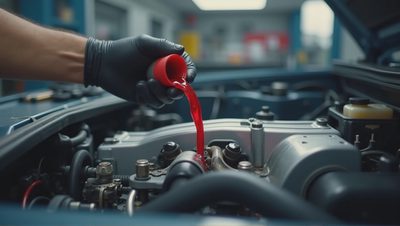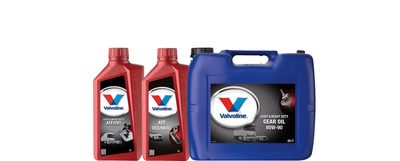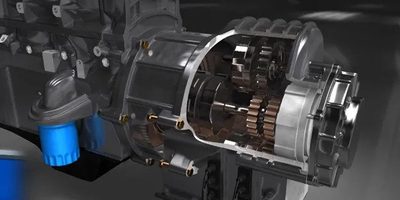
Transmission fluid is essential to your vehicle's proper operation, functioning as both a lubricant and coolant for the internal components of the transmission system. Selecting the correct transmission fluid is critical for smooth performance, whereas an incorrect choice can trigger serious mechanical issues. So what steps should you take if you've accidentally filled your vehicle with the wrong transmission fluid? This article covers the fundamentals of transmission fluids, the potential damage that incorrect fluid can cause, and the actions you should take to address this costly error.
Transmission fluid serves multiple purposes, though its primary function is lubricating the metal parts and bearings housed within the gearbox. As these components move, contact one another, and endure friction, the fluid shields them from premature wear and tear. Automatic transmissions, just like manual ones, also depend on transmission fluid to operate correctly.
This specialized lubricant enables the internal components to perform optimally by supplying the necessary friction and hydraulic pressure. Transmission fluid also keeps temperatures in check across both manual and automatic vehicles. Although gear shifting places significant mechanical stress on a vehicle regardless of transmission type, transmission fluid allows changes to occur smoothly without degrading internal components over time.
It is worth noting that not all vehicles use the same type of transmission fluid — different vehicles have different requirements:
Sometimes referred to as manual transmission lube or oil, this category of fluid is predominantly found in older vehicles that feature manual transmissions. In most situations, automatic vehicles are not compatible with manual transmission fluids. This fluid is distinguishable by its thicker viscosity rating (75W to 140W) and its notably stronger odor. That said, newer manual transmission vehicles may be able to use automatic fluid in their gearboxes.
True to its name, this fluid is formulated specifically for vehicles equipped with automatic transmissions, though a limited number of modern manual vehicles also rely on it. Automatic transmission fluid supports brake and clutch friction, lubricates gears, manages heat, and assists with valve and torque converter operation.
Compared to manual transmission fluids, automatic transmission fluids tend to be thinner in consistency and are typically tinted red or green.
The automotive industry continually produces increasingly sophisticated vehicles, and these technologically advanced machines generally call for continuously variable transmission fluid. Commonly referred to as CVT fluid, this highly specialized formulation is engineered to perform reliably and efficiently in advanced SUVs, trucks, and passenger vehicles.
Using an incompatible transmission fluid in a high-tech vehicle can lead to permanent damage. Regular manual or automatic transmission fluid should never be combined with CVT fluid, nor should the reverse occur. Although a high-tech vehicle may continue running after receiving the wrong fluid, deterioration will follow. What makes this particularly problematic is that the driver may remain unaware that anything is amiss until the damage has already become significant.
Shortly after the wrong transmission fluid enters your vehicle, you may begin experiencing noticeable symptoms while on the road. Unusual noises, overheating, and gear slippage are among the most commonly reported warning signs. These symptoms should not be dismissed, as they will not resolve themselves without intervention.
Failing to catch the use of incorrect transmission fluid early enough can result in lasting consequences. Continued operation with the wrong fluid can accelerate wear and tear on the transmission, compromise overall efficiency, and ultimately lead to expensive repair bills.
The first course of action is to confirm that the wrong transmission fluid was in fact introduced into your vehicle. If you are uncertain, consult your owner's manual or use Valvoline's Lubricant Advisor tool as a reference.
Once the error has been confirmed, there are several immediate steps to take:
The following corrective measures can help resolve the situation:
To prevent accidentally using the wrong transmission fluid in the future, maintain awareness and practice careful due diligence:
The significance of using the proper transmission fluid cannot be emphasized enough. Whether the consequences appear immediately or develop gradually, incorrect transmission fluid can cause serious harm to your vehicle. With timely intervention and adherence to the recommendations outlined above, however, this mistake is both avoidable and correctable. Stay educated, remain attentive, and always protect your vehicle's health by using quality Valvoline transmission oil matched to your specific make and model.